Premium Dental Bridge in Thailand

Dental Bridge in Bangkok

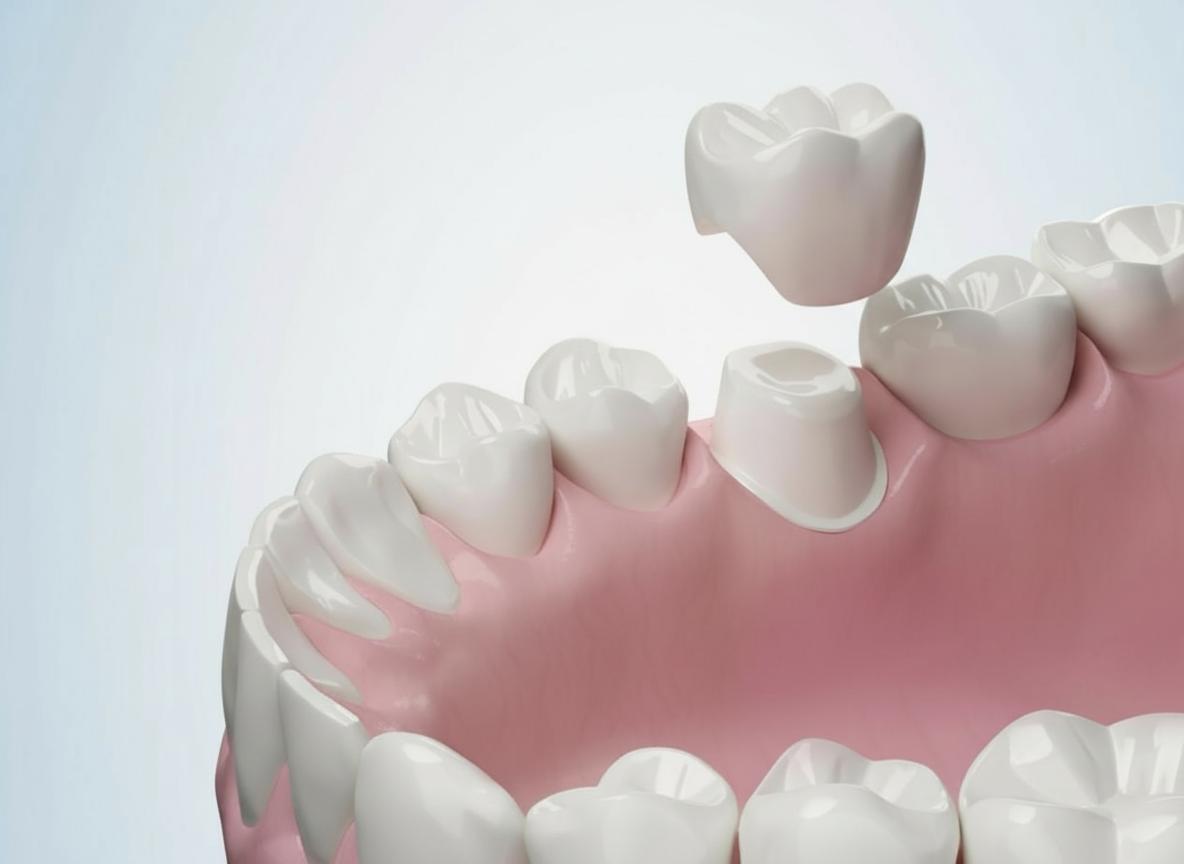
A dental bridge is a fixed restoration that replaces one or more missing teeth by anchoring artificial teeth to your natural teeth or implants on either side of the gap. Our Bangkok dental clinic offers high-quality dental bridges using zirconia, porcelain, and PFM materials to restore your smile, function, and aesthetics.

Key Features:

  • Fixed & Permanent Solution
  • Natural-Looking Results
  • Quick Treatment (2-3 Visits)


Price
: From ฿17,500 per unit

What Are Dental Braces ?

A dental bridge is a custom-made false tooth (called a pontic) that is permanently placed between two healthy teeth to fill in the space left by missing teeth. The bridge is held in place by dental crowns placed over the anchor teeth on each side of the gap.
Unlike dentures which are removable, a dental bridge is a fixed restoration that stays cemented in your mouth. You care for it just like your natural teeth with regular brushing and flossing.

Why Replace Missing Teeth?

Missing Teeth can cause several problems if left untreated:

  • Surrounding teeth shift into the empty space
  • Difficulty chewing and speaking properly
  • Changes to your bite alignment
  • Changes to your bite alignment
  • Bone loss in the jaw
  • Altered facial appearance
  • Increased risk of decay and gum disease in remaining teeth


A dental bridge helps prevent these issues while restoring function and aesthetics to your smile.

Types of Dental Bridges

Our dental clinic in Bangkok offers several types of dental bridges to suit different needs.


1

Traditional Bridges

Traditional dental bridge Bangkok

Traditional bridges are the most common type of bridge. They consist of a pontic (false tooth) held in place by dental crowns cemented onto the natural teeth on either side of the gap.

Best For:

  • One or more missing teeth with healthy teeth on both sides
  • Back teeth (molars and premolars)
  • Patients who want a durable, long-lasting solution

Process:

The anchor teeth are prepared by removing some enamel to accommodate the crowns. Impressions are taken and sent to the dental lab. A temporary bridge protects your prepared teeth while your permanent bridge is fabricated.

2

Cantilever Bridges

Cantilever dental bridge Bangkok

Cantilever bridges are used when there are adjacent teeth on only one side of the missing tooth. The pontic is anchored to one or more teeth on just one side.

Best For:

  • Missing teeth with healthy teeth on only one side
  • Front teeth where chewing forces are lighter
  • Situations where a traditional bridge isn’t possible

Considerations:

Cantilever bridges place more stress on the anchor tooth, so they’re typically used for front teeth rather than molars where chewing and grinding forces are higher.

3

Maryland Bridges (Resin-Bonded Bridges)

Maryland resin-bonded dental bridge Bangkok

A Maryland bridge uses metal or porcelain wings on each side of the pontic that bond to the back of existing teeth. This type requires minimal preparation of the adjacent teeth.

Best For:

  • Front teeth replacement
  • Patients who want to preserve natural tooth structure
  • Younger patients whose teeth are still developing

Considerations:

Maryland bridges are not as strong as traditional bridges and may not be suitable for back teeth or areas with high bite pressure.

4

Implant-Supported Bridges

Implant-supported dental bridge Bangkok

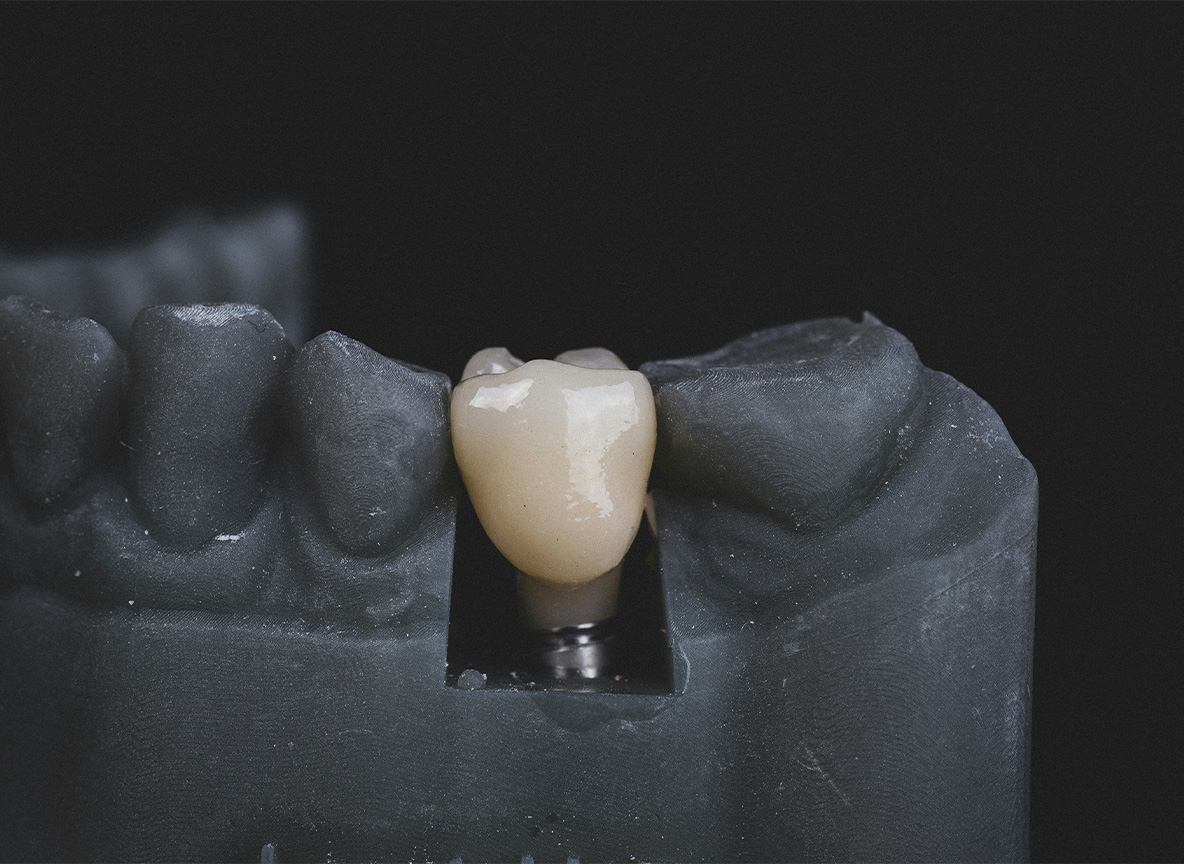
When multiple teeth are missing in a row, dental implants can be used to support a bridge instead of natural teeth. This eliminates the need to prepare healthy teeth as anchors.

Best For:

  • Three or more missing teeth in a row
  • Patients who want to preserve their natural teeth
  • Those seeking maximum stability and longevity

Process:

Dental implants are surgically placed in the jawbone. After healing (3-6 months), a bridge is attached to the implants. This option requires adequate bone density.

Dental Bridge Materials

The material you choose affects the appearance, durability, and cost of your dental bridge.

1

Zirconia Bridges

Zirconia dental bridge Bangkok
Zirconia is a strong, tooth-colored ceramic material that offers excellent aesthetics and durability. Zirconia bridges are metal-free and biocompatible.

Benefits:

  • Superior strength for front and back teeth
  • Natural-looking translucency
  • No metal allergies or sensitivities
  • Long-lasting durability

Pricing:

  • Price: ฿17,500 per unit
2

Porcelain-Fused-to-Metal (PFM) Bridges

PFM porcelain fused to metal dental bridge Bangkok
PFM dental bridges have a metal substructure covered with porcelain. They offer good strength and acceptable aesthetics at a lower cost than all-ceramic options.

Benefits:

  • Strong and durable
  • Good aesthetics (tooth-colored porcelain exterior)
  • More affordable than zirconia
  • Proven track record

Considerations:

The metal substructure may show as a dark line at the gum over time, especially if gums recede.
3

All-Ceramic Bridges (E-Max)

All-ceramic E-Max dental bridge Bangkok
All-ceramic bridges made from materials like E-Max offer the most natural appearance with excellent translucency that mimics real teeth.

Benefits:

  • Best aesthetics, especially for front teeth
  • Metal-free and biocompatible
  • Natural light transmission

Considerations:

May not be as strong as zirconia for back teeth with heavy chewing forces.


The Dental Bridge Procedure


Getting a dental bridge at our Bangkok dental clinic typically requires 2-3 visits over 7-10 days.

 
1

Consultation & Tooth Preparation

Your dentist examines your teeth and gums, takes X-rays, and discusses your options. If you’re a candidate for a bridge, the anchor teeth are prepared by removing a thin layer of enamel to accommodate the crowns. Impressions of your prepared teeth are taken and sent to our dental lab. A temporary bridge is placed to protect your teeth.
2

Bridge Fitting & Adjustments

Once your permanent bridge is ready (usually 5-7 days), you return to have it fitted. Your dentist checks the fit, color, and bite alignment. Adjustments are made as needed to ensure comfort and proper function.
3

Final Cementation (if needed)

In some cases, you may wear the bridge temporarily to test it before final cementation. Once everything is perfect, the bridge is permanently cemented in place. Your dentist checks your bite one final time and provides care instructions.
 

Total Treatment Time: 7-10 days (2-3 visits)


Dental Bridge vs Other Missing Teeth Replacement Options

Feature Dental Bridge Dental Implants Dentures
Fixed/Removable Fixed Fixed Removable
Surgery Required No Yes No
Treatment Time 7-10 days 3-6 months 2-4 weeks
Adjacent Teeth Requires preparation Not affected Not affected
Longevity 10-15 years 15-25+ years 5-10 years
Bone Preservation No Yes No
Cost in Bangkok From ฿17,500/unit From ฿45,000 From ฿3,000

Choose a Dental Bridge If:

  • You want a fixed, non-surgical solution
  • You need quick results (1-2 weeks)
  • The teeth adjacent to the gap are healthy but may benefit from crowns
  • You’re not a candidate for implants

Choose Dental Implants If:

  • You want to preserve your natural teeth
  • You have adequate bone density
  • You’re looking for the longest-lasting solution
  • You’re willing to wait for the healing process

Dental Bridge Cost in Bangkok

Bridge Type Price per Unit
Zirconia Bridge ฿17,500
E-Max Bridge ฿16,000

How Bridge Cost is Calculated:

A dental bridge typically consists of 3 or more units. For example, to replace one missing tooth:

  • 2 crown units (for anchor teeth) + 1 pontic unit = 3 units total
  • Cost: 3 units × ฿17,500 = ฿52,500 for a zirconia bridge

Note: Prices include consultation, tooth preparation, impressions, and final cementation. We provide a 1-year warranty for fractures, with free replacement except in cases of improper use.

Caring For Your Dental Bridge

With good oral hygiene and proper care, your dental bridge can last 10-15 years or longer.

Daily Cleaning

Brush twice daily with a soft-bristled toothbrush. Pay special attention to the area where the bridge meets your gums. Use a floss threader or interdental brush to clean under the pontic where regular floss can’t reach.

Avoid Hard Foods

Don’t chew ice, hard candy, or other hard objects that could damage your bridge. Cut hard foods into smaller pieces and chew with your back teeth.

Regular Check-Ups

Visit your dentist regularly for check-ups and professional cleaning. Your dentist will examine your bridge for any signs of wear or loosening.

Protect Against Grinding

If you grind your teeth at night, wear a night guard to protect your bridge and natural teeth from damage.

Why Choose Bangkok for Dental Braces?

Experiences Restorative Dentists

Our dentists specialize in crowns, bridges, and other restorative dentistry. They have years of experience creating natural-looking bridges that restore both function and aesthetics.

Quality Materials

We use premium zirconia, E-Max, and PFM materials from trusted manufacturers. All bridges are fabricated to ensure a precise fit and long-lasting results.

Quick Turnaround

Most bridges can be completed in 7-10 days with just 2-3 visits, making treatment convenient for dental tourists and local patients alike.

Affordable Dental Care

Dental bridges in Bangkok cost a fraction of Western prices. Save up to 70% compared to USA, UK, or Australia without compromising on quality.

Let our clients reviews do the talking!

Result Client

K. Took

“I recently got porcelain veneers at this clinic, and the results are amazing! The staff was incredibly professional, and the process was smooth from start to finish. I can’t stop smiling!”

Result Client

Mr. Lee

“Getting composite veneers was a big decision for me, but I’m glad I chose this clinic. The results are beyond my expectations, and the care I received was top-notch. Thank you!”

Result Client

Mr. Thomas

“I am so happy with my new smile thanks to the porcelain veneers I received here. The entire team made me feel comfortable and well-informed throughout the procedure. Highly recommend!”

Book your FREE consultation at Dental Veneer Bangkok

Fill out the form and we will call you back to schedule an appointment.

By submitting your details you are agreeing to our privacy policy.
Get in touch with us

FAQs

Frequently Asked Questions

Learn more about how can enjoy a whiter, brighter smile with a visit to Dental Veneer Bangkok!

A dental bridge is a fixed dental restoration that replaces one or more missing teeth. It consists of a false tooth (pontic) anchored to crowns placed on the natural teeth or implants on either side of the gap.

With good oral hygiene and regular dental check-ups, a dental bridge can last 10-15 years or longer. The longevity depends on the material, your oral hygiene habits, and avoiding damage from hard foods or teeth grinding.

The procedure is performed under local anesthesia, so you won’t feel pain during treatment. You may experience some sensitivity for a few days after the anchor teeth are prepared, but this is manageable with over-the-counter pain relievers.
A dental bridge can typically replace 1-3 missing teeth. For larger gaps, implant-supported bridges or multiple bridges may be recommended. Your dentist will advise on the best solution for your situation.
Yes, once your bridge is cemented and you’ve adjusted to it, you can eat most foods normally. Avoid very hard or sticky foods that could damage the bridge. Cut hard foods into smaller pieces and chew carefully.
Use a floss threader, interdental brush, or water flosser to clean under the pontic where regular floss can’t reach. This area can trap food and bacteria, so daily cleaning is essential to prevent decay and gum disease.
A dental crown caps a single damaged tooth. A dental bridge replaces missing teeth by using crowns on adjacent teeth as anchors to hold a false tooth (pontic) in place. Bridges always include multiple connected crowns.
A 3-unit zirconia bridge (to replace one missing tooth) costs approximately ฿52,500 (3 × ฿17,500). This is significantly less than Western countries where similar treatment can cost $3,000-$5,000 or more.
Both are excellent options. Bridges are faster, non-surgical, and more affordable. Implants preserve bone, don’t require preparing adjacent teeth, and last longer. Your dentist can recommend the best option based on your specific situation.
It’s recommended to replace missing back teeth to prevent the surrounding teeth from shifting and to maintain proper chewing function. However, the decision depends on your specific situation—discuss options with your dentist.