
The first question most patients ask about porcelain veneers in Thailand isn’t about the price — it’s about the quality. Can a Bangkok clinic really deliver the same results as a top cosmetic dentist in Sydney, London, or New York?
The short answer: yes. Thai clinics use the same premium ceramic materials — E-max, LiSi-press, and Zirconia — as the best cosmetic dentists worldwide. The difference? You’ll pay $370-$430 per tooth instead of $1,200-$1,600. Same materials, same results, up to 75% less.
This guide goes beyond pricing. We’ll break down the exact materials used, how on-site dental labs affect quality, and show you real before-and-after results from our clinic in Bangkok.
What Makes Porcelain Veneers “High Quality”?
Not all porcelain veneers are created equal. The quality of your veneers depends on three factors:
- The ceramic material — E-max, LiSi-press, and Zirconia each have different strengths. The right choice depends on your teeth and goals
- The dental lab — an on-site lab gives the dentist direct control over color, shape, and fit. Outsourced labs mean delays and less precision
- The cosmetic dentist — veneer placement is an art. Experience with smile design, tooth preparation, and bonding technique matters as much as the material itself
Top clinics in Thailand excel at all three — which is why Thailand has become a leading destination for porcelain veneers.
Porcelain Veneer Materials: E-max vs LiSi-press vs Zirconia

At Dental Veneer Bangkok, we offer three premium ceramic systems. Here’s an honest comparison to help you choose:
| Material | Type | Aesthetics | Strength | Best For |
|---|---|---|---|---|
| E-max | Lithium disilicate | Superior — best light transmission | High | Front teeth — closest to natural enamel |
| LiSi-press | Pressed ceramic | Excellent translucency | High | Front teeth — similar to E-max with great color matching |
| Zirconia | High-strength ceramic | Very good | Maximum | Front and back teeth — strongest option, ideal for grinders |
E-max — The Gold Standard for Aesthetics
E-max (lithium disilicate) is the most popular choice for front-tooth veneers worldwide — and for good reason. Its light transmission properties are closest to natural tooth enamel, creating a lifelike translucency that other materials can’t match. If your primary goal is a natural, luminous smile, E-max is the way to go.
LiSi-press — Precision Through Pressing
LiSi-press is a pressed ceramic that offers excellent translucency and color accuracy. The pressing technique allows for precise control over the veneer’s final shape, making it ideal for complex cases where color matching is critical. Results are comparable to E-max with excellent longevity.
Zirconia — Maximum Durability
Zirconia is the strongest ceramic material available. While it doesn’t transmit light quite as naturally as E-max, modern zirconia has closed the aesthetics gap significantly. It’s the best choice for patients who grind their teeth (bruxism) or need veneers on both front and back teeth.
Which Material Should You Choose?
For most patients getting a smile makeover with porcelain veneers, we recommend E-max for the front 6-8 teeth (maximum aesthetics where it matters most) and Zirconia for premolars if needed (maximum strength where bite force is highest). Your cosmetic dentist will recommend the best option during your consultation.
Are These the Same Materials Used in Western Countries?
Yes — identical. E-max is manufactured by Ivoclar (Liechtenstein), the same company supplying dental labs in New York, London, and Sydney. The raw ceramic blocks are the same. The bonding agents are the same. The only difference is the cost of labor and overhead in Thailand vs Western countries.
This is a critical point many patients miss: the materials are globally sourced and standardized. A Thai dental lab doesn’t use “Thai E-max” — they use the same Ivoclar E-max blocks as your dentist at home. The quality of the final veneer depends on the lab technician’s skill and the dentist’s placement technique, not the country.
The On-Site Lab Advantage
One detail that separates good clinics from great ones: an on-site dental lab. Here’s why it matters for porcelain veneers:
- Direct communication: Your dentist works face-to-face with the lab technician — no miscommunication about shade, shape, or fit
- Same-day adjustments: If the color or shape needs tweaking, it’s done immediately — not sent back to an external lab for days
- Faster turnaround: On-site fabrication means your veneers are ready sooner
- Quality control: The dentist checks the veneers at every stage of fabrication, not just at the final fitting
At Dental Veneer Bangkok, our on-site lab fabricates every porcelain veneer in-house. This gives us full control over quality from impression to final bonding — a level of oversight that many clinics, even in Western countries, can’t offer when they outsource to external labs.
Real Before & After Results
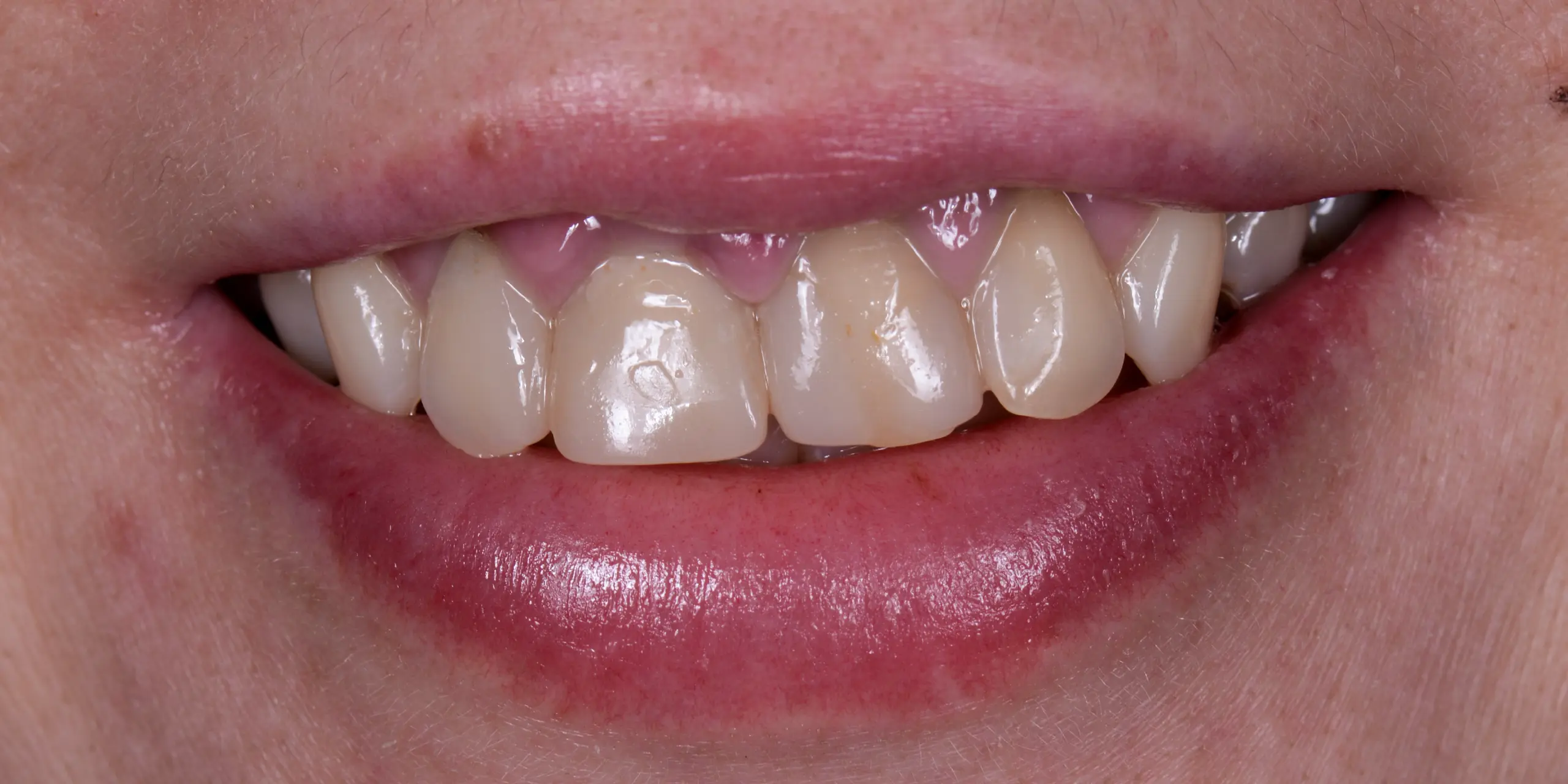
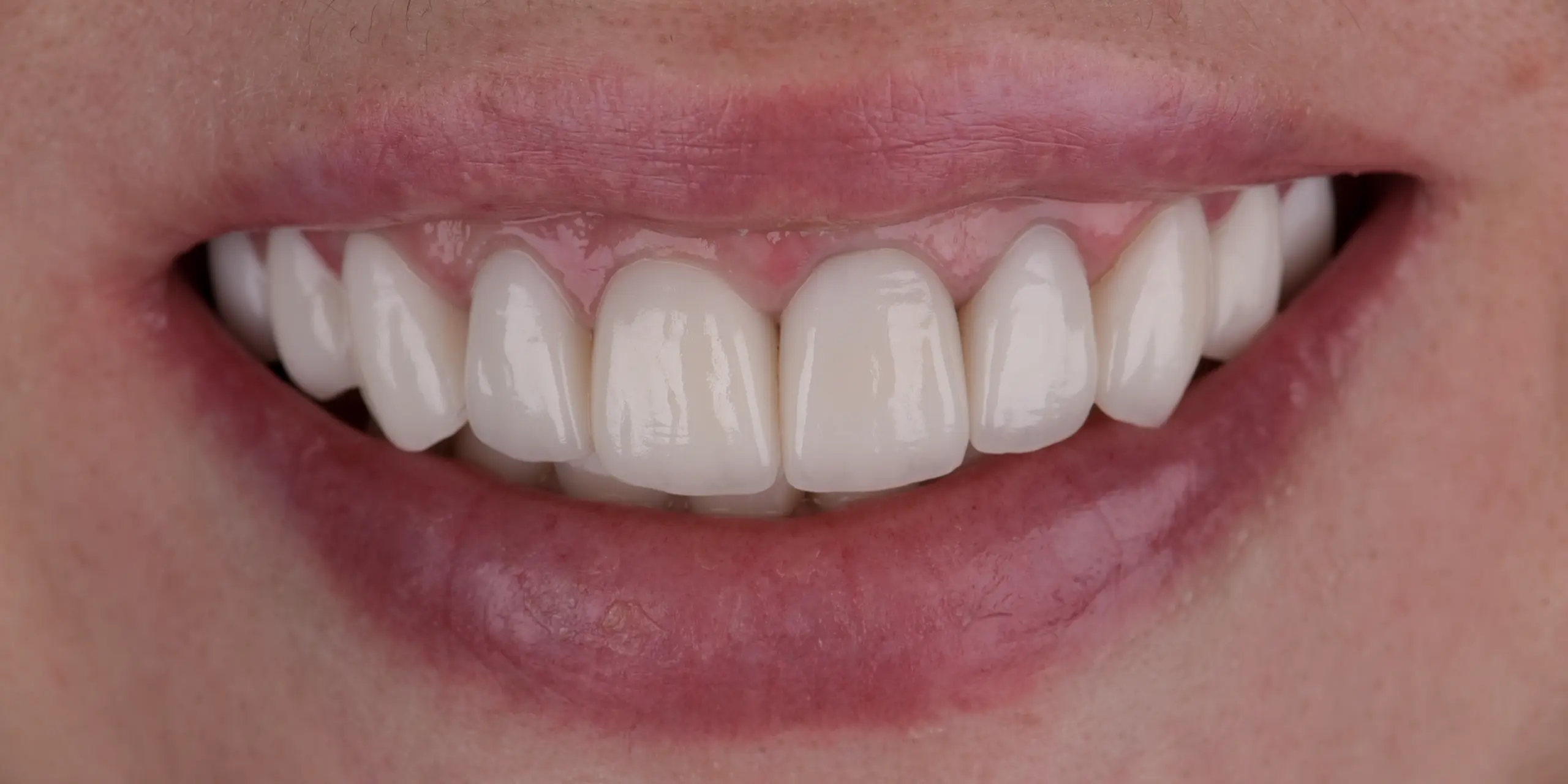
Here are real results from patients who got porcelain veneers at our Bangkok clinic:
See more results on our veneers before & after gallery.
Porcelain Veneers Cost in Thailand
Here’s exactly what porcelain veneers cost in Thailand compared to Western countries:
| Treatment | Thailand | USA | UK | Australia |
|---|---|---|---|---|
| Per tooth | $370 – $430 | $1,600 | $1,400 | $1,200 |
| Smile makeover (8-10 teeth) | ~$4,300 | $12,800 – $16,000 | $11,200 – $14,000 | $9,600 – $12,000 |
The Real Cost Per Year
When you factor in durability, porcelain veneers are actually the most cost-effective option long-term:
| Veneer Type | Cost (Thailand) | Lifespan | Cost Per Year | Replacements in 20 Years |
|---|---|---|---|---|
| Composite | $120/tooth | 5-7 years | $17-$24/year | 3-4 sets |
| Porcelain | $370-$430/tooth | 10-15+ years | $25-$43/year | 1-2 sets |
While porcelain costs more upfront, you replace them half as often. Factor in the trips, time off work, and hassle of replacement — and porcelain veneers are the smarter long-term investment.
For a detailed breakdown of all veneer pricing, see our complete veneers cost guide.
Treatment Timeline: What to Expect
Getting porcelain veneers in Thailand takes 10-12 days across 2-3 visits:
- Day 1: Consultation, digital smile design (preview your new smile), tooth preparation, impressions, temporary veneers placed
- Days 2-9: Our on-site lab fabricates your custom porcelain veneers. You enjoy Bangkok — temples, shopping, Thai massage, rooftop bars
- Day 10-12: Final fitting — shade verification, bonding, bite adjustments. You leave with your permanent new smile
Short on time? We can complete porcelain veneers in as few as 2 visits if your schedule is tight. Discuss your timeline during your free consultation.
How to Know If Porcelain Veneers Are Right for You
Porcelain veneers are ideal if you want to correct:
- Discolored teeth that don’t respond to whitening
- Chipped or worn teeth
- Minor gaps between teeth
- Slightly crooked or uneven teeth (without braces)
- Small or short teeth that need reshaping
Porcelain veneers may not be the best option if you have severe misalignment (consider clear aligners first), active gum disease, or significant tooth decay that needs treatment before cosmetic work.
Thailand vs Other Countries for Porcelain Veneers
How does Thailand compare to other popular dental tourism destinations for veneers?
| Factor | Thailand | Turkey | Mexico | Hungary |
|---|---|---|---|---|
| Cost per tooth | $370 – $430 | $200 – $350 | $350 – $500 | $300 – $450 |
| Materials | E-max, LiSi-press, Zirconia | Varies — often unspecified | Varies | E-max, Zirconia |
| On-site lab | Common | Some | Rare | Some |
| Transparency on brands | High | Often vague | Moderate | High |
| Tourism experience | Excellent | Good | Good | Good |
Turkey may offer lower base prices, but many Turkish clinics don’t disclose which ceramic brands they use — a red flag for quality. Thailand combines competitive pricing with full transparency on materials and brands.
Conclusion
Porcelain veneers in Thailand deliver the same quality as any top cosmetic dental clinic in the world — at up to 75% less. With premium materials like E-max, LiSi-press, and Zirconia, on-site dental labs for precision fabrication, and experienced cosmetic dentists, Bangkok has earned its reputation as a leading destination for smile makeovers.
The key is choosing the right clinic: look for transparent pricing, named ceramic brands, an on-site lab, and real before-and-after results. Don’t settle for vague promises — demand specifics.
Ready to see what porcelain veneers can do for your smile? Contact Dental Veneer Bangkok for a free consultation. Send us photos and we’ll show you what’s possible.
See what your new smile could look like. Send us photos of your teeth and receive a personalized smile design preview and quote within 24 hours — no commitment required.
Frequently Asked Questions
What materials are used for porcelain veneers in Thailand?
Top Thai clinics use E-max (lithium disilicate by Ivoclar), LiSi-press (pressed ceramic), and Zirconia (high-strength ceramic). These are the same globally standardized materials used by cosmetic dentists in the USA, UK, and Australia — identical products, not local alternatives.
How long do porcelain veneers from Thailand last?
Porcelain veneers last 10-15+ years with good oral hygiene — the same lifespan as veneers placed anywhere else. Longevity depends on the material, bonding technique, and how well you care for them, not the country where they were placed.
How much do porcelain veneers cost in Thailand?
$370-$430 per tooth (฿12,000-฿14,000), all-inclusive. A full smile makeover of 8-10 teeth costs approximately $4,300. This represents savings of up to 75% compared to the USA ($1,600/tooth) and 70% compared to Australia ($1,200/tooth).
E-max or Zirconia — which is better for veneers?
E-max is better for front teeth — it offers superior light transmission and the most natural appearance. Zirconia is better if you need maximum strength (for teeth grinders) or if you’re getting veneers on back teeth. Many patients combine both: E-max for the front smile zone, Zirconia for premolars.
How many days do I need in Thailand for porcelain veneers?
Plan for 10-12 days with 2-3 clinic visits. Day 1 for preparation and impressions, then 8-9 days while the lab fabricates your veneers (enjoy Bangkok!), and a final fitting visit. Porcelain veneers can be completed in as few as 2 visits if time is limited.
Why does an on-site dental lab matter?
An on-site lab means your dentist works directly with the lab technician — no miscommunication about shade or shape. Adjustments are made same-day instead of sending veneers back to an external lab. This results in better color matching, more precise fit, and faster turnaround.
Are porcelain veneers better than composite?
For long-term results, yes. Porcelain veneers last 10-15+ years vs 5-7 years for composite, resist staining better, and offer superior aesthetics with natural light transmission. Composite veneers ($120/tooth) are a good budget option, but porcelain ($370-$430/tooth) is the better long-term investment. See our full cost comparison.