
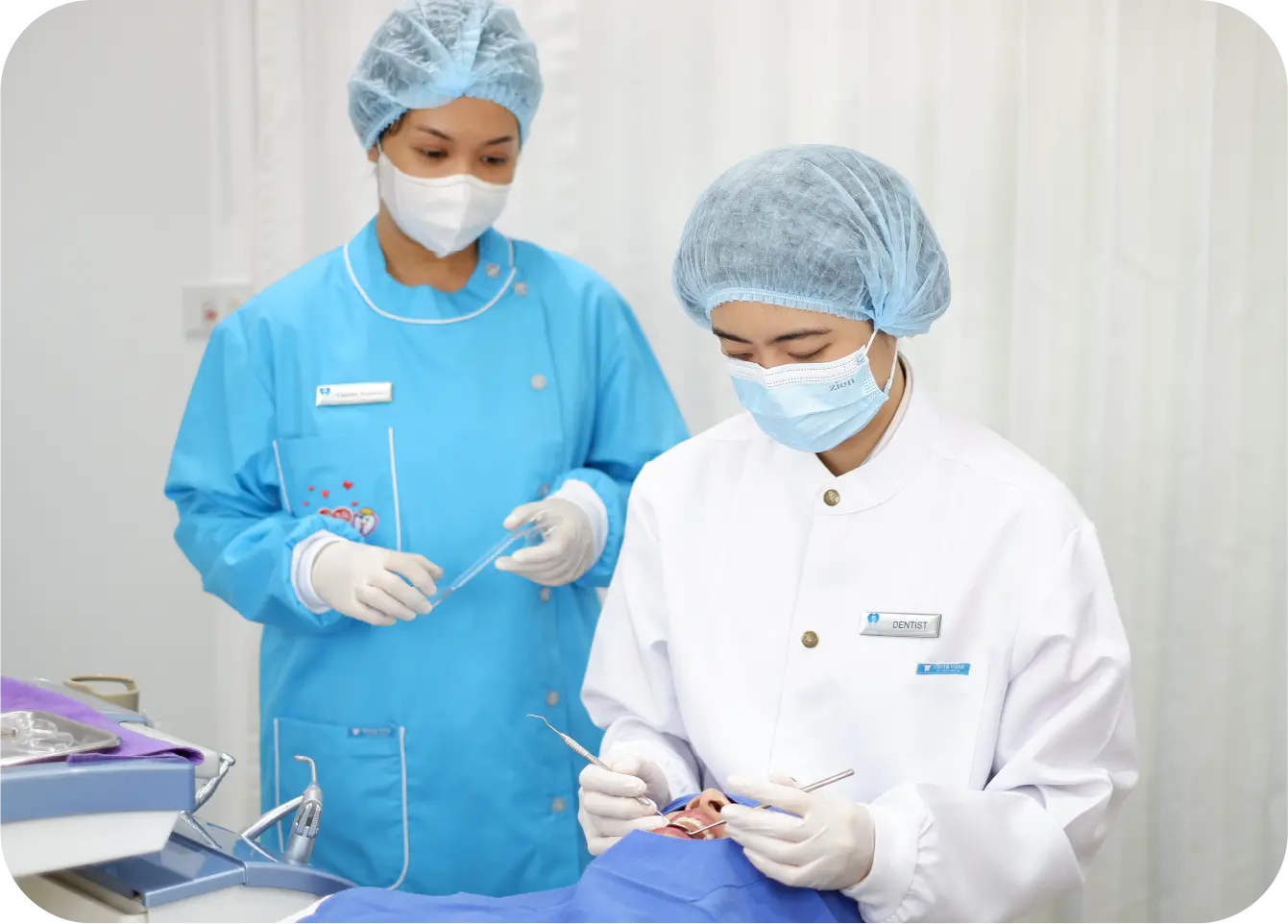
Getting dental implants is one of the best solutions for missing teeth, but many patients feel anxious about the procedure because they don’t know what to expect. This step-by-step guide walks you through the entire dental implant procedure, from your initial consultation to your final crown placement.
Understanding each stage of the implant process helps you prepare mentally and physically for dental treatment. Whether you need a single tooth implant, an implant bridge, or full mouth restoration with All-on-4, the basic steps remain similar.
What Are Dental Implants?
Dental implants are artificial tooth roots made of titanium that are surgically placed into your jawbone. They provide a solid, permanent base for your new teeth—whether that’s a single crown, a dental bridge, or dentures.
Unlike dentures or bridges that sit on top of your gums, dental implants fuse with your jaw bone through a process called osseointegration. This creates a stable foundation that looks and functions like your natural teeth.
The Three Parts of a Dental Implant

- The Implant Post – A titanium screw that is placed into the jawbone and acts as a new tooth root
- The Abutment – A connector piece that attaches to the top of the implant and serves as the base for your new tooth
- The Crown – The visible replacement tooth that is attached onto your implant
Are You a Good Candidate for Dental Implants?
Before starting treatment, your dentist will evaluate whether dental implants are right for you. Good candidates typically have:
- One or more missing teeth
- Adequate bone density in the jaw to support the implant
- Healthy gums free of periodontal disease
- Good overall health with no conditions that affect healing
- Non-smokers or willing to quit during treatment
If you lack sufficient bone in your jaw, a bone graft may be recommended before implant placement. This is a common procedure that adds bone material to strengthen the area.
The Dental Implant Procedure: Step by Step
The dental implant procedure involves several steps spread over 3-6 months. Here’s what to expect at each stage.
Step 1: Initial Consultation and Treatment Planning
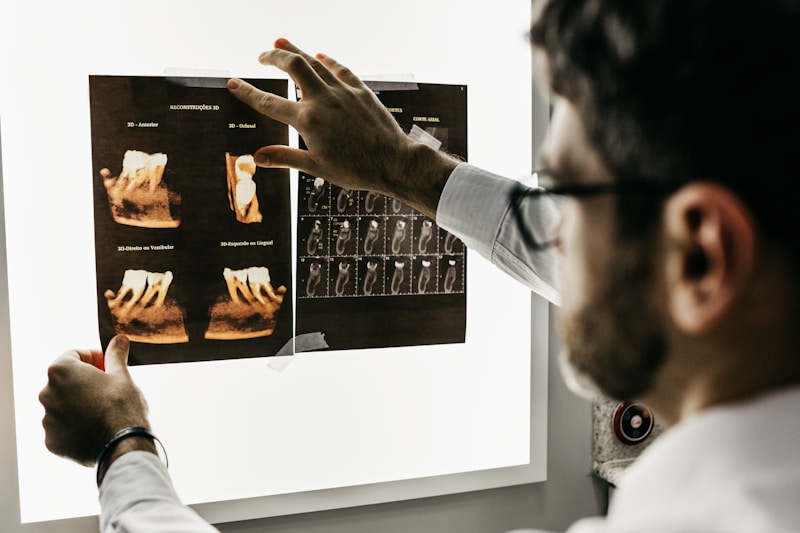
Your journey begins with a comprehensive consultation at our dental clinic. During this visit, your dentist will:
- Review your medical history and current medications
- Examine your teeth and gums thoroughly
- Take dental X-rays and possibly a CBCT scan (3D imaging)
- Assess your bone density and jaw structure
- Discuss your goals and expectations
Based on this evaluation, your dentist or prosthodontist creates a personalized treatment plan. This plan outlines the type of implant you need, whether you require bone grafting, the treatment time, and the total cost.
What to bring: Your medical history, list of medications, and any questions you have about the procedure.
Step 2: Tooth Extraction (If Needed)
If you still have a damaged tooth that needs to be removed, extraction is the first surgical step. In some cases, the implant can be placed immediately after extraction (immediate implant). More commonly, the extraction site needs 2-3 months to heal before implant placement.
Healing time: 2-3 months for the bone and gum tissue to recover.
Step 3: Bone Grafting (If Needed)
Not everyone needs a bone graft, but if your jawbone lacks sufficient density or volume to support the implant post, this step is essential.
During bone grafting, your dentist places bone material into the weak area of your jaw. This material can come from:
- Synthetic bone substitutes
- Processed bone from a donor
- Your own bone from another area
The grafted bone needs time to integrate with your existing teeth bone structure and create a solid foundation.
Healing time: 3-6 months before implant surgery can proceed.
Step 4: Implant Placement Surgery

This is the main surgical procedure where the dental implant is placed into your jawbone.
What happens during implant surgery:
- Anaesthesia – Local anesthesia is administered to numb the area. Sedation options are available for anxious patients.
- Incision – Your dentist makes a small incision in the gum tissue to expose the jawbone.
- Drilling – A specialized drill creates a precise hole in the bone where the implant will be placed.
- Implant Placement – The titanium implant post is carefully inserted and screwed securely into the bone.
- Closing – The gum tissue is stitched closed over or around the implant.
- Healing Abutment – In some cases, a healing abutment is placed on top of the implant to shape the gum tissue.
The entire dental implant surgery typically takes 1-2 hours for a single implant. You’ll receive aftercare instructions and possibly a prescription for antibiotics and pain medication.
Recovery: Most patients return to normal activities within 1-2 days. Swelling and mild discomfort are normal for the first few days.
Step 5: Osseointegration (Healing Period)
After implant placement, the most critical phase begins: osseointegration. This is the natural process where your jawbone grows around and fuses with the titanium implant, creating a permanent bond.
During this healing period:
- The implant becomes securely anchored in your jaw
- The bone density around the implant increases
- The foundation for your new tooth becomes rock-solid
Your dentist will monitor the healing at follow-up appointments to ensure everything is progressing well.
Healing time: 3-6 months, depending on the location of the implant and your body’s healing ability.
Step 6: Abutment Placement
Once osseointegration is complete, you’ll return for a minor procedure to attach the abutment.
What happens:
- Your dentist makes a small incision to expose the top of the implant (if it was covered)
- The healing cap is removed
- The abutment is attached to the implant post
- The gum tissue is allowed to heal around the abutment
In some cases, the abutment is placed during the initial implant surgery, eliminating this step.
Healing time: 2-4 weeks for the gum tissue to heal around the abutment.
Step 7: Impressions and Crown Fabrication
After your gums have healed around the abutment, it’s time to create your new tooth.
What happens:
- Your dentist takes an impression of your teeth using dental putty or a digital scanner
- The impression is sent to a dental lab
- Technicians fabricate a custom crown that matches your natural teeth in color, shape, and size
- The crown is designed to fit perfectly with your bite
Fabrication time: 1-2 weeks for the dental lab to create your crown.
Step 8: Final Crown Placement

The final step is placing your new crown onto the abutment. This is an exciting moment—you finally get to see your complete new tooth!
What happens:
- Your dentist attaches the crown to the abutment (either cemented or screwed on)
- Your bite is checked and adjusted if needed
- The color and appearance are verified
- Final polishing and adjustments are made
Once the crown is in place, your dental implant procedure is complete. You’ll leave the dental clinic with a fully functional replacement tooth that looks and functions like your real teeth.
Dental Implant Procedure Timeline
| Stage | Procedure | Duration | Healing Time |
|---|---|---|---|
| 1 | Initial Consultation | 1 hour | – |
| 2 | Tooth Extraction (if needed) | 30-60 min | 2-3 months |
| 3 | Bone Graft (if needed) | 1-2 hours | 3-6 months |
| 4 | Implant Placement Surgery | 1-2 hours | – |
| 5 | Osseointegration | – | 3-6 months |
| 6 | Abutment Placement | 30 min | 2-4 weeks |
| 7 | Impressions | 30 min | 1-2 weeks (lab) |
| 8 | Crown Placement | 30-60 min | – |
Total treatment time: 3-6 months (without bone graft) or 6-12 months (with bone graft)
Types of Dental Implant Procedures
Depending on your situation, there are different approaches to implant dentistry:
Single Tooth Implant
One implant replaces one missing tooth. This is the most common type of implant procedure.
Implant Bridge (Multiple Teeth)
Two or more implants support a dental implant bridge that replaces several missing teeth in a row. This is more economical than placing individual implants for each tooth.
All-on-4 / Full Mouth Implants
Four to six implants support a full arch of teeth (top or bottom). This solution is ideal for patients with most or all teeth missing, offering a permanent alternative to dentures.
Immediate Load Implants
In select cases, a temporary crown can be placed on the same day as implant surgery. This is only possible when bone density and implant stability are excellent.
What to Expect During Recovery
Understanding the recovery process helps you prepare for each stage of healing.
First 24-48 Hours
- Some swelling and bruising around the surgical site
- Mild to moderate discomfort (manageable with prescribed or over-the-counter pain medication)
- Minor bleeding is normal
- Stick to soft foods and avoid the implant area when chewing
First Week
- Swelling typically peaks at day 2-3, then gradually subsides
- Any stitches may be removed after 7-10 days
- Continue eating soft foods
- Avoid smoking and alcohol
First Month
- Gum tissue continues to heal
- You can gradually return to normal foods
- Avoid hard, crunchy, or sticky foods near the implant
- Maintain excellent oral hygiene
3-6 Months (Osseointegration)
- The implant fuses with your jawbone
- No special restrictions, but continue good dental care
- Attend follow-up appointments so your dentist can monitor the healing
Potential Risks and Complications
Dental implant surgery has a high success rate (95-98%), but like any surgical procedure, there are potential risks:
- Infection at the implant site
- Nerve damage causing numbness or tingling (rare)
- Sinus problems (for upper jaw implants)
- Implant failure if osseointegration doesn’t occur
- Bone loss around the implant over time
Choosing an experienced implant dentist and following all aftercare instructions significantly reduces these risks.
Dental Implant Procedure Cost
Dental implants are an investment in your oral health and quality of life. The cost depends on several factors:
- Number of implants needed
- Need for bone grafting or other preparatory procedures
- Type of crown or restoration
- Implant brand and materials used
Dental Implant Prices in Bangkok
| Implant System | Price |
|---|---|
| Neobiotech (Korea) | ฿45,000 |
| Neodent (Switzerland) | ฿49,000 |
| Straumann (Switzerland) | ฿80,000 – ฿85,000 |
Prices include implant post, abutment, and crown.
Dental implants in Bangkok cost 50-70% less than in the USA, UK, or Australia, making Thailand an attractive destination for dental treatment without compromising on quality.
Why Choose Bangkok for Your Dental Implant Procedure?
- Experienced Implant Dentists: Our prosthodontists and implant dentists have years of experience placing dental implants. They use the latest techniques and technology to ensure optimal results.
- Quality Implant Systems: We use world-renowned implant brands including Straumann (Switzerland) and Neodent, known for their reliability and long-term success rates.
- Advanced Technology: Digital X-rays, CBCT scanning, and computer-guided implant placement allow for precise treatment planning and predictable outcomes.
- Affordable Rates: Get the same quality dental implants you’d receive in Western countries at a fraction of the cost. Save 50-70% on your dental treatment.
- Convenient for Dental Tourism: Most implant procedures can be completed in 2-3 visits. We work with your schedule to make treatment efficient for international patients.
Ready to restore your smile with dental implants? Book a free consultation with our implant specialists today. We’ll review your case and create a personalized treatment plan.
Frequently Asked Questions
Is the dental implant procedure painful?
The surgery is performed under local anaesthesia, so you won’t feel pain during the procedure. After surgery, mild discomfort is normal for a few days but is easily managed with pain medication. Most patients report less pain than they expected.
How long does the entire dental implant process take?
The complete dental implant procedure typically takes 3-6 months from start to finish. If bone grafting is required, add an additional 3-6 months for healing. The actual surgical appointments are relatively quick—1-2 hours each.
Can I get dental implants in one day?
In some cases, immediate load implants allow a temporary crown to be placed the same day as surgery. However, the permanent crown is still placed after osseointegration (3-6 months). True “same-day implants” are only suitable for certain patients with good bone density.
How long do dental implants last?
With proper dental care, dental implants can last 20-25 years or even a lifetime. The crown may need replacement after 10-15 years due to normal wear, but the implant post itself can remain permanently.
What if I don’t have enough bone for implants?
Bone grafting can rebuild the bone in your jaw to provide a solid foundation for implants. While this adds time to your treatment, it allows patients who were previously not candidates to successfully receive implants.
Can I eat normally after getting dental implants?
Yes! Once your implant has fully healed and the crown is in place, you can eat virtually anything. Dental implants restore full chewing function, unlike dentures which can slip or limit food choices.
How do I care for my dental implants?
Care for your dental implants just like your natural teeth: brush twice daily, floss daily, and visit your dentist for regular check-ups. Implants can’t get cavities, but the surrounding teeth and gums still need proper care to prevent gum disease.
What’s the success rate of dental implants?
Dental implants have a success rate of 95-98% when placed by experienced implant dentists. Factors that affect success include smoking, uncontrolled diabetes, poor oral hygiene, and insufficient bone.
Are dental implants better than dentures?
Dental implants offer several advantages over dentures: they’re permanent, don’t slip, preserve jawbone, restore full chewing power, and look and function like real teeth. However, they require surgery and a longer treatment time. Your dentist can help you decide which option is best for your situation.
How many teeth can be replaced with dental implants?
Dental implants can replace a single tooth, several teeth with an implant bridge, or all teeth with All-on-4 or full mouth implants. The number of implants placed depends on how many teeth you’re replacing and the condition of your jawbone.