 Written by Dr. Nan
If you are missing a few teeth and dread the look of metal clasps, flexible dentures are probably on your shortlist. They are the soft, clasp-free partials your dentist may have mentioned, and they have become one of the most popular ways to fill small gaps without surgery.
This guide explains what they actually are, who they suit, where they fall short, and what they cost when you have them made in Bangkok.
What Are Flexible Dentures?
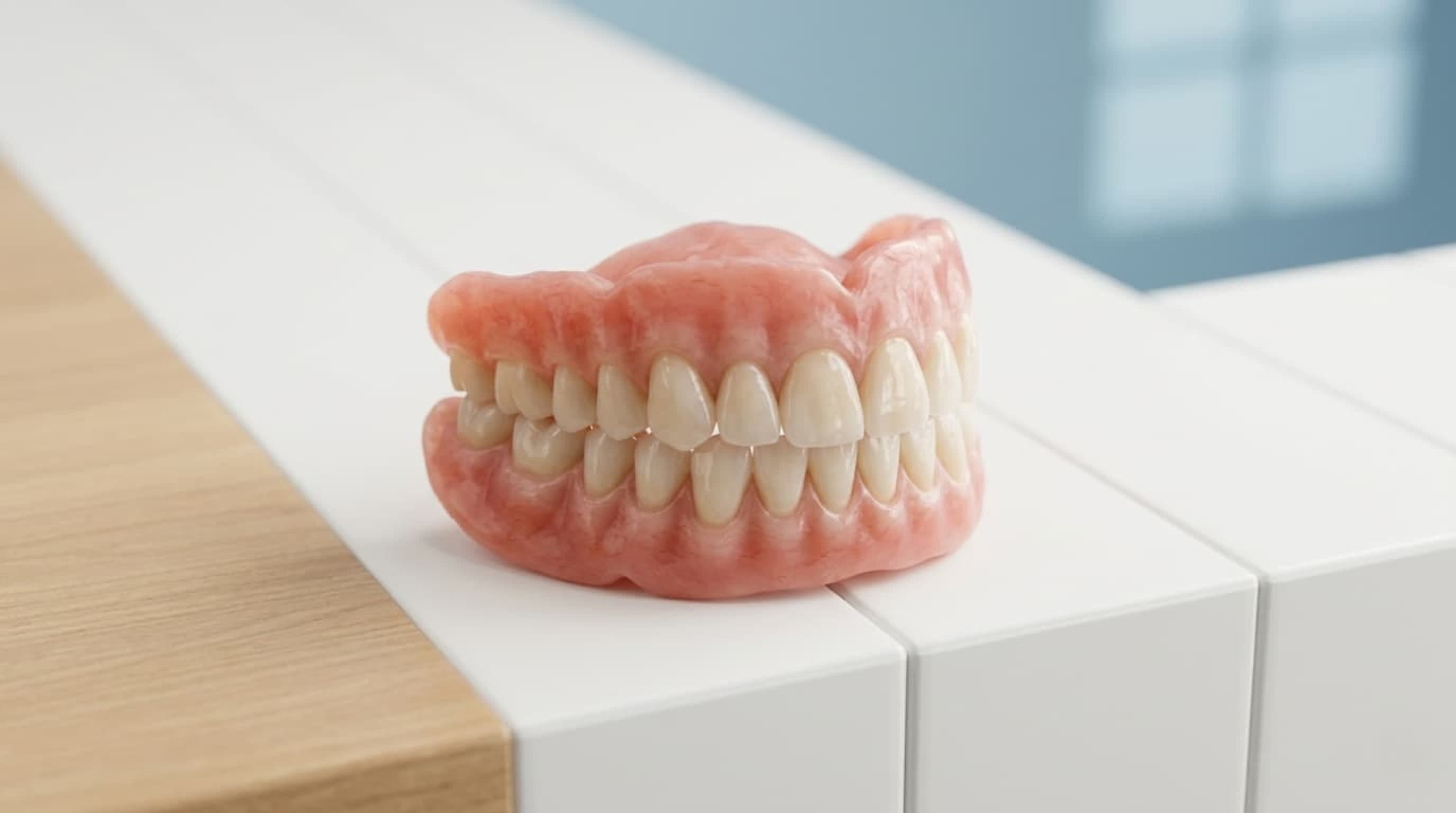
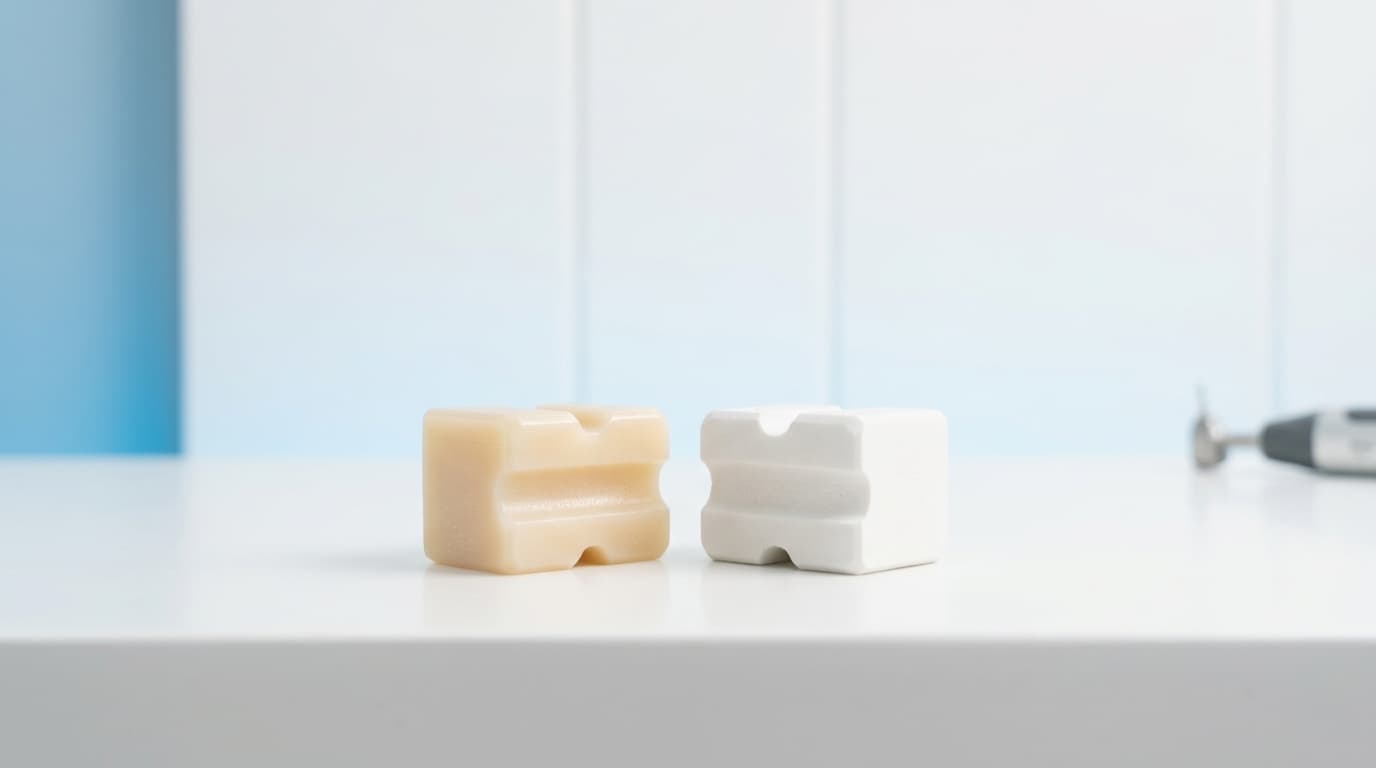
A flexible denture is a removable partial denture built on a thin, bendy base instead of the hard pink acrylic or cast metal used in traditional partials. The base is made from a thermoplastic nylon material (Valplast is the best-known brand name, though several similar materials exist).
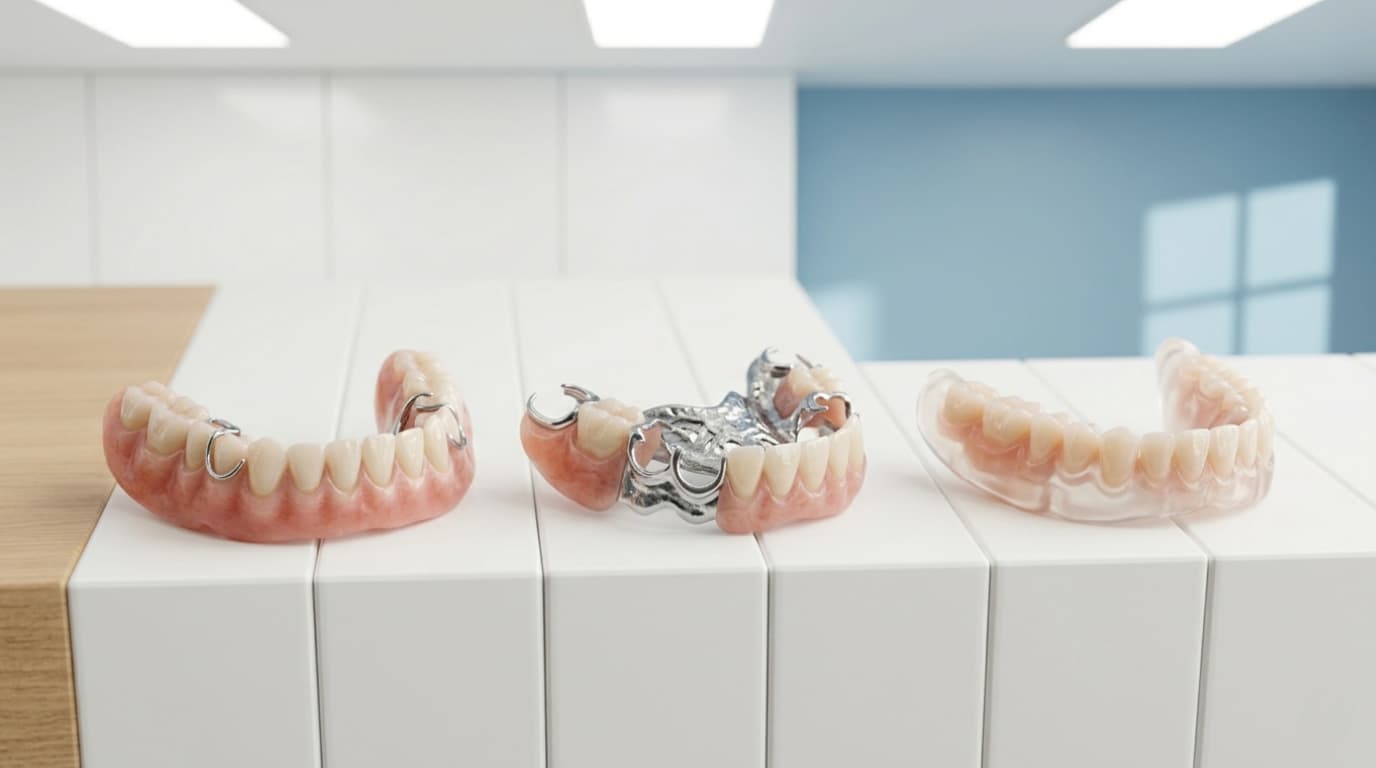
Because the material can flex a little, the denture hugs the natural curves of your gums and the teeth on either side of the gap. The part most patients care about is what you do not see:
- ❌ A conventional metal partial relies on visible metal clasps that hook around your remaining teeth to stay in place.
- ✅ A flexible denture replaces those with gum-coloured, slightly translucent extensions that blend into your own tissue. From a normal talking distance, most people cannot tell you are wearing anything at all.
They are designed for partial cases, meaning you still have some healthy natural teeth. The replacement teeth attach to a base that clips around your existing teeth, restoring your smile, your bite and your ability to chew on that side again.
If you want the full picture of every option, our guide to getting dentures in Thailand walks through full, partial and implant-supported choices side by side.
Flexible vs Acrylic vs Metal Partials
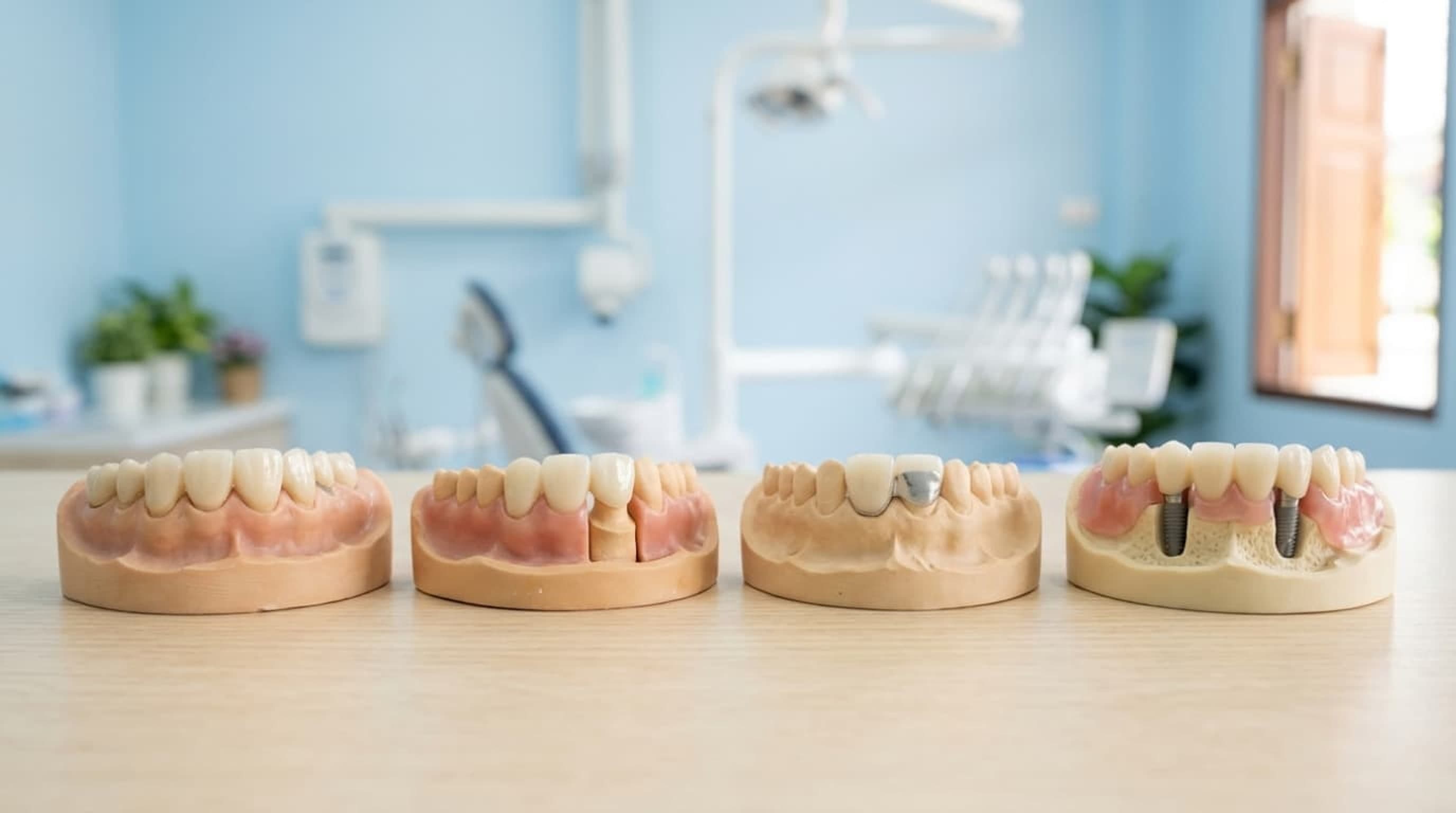
The honest way to choose is to compare flexible dentures against the two traditional partial types rather than against implants. Each has a genuine trade-off, so the right answer depends on your priorities.
| Feature | Flexible (nylon) | Acrylic partial | Metal-base partial |
|---|---|---|---|
| Visible clasps | None (gum-coloured) | Usually metal or wire | Yes, cast metal |
| Comfort and weight | Light, soft, flexible | Bulkier, rigid | Thin and strong, but rigid |
| Appearance | Most natural | Acceptable | Clasps can show |
| Strength for chewing | Good for small gaps | Moderate | Strongest, best for large gaps |
| Easy to reline or repair | Harder | Easy | Moderate |
| Suits acrylic or metal allergy | Yes | No (acrylic) | No (metal) |
| Best for | One to several front or side teeth | Temporary or budget cases | Several missing back teeth, full arches |
In plain terms: flexible wins on comfort and looks, acrylic wins on being cheap and easy to adjust, and metal wins on strength and longevity for bigger cases.
A skilled dentist will sometimes recommend a hybrid or a metal base even when a patient asks for flexible, simply because it is the better long-term fit for that mouth. If you are still working out whether a partial is even the right starting point, our guide to dentures in Thailand helps settle that first.
The Pros of Flexible Dentures
Flexible partials earned their popularity for real reasons, and for the right patient they are an excellent choice.
- No visible metal. This is the headline benefit. The clasps blend into your gums, so the denture is almost invisible when you smile or talk.
- Comfortable from day one. The soft material moulds to your gums and flexes slightly as you chew, which means fewer sore spots and pressure points than a rigid plate.
- Lightweight and thin. Many patients forget they are wearing them, and there is no metal taste or temperature sensitivity.
- Hard to break. The flexible base resists cracking if you drop it, unlike brittle acrylic.
- Kind to sensitive mouths. The nylon material contains no acrylic monomer and no metal, so it suits patients who react to standard denture materials or nickel.
- No tooth grinding needed. Unlike a fixed bridge, a flexible partial does not require your healthy neighbouring teeth to be filed down.
The Cons You Should Know About
This is where most websites go quiet, so here is the honest version. Flexible dentures have genuine limitations, and knowing them before treatment saves disappointment later.
- Hard to reline. Your gums slowly change shape over the years. Acrylic dentures can be relined cheaply to restore the fit, but the nylon material does not bond easily to reline material, so a poorly fitting flexible denture often has to be remade rather than adjusted.
- Harder to repair. Adding a tooth or fixing a crack is more difficult than with acrylic, and not every lab can do it well.
- Not for full arches. Flexible dentures are designed for partial cases. They flex too much to be stable as a complete upper or lower denture, where a rigid base or implants give far better function.
- Prone to staining and plaque. The slightly porous surface can hold plaque and pick up stains more readily than polished acrylic, so daily cleaning is essential.
- Can transmit chewing force to the gums. Because the base flexes, heavy chewing load goes onto the gum rather than being spread to the teeth, which over time is not ideal for the underlying bone in larger cases.
If you have several missing back teeth, or you want a replacement that lasts decades, a dental implant is usually the stronger long-term answer. A flexible denture is a comfortable, affordable, non-surgical option, not a permanent fix.
Who Are Flexible Dentures Best For?
Flexible dentures suit you well if:
- ✅ you are missing one to several teeth, with healthy teeth on either side of the gap
- ✅ your top priority is a natural look without metal showing
- ✅ you react to acrylic or metal
- ✅ you want to avoid surgery, at an affordable price that still looks good
They are a poorer fit if:
- ❌ you have lost all the teeth in an arch
- ❌ you have heavy missing-tooth gaps at the back, where strong chewing force matters
- ❌ you want the cheapest possible appliance and do not mind a visible clasp
In those cases your dentist may steer you toward a metal-base partial, a complete denture, or implants. The right call only comes after an examination, which is exactly what a free assessment is for.
How Long Do Flexible Dentures Last?
With good daily care, a flexible partial typically lasts around 5 to 7 years before it needs replacing. The material itself is tough and does not crack easily, so the limiting factor is usually fit rather than breakage.
As your gums and bone change shape over the years, the denture gradually loosens, and because it cannot be relined as easily as acrylic, it tends to be remade rather than refitted.
To get the most out of yours:
- Rinse and brush it daily with a soft denture brush.
- Use a denture cleaner, not abrasive toothpaste.
- Soak it overnight in water or denture solution.
- Never use hot water, which can warp the material.
Regular check-ups let your dentist catch a loosening fit before it causes sore spots.

What Do Flexible Dentures Cost in Thailand?
This is where Bangkok changes the maths. In the UK, US or Australia, a flexible partial is typically advertised from $700 to $3,000 per arch once you add the dentist and lab fees.
At our clinic the same type of work costs a fraction of that, with no compromise on the lab or the materials, because our prices reflect Thailand, not the West.
| Item | Price at our Bangkok clinic |
|---|---|
| Dentures from | $90 |
| Acrylic partial denture | ฿3,000 |
| Metal-base partial denture | ฿8,000 |
| Additional tooth | ฿500 |
| Acetal clasp | ฿1,500 |
| Denture reline | ฿2,000 |
| Denture repair | ฿1,500 |
Prices vary with the number of teeth replaced and the complexity of your case, so you receive a fixed written quote after your assessment, with no surprises added later. Many patients save up to 70 percent against prices back home, and the gap is wide enough that the trip pays for itself even on a small case.
Our full guide to dentures cost in Thailand sets these figures next to acrylic, metal and complete dentures so you can see where flexible sits. If you are weighing up the wider logistics of travel, treatment time and combining a holiday with care, our overview of dental tourism in Thailand covers how patients plan the visit.
A Note on Treatment Time
A partial denture, flexible or otherwise, is made over several short appointments rather than in a single day, usually across 2 to 4 weeks:
- Initial consultation, with impressions taken.
- Measurement and design.
- Try-in, to check fit and appearance.
- Final fitting.
Most international patients have impressions taken early in their stay and collect the finished denture before flying home, with a follow-up visit built in to fine-tune comfort.
Conclusion
Flexible dentures are a comfortable, natural-looking way to replace a few teeth without surgery or visible metal, as long as you go in clear-eyed about the trade-offs on relining and full-arch use. The best way to know if they are right for you is a proper look at your mouth by a dentist who fits these every week.
See the full range of options and prices on our dentures in Bangkok page. When you are ready, send us a few photos and we will give you a personalised recommendation and a fixed written quote before you travel.
Was this article helpful?