 Written by Dr. Nan
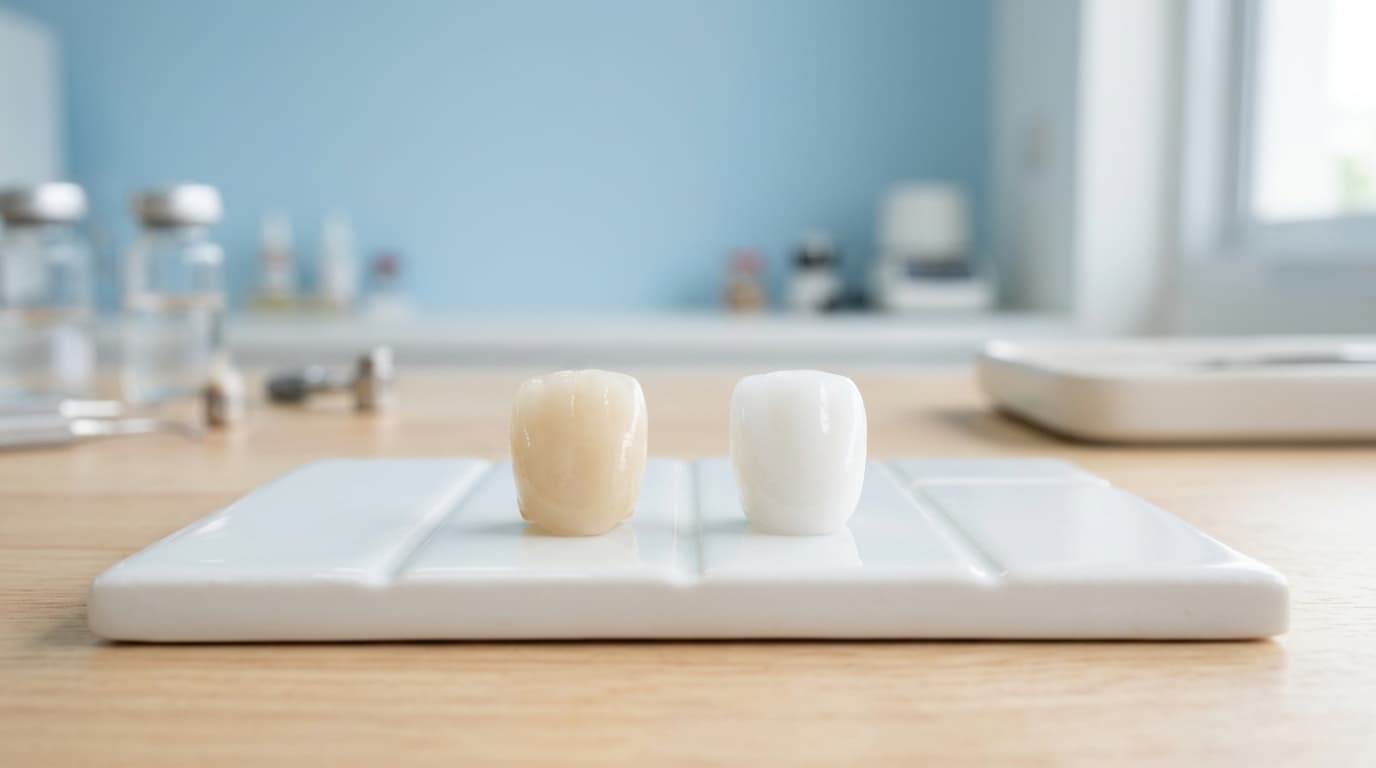
When people start researching veneers, they quickly run into a wall of names: composite resin, porcelain, E-max, lithium disilicate, feldspathic, zirconia, Lumineers. It sounds like a long menu of completely different products. In reality, most of these are variations on two ideas, resin or ceramic, and a couple of the scariest-sounding names are just brands or lab techniques rather than separate materials. This guide explains each one in plain terms, with honest pros and cons, how long it lasts, what it costs, and which type of smile problem it actually suits.
If you are still weighing up whether veneers are the right treatment for you, our overview of veneers in Bangkok covers who they suit and what a full smile makeover involves.
Composite or Ceramic: The One Distinction That Matters Most
Before getting lost in brand names, it helps to know that every veneer falls into one of two camps.
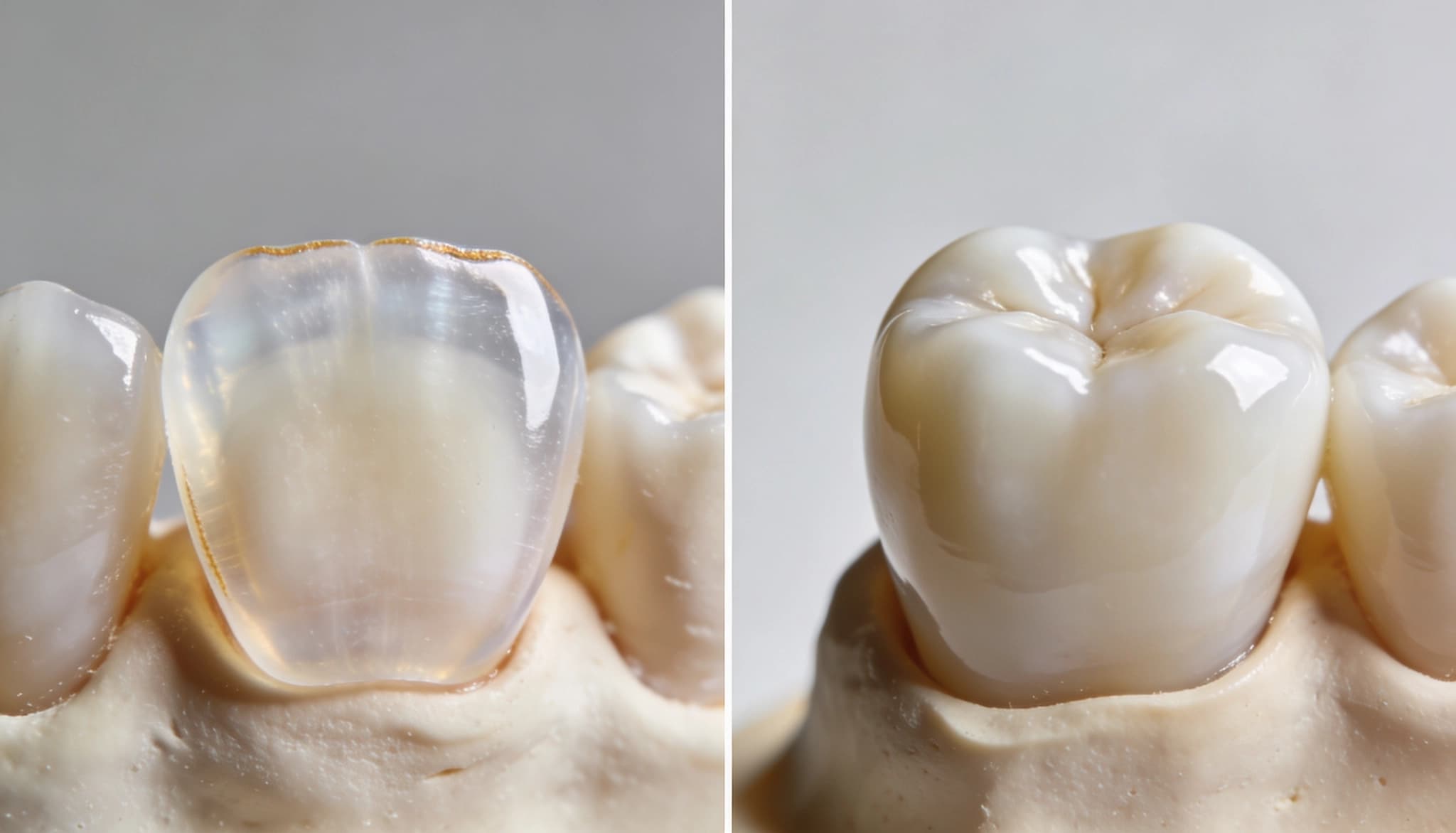
Composite resin is a tooth-coloured plastic that your dentist applies and shapes directly onto your teeth in the chair, then hardens with a light. Nothing is sent to a lab. It is fast, gentle on the tooth, and easy to repair, but the material is softer, so it picks up stains and wears down faster than ceramic.
Ceramic (the porcelain family) is made in a dental laboratory from impressions or scans of your teeth, then bonded on at a second visit. Ceramic is harder, more stain-resistant, and far more natural in the way it handles light. Almost everything else on this page, E-max, feldspathic, zirconia, and Lumineers, is just a different type of ceramic or a brand built on one.
So the real first question is not "which of these seven materials" but "resin now, or ceramic that lasts". Our deeper composite vs porcelain veneers comparison drills into that single decision if it is the one you are stuck on.
Composite Resin Veneers
Composite is the entry point to veneers, both in price and in commitment.
A cosmetic dentist builds the veneer freehand, layer by layer, directly on the tooth, so a small case can be finished in a single appointment with little or no drilling. Because so little tooth structure is touched, the treatment is usually reversible, and if a veneer chips it can often be patched in minutes rather than remade.
The trade-off is in the material itself. Composite is more porous than ceramic, so it gradually absorbs colour from coffee, tea, red wine, and smoking, and it loses its polish over time. Expect a realistic lifespan of around 5 to 7 years before a refresh, and a slightly less luminous finish than porcelain from day one. The result also leans heavily on the artistry of the dentist placing it, since there is no lab technician involved.
Composite suits younger patients, minor chips and gaps, those on a tighter budget, and anyone who wants to "try on" the veneer look before committing to ceramic. You can read more about how we approach this in our guide to composite veneers.
- Cost in Bangkok: from $120 per tooth
- Lifespan: around 5 to 7 years
- Visits: usually one
- Best for: minor cosmetic fixes, budget cases, reversible results
Porcelain Veneers (the Family, Not a Single Material)
"Porcelain veneer" is an umbrella term, not one specific product. When a clinic quotes porcelain veneers, the lab will craft them from one of the ceramic types below, most often E-max. So porcelain is best thought of as the category that delivers the natural, durable, stain-resistant result people picture when they imagine a veneer.
What unites the porcelain options is that they are custom-made in a lab, they reflect light much like real enamel, and they resist staining for the life of the veneer. They also need a second visit and a small amount of enamel reshaping for most cases, because the shell has to sit flush with the surrounding teeth. If that reshaping is what worries you, our honest account of whether getting veneers hurts explains exactly what the preparation feels like.
If you want the bigger picture on having this done abroad, our article on porcelain veneers in Thailand covers the process, timeline, and what to expect from the lab work.
E-max (Lithium Disilicate): The Modern Default
E-max is the brand name for lithium disilicate, a high-strength glass ceramic, and it has become the everyday workhorse of cosmetic dentistry for good reason.
It balances the two things that used to pull against each other: strength and beauty. Lithium disilicate is strong enough to be made into thinner, more conservative veneers, yet it keeps enough translucency to look genuinely natural at the edges where teeth catch the light. It is pressed or milled from a single ceramic block, so it is consistent and predictable, and it bonds reliably to enamel.
For the majority of patients who want one material to cover most cases, E-max is the answer. It handles single veneers, full smile makeovers, and most colour corrections without looking flat or opaque. You will find it described in more detail on our ceramic veneers page.
- Cost in Bangkok: from $355 per tooth
- Lifespan: 10 to 15+ years
- Visits: usually two
- Best for: most cosmetic cases, natural-looking full makeovers
Feldspathic Porcelain: The Thin, Artistic Option
Feldspathic is the original porcelain, hand-layered by a skilled ceramist rather than milled from a block.
Its strength is exactly that handcraft. A talented technician can build extremely thin, lifelike veneers with subtle internal colour and translucency that some patients feel looks even more natural than E-max at the front of the smile. Because it can be made so thin, it sometimes needs very little tooth reduction.
The trade-off is durability. Feldspathic is more brittle than E-max, so it is better suited to people with a healthy bite and low grinding risk, and to cases where the absolute finest aesthetics matter more than maximum toughness. It is a specialist choice rather than an everyday default.
- Lifespan: around 10+ years with a gentle bite
- Best for: thin, highly aesthetic front-tooth cases in low-stress bites
Zirconia Veneers: Maximum Strength
Zirconia is the toughest ceramic used in dentistry, the same family of material used for hard-wearing crowns and bridges.
Its appeal is durability. Zirconia resists chipping and fracture better than any other veneer material, which makes it worth considering for patients who grind their teeth or who want extra reassurance on the back teeth. Modern multi-layer zirconia has improved a lot on appearance.
The catch is that, even with those improvements, zirconia tends to be a little more opaque than E-max or feldspathic, so it can look slightly less lifelike on very translucent front teeth. It is also harder to bond as conservatively. For pure front-of-smile aesthetics, most dentists still reach for E-max first and keep zirconia for cases where strength is the priority.
- Lifespan: 15+ years
- Best for: heavy bites, grinders, strength-first cases
Lumineers: a Brand, Not a Separate Material
This is the point most online guides muddle, so here is the honest version. Lumineers is a trademarked brand of ultra-thin, no-prep porcelain veneers, made from a specific ceramic by one company. It is not a different, superior material in its own right.
The genuine appeal of no-prep veneers is that they can sometimes be bonded with little or no removal of natural enamel, which makes the treatment more conservative and often reversible. That is a real benefit for the right patient.
But it comes with limits that the marketing tends to skip. Because no-prep veneers are so thin and sit on top of the tooth without reshaping it, they cannot mask darker, heavily discoloured teeth, and they can look slightly bulky if the underlying tooth is not already well-shaped. They are not automatically stronger or longer-lasting than a well-made E-max veneer. So if you see "Lumineers" advertised, read it as "a no-prep porcelain option", then judge it on whether no-prep actually suits your teeth, not on the brand name alone.
- Best for: well-shaped, light-coloured teeth where minimal prep is the goal
- Not ideal for: masking dark teeth or significant reshaping
Veneer Materials Compared at a Glance
Here is the whole picture in one table so you can see how the options line up.
| Material | Type | Look | Strength | Lifespan | From (per tooth) | Best for |
|---|---|---|---|---|---|---|
| Composite resin | Resin, chairside | Good, dulls over time | Lower | 5 to 7 years | $120 | Minor fixes, budget, reversible |
| E-max (lithium disilicate) | Ceramic, lab | Very natural | High | 10 to 15+ years | $355 | Most cases, natural makeovers |
| Feldspathic | Ceramic, hand-layered | Most lifelike, very thin | Moderate | 10+ years | $355 | Top aesthetics, gentle bites |
| Zirconia | Ceramic, lab | Strong, slightly opaque | Highest | 15+ years | $355 | Grinders, strength-first cases |
| Lumineers (brand) | No-prep porcelain | Natural, can look bulky | Moderate | 10+ years | $355 | Well-shaped, light teeth, minimal prep |
Which Material Should You Choose?
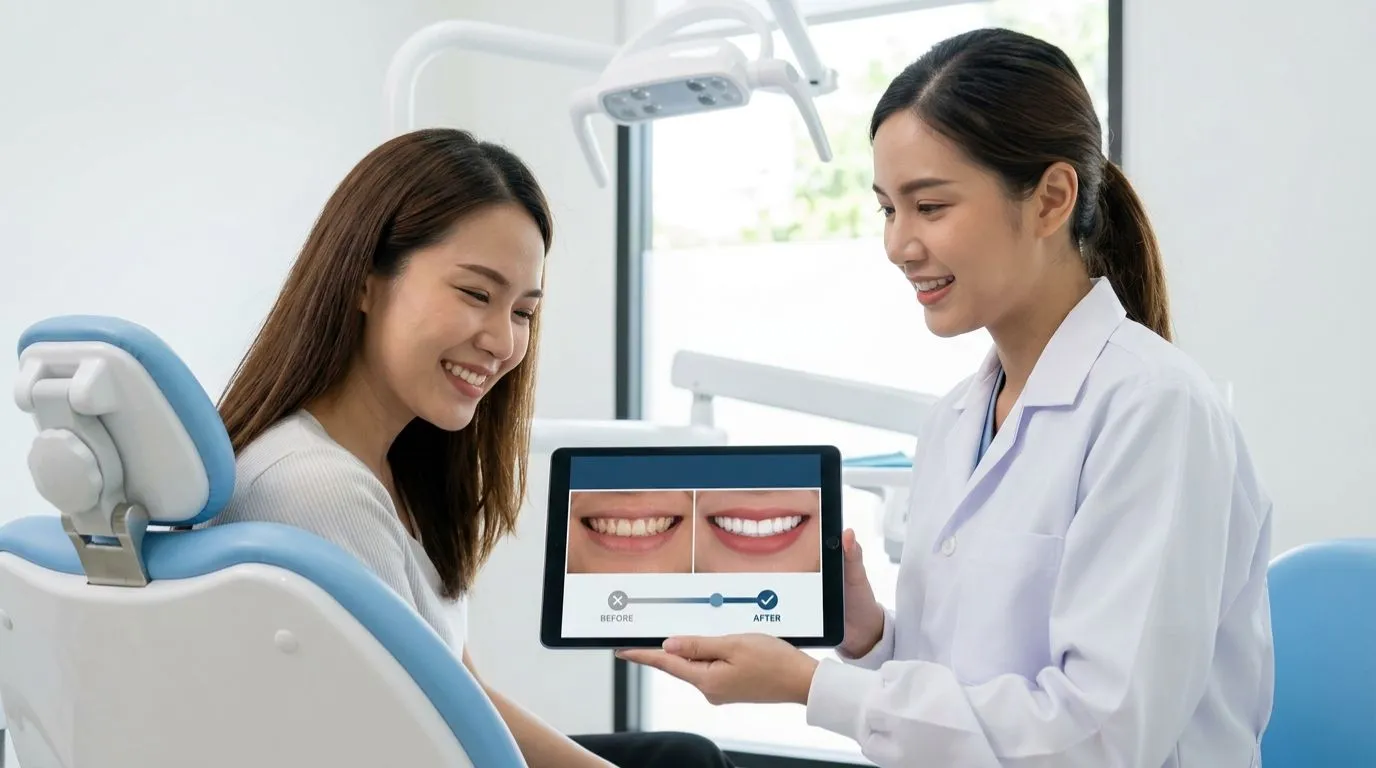
Strip away the brand names and the choice usually comes down to your goals.
- If budget and speed matter most, and you accept a shorter lifespan, choose composite resin.
- If you want the best all-round result, natural and durable, choose E-max porcelain. It is the right answer for most people.
- If you want the finest, thinnest aesthetics on front teeth and have a gentle bite, ask about feldspathic.
- If you grind your teeth or want maximum strength, consider zirconia.
- If your teeth are already well-shaped and light, and minimal drilling is your priority, a no-prep porcelain option (sometimes branded as Lumineers) may suit you.
The honest truth is that the material matters less than the diagnosis and the hands placing it. The right shade, shape, and bite have to be planned for your face, and the veneer made by a good lab. At our clinic, veneers are placed by experienced cosmetic dentists, the ceramic work is produced in our on-site lab, and the result is backed by a written guarantee, so the choice of material is matched to your case rather than sold as a one-size product.
Two practical notes before you book. If a tooth needs a filling or root treatment first, that has to be sorted before veneers go on, and our team will refer you for any root canal work since we focus on the cosmetic side. And if you are comparing the total spend, our veneers in Thailand cost guide breaks down what a full case actually adds up to once flights and time are factored in.
Ready to Find the Right Veneer for Your Smile?
The fastest way to know which material suits you is to have your teeth assessed rather than guessing from a price list. Browse our full range of dental veneer options in Bangkok to see what is possible, then BOOK A FREE CONSULTATION at /book-free-consultation/ and we will recommend the material that fits your smile, your bite, and your budget.
Was this article helpful?