 Written by Dr. Nan
Choosing between composite and porcelain veneers usually comes down to four things: how much you want to spend, how long you want the result to last, how fast you need it done, and how much of your natural tooth you are willing to change. Both can transform a smile. They just get there in very different ways, and the right answer depends on your teeth and your goals, not on which one is "best" in the abstract.
This guide breaks the decision down the way a cosmetic dentist actually thinks about it, with a clear comparison table, real per-tooth prices, the honest truth about durability and repairs, and what changes when you have the work done in Bangkok rather than at home.
If you are still deciding whether veneers are right for you at all, our overview of dental veneers in Bangkok walks through who they suit and what a full smile makeover involves.
Composite vs Porcelain Veneers at a Glance
Here is the whole comparison in one place. Every section below simply explains one of these rows in more detail.
| Factor | Composite veneers | Porcelain veneers |
|---|---|---|
| Material | Tooth-coloured resin, sculpted by hand | Custom ceramic shells, lab-made |
| Cost per tooth (Bangkok) | From $120 | From $355 |
| Visits needed | Usually one, often same day | Two (prep, then fit) |
| Lifespan | About 5 to 7 years | About 10 to 15+ years |
| Stain resistance | Lower, can darken with coffee, tea, wine | High, glazed surface resists staining |
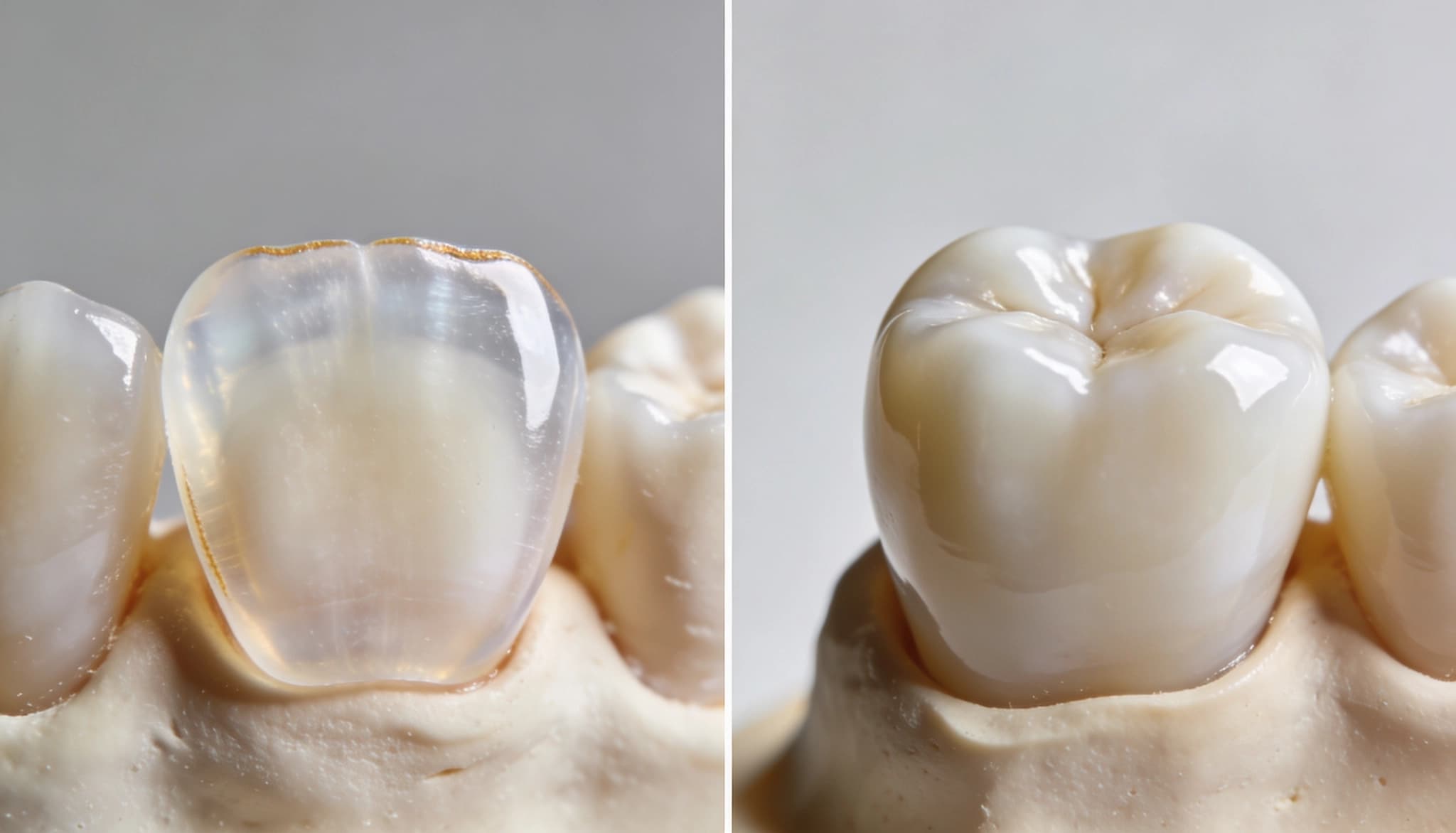
| Look | Good, slightly less translucent | Most natural, light passes through like enamel |
| Tooth preparation | Minimal, often reversible | A thin layer of enamel removed, permanent |
| If it chips | Often repaired in the chair | Usually the whole veneer is replaced |
What Each Veneer Actually Is
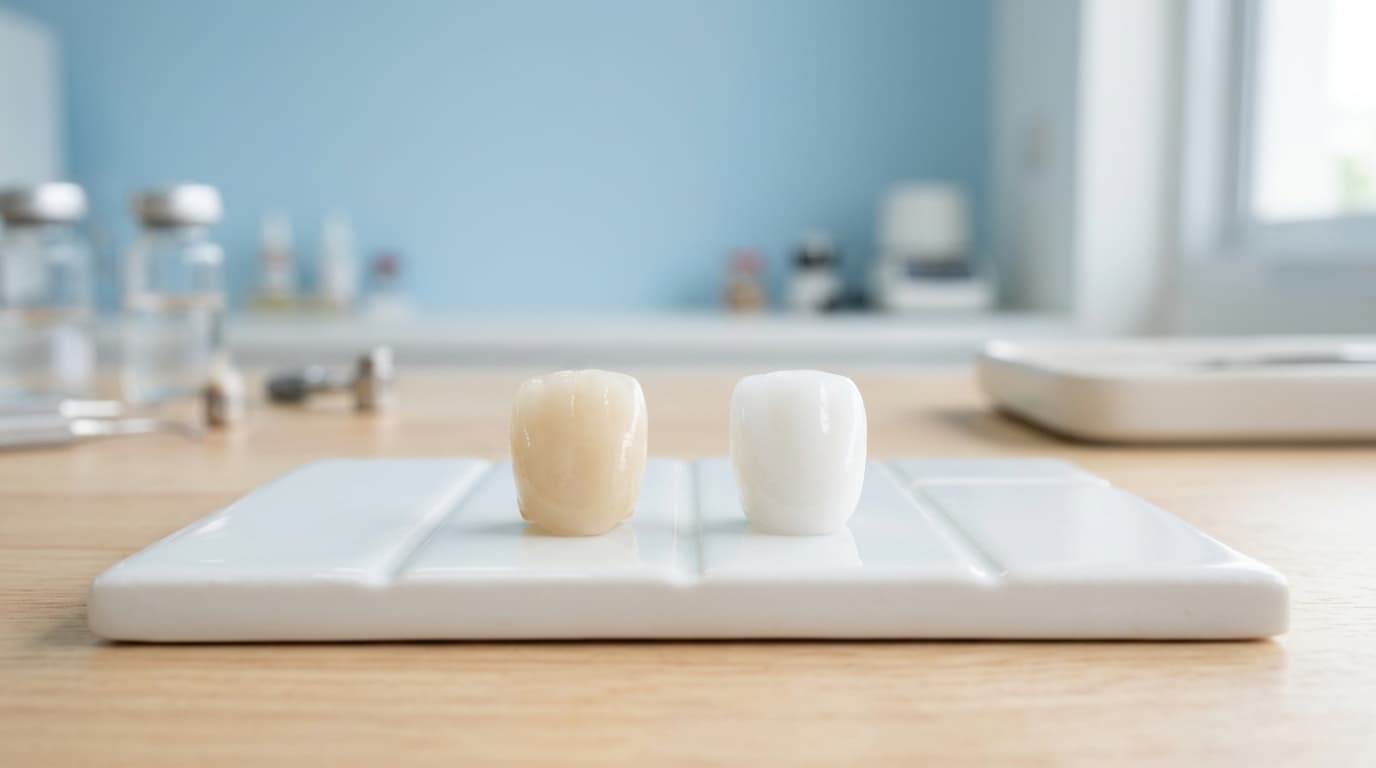
A composite veneer is built up directly on your tooth from a tooth-coloured resin, the same family of material used for white fillings. Your dentist shapes, layers and polishes it by hand in the mouth, so the result depends heavily on the skill of the person doing it. Because little or no enamel needs to be removed, composite is often described as reversible. You can read more about how these are done on our composite veneers page.
A porcelain veneer is a wafer-thin shell of ceramic, made to fit your tooth precisely and then bonded into place. It is created in a dental lab from an impression or digital scan, which is why it takes a second visit. Porcelain has a translucency very close to natural enamel, so it catches the light the way real teeth do. Our ceramic veneers page covers the materials and shade matching in more depth. To prepare the tooth, a very thin layer of enamel is usually shaped away, which makes porcelain a permanent commitment. If the prep stage is what concerns you, our honest account of whether getting veneers hurts walks through what it actually feels like.
Cost: Up Front and Over Time
Composite is the cheaper option on day one, and the gap is wide. Per tooth, composite veneers start from $120 in Bangkok, while porcelain veneers start from $355. The reason is simple: composite is placed directly by the dentist with no lab bill, whereas porcelain involves a ceramist, lab time and materials.
But the price tag on day one is not the full story. Because composite typically needs replacing or refreshing every 5 to 7 years while porcelain can run 10 to 15+ years, the longer-term cost per year can land closer together than it first looks. If you are planning a full smile and want a result that holds for over a decade, porcelain often gives better value across its lifetime even though it costs more at the start.
For a fuller cost breakdown across a whole set, including how multi-tooth packages work, see our guide to veneers in Thailand and what they cost.
Durability, Staining and Repairs
This is where the two materials behave very differently, and it is worth being honest about both.
Composite is softer and more porous. That makes it easier to adjust and repair, but it also means it picks up stains from coffee, tea, red wine and smoking over time, and the edges can chip with heavy use. The upside is that a chip or a stain can often be polished or patched in a single short appointment, without replacing the whole veneer.
Porcelain is harder, glazed and highly stain-resistant, so it tends to keep its colour for years. The trade-off is that when porcelain does break, it usually cannot be patched. The whole veneer is remade and rebonded. In day-to-day life, porcelain is the lower-maintenance choice, which is part of why it lasts longer.
Neither material decays on its own, but the natural tooth and gum underneath still need normal brushing, flossing and check-ups to stay healthy. A nightguard is worth asking about if you grind your teeth, since clenching is the fastest way to chip either type of veneer.
It is also worth knowing what veneers are not. They are a cosmetic restoration, not a treatment for decay or infection. If a tooth needs deeper work such as a root canal before it can be restored, that has to be sorted out first, and we will refer you for it rather than veneer over a problem. A consultation makes sure your teeth are genuinely ready for veneers before any material goes on.
How They Look, and Who Each Suits
For most people, a well-made composite veneer looks great in everyday settings. Porcelain has the edge when you look closely, because light passes through it the way it passes through enamel, giving real depth rather than a flat surface. For front teeth that show in every photo, that translucency is often the deciding factor. You can see finished cases in our veneer results gallery.
As a rough guide:
- Choose composite if you want a lower up-front cost, a single-visit result, a reversible option, or you are fixing one or two teeth, small chips or gaps.
- Choose porcelain if you want the most natural look, strong stain resistance, the longest lifespan, or you are restyling several teeth at once for a full smile makeover.
Many patients also mix the two, using porcelain on the most visible front teeth and composite elsewhere, depending on budget and goals. If you want to look beyond these two and understand E-max, feldspathic and the rest, our rundown of veneer materials compared covers the full menu. How many teeth to treat is its own decision, and our guide to how many veneers you need helps you settle on the right number. A consultation with photos and a scan is the only way to know what your own teeth will allow, and our overview of who is a good candidate for veneers explains the conditions that need sorting first.
Same-Day Composite vs Lab Porcelain in Bangkok
If you are travelling to Bangkok for treatment, the visit pattern matters as much as the material, because it shapes how long you need to stay.
Composite veneers are usually completed in a single appointment, sometimes the same day you arrive, since everything is done chairside with no lab wait. That suits a short trip or a last-minute touch-up.
Porcelain veneers need two stages. At the first visit the teeth are prepared and scanned, then the veneers are crafted in the lab, and at the second visit they are fitted and bonded. Because our lab is on-site, that turnaround is fast, and most patients complete a porcelain case within a single trip of roughly a week rather than flying back twice. Planning a few buffer days around the fitting lets you check the colour and bite in good light before you head home. For a sense of how a full porcelain trip is structured, see our guide to porcelain veneers in Thailand.
Every case here is planned and placed by our specialist cosmetic dentists, the lab work is done in-house, and the work is backed by a written guarantee, so you know what you are getting before you commit to either material.
The Bottom Line
There is no single winner. Composite veneers win on price, speed and reversibility. Porcelain veneers win on natural appearance, stain resistance and lifespan. The right choice depends on your budget, your timeline and how many teeth you are treating, and an honest consultation will point you to the one that fits.
If you would like a recommendation based on your own teeth, explore our full range of dental veneer options in Bangkok or book a free consultation to get a personalised plan, a clear quote, and an answer to the only question that matters: which one is right for you.
Was this article helpful?