 Written by Dr. Nan
If the idea of a needle, a drill, and your teeth being "shaved down" is what is holding you back, you are not alone. The fear of pain is the single most common reason people delay getting veneers, so let us walk through exactly what each stage feels like, with nothing sugar-coated.
That is the honest summary. Now here is what actually happens at each step, and why the parts people fear most are usually the easiest.
What happens to your teeth before a veneer goes on
The step everyone worries about is the "shaving." It helps to understand why it is done and how little is involved.
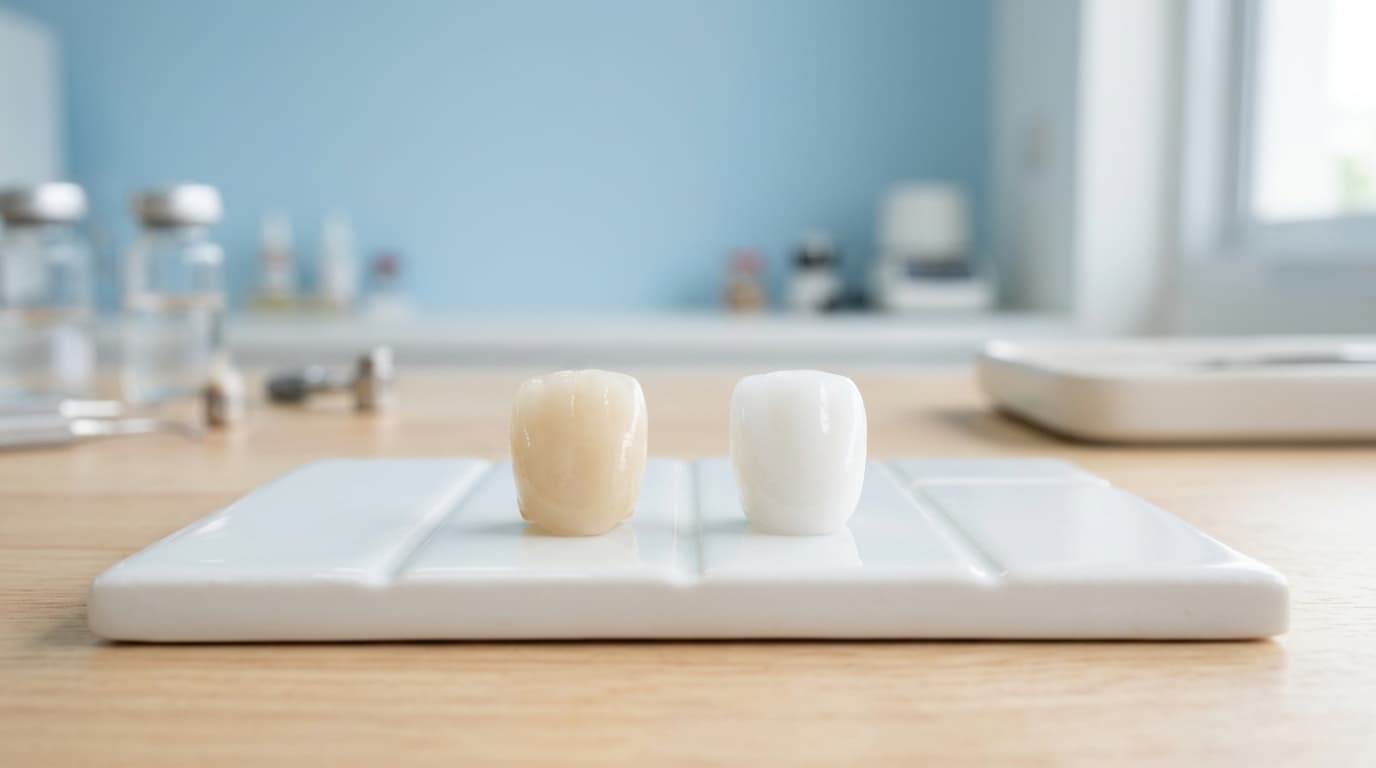
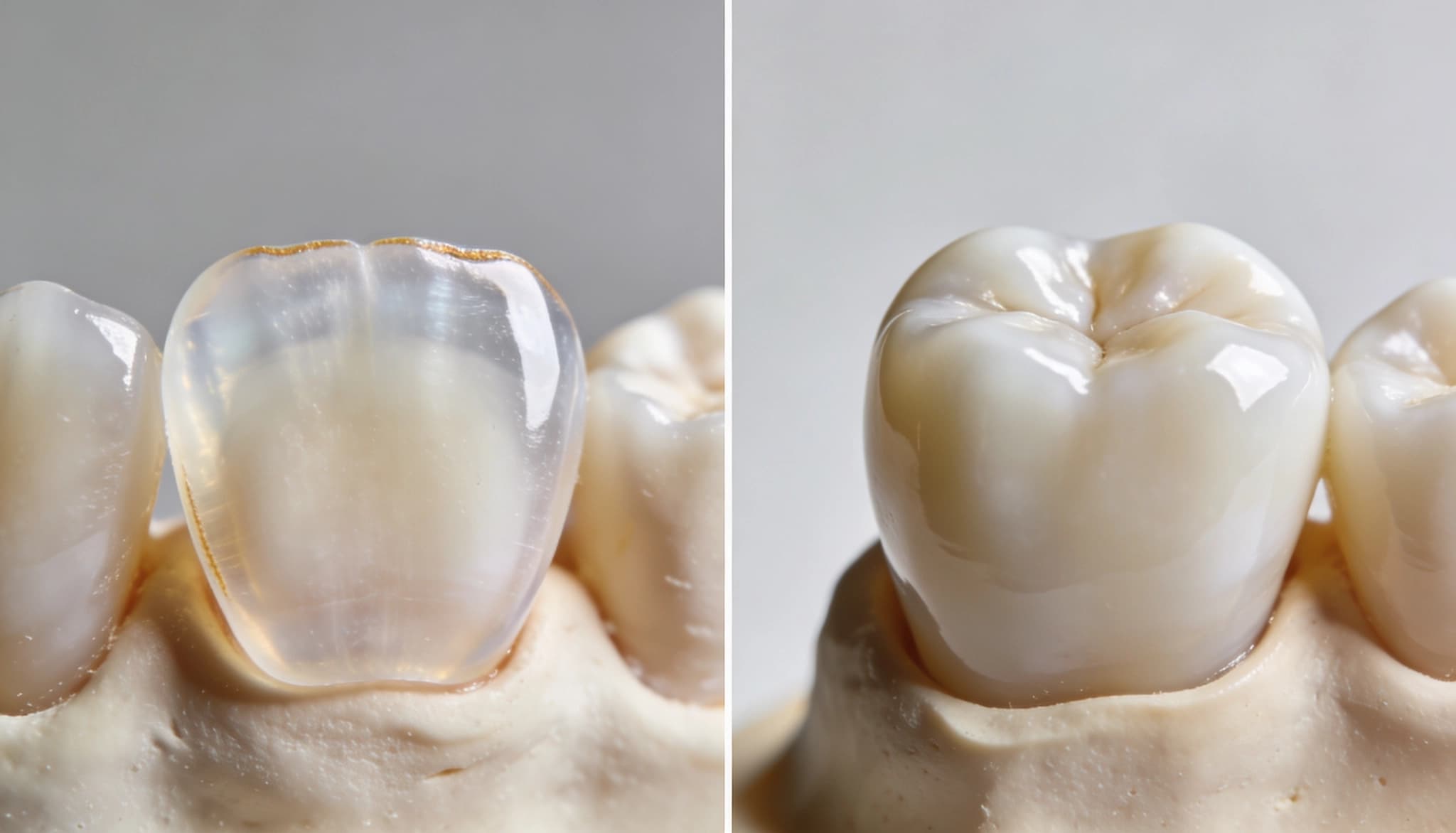
A porcelain veneer is a thin shell of ceramic. For it to sit flush against your tooth and look natural rather than bulky, a very small amount of the outer enamel is smoothed away first, usually around 0.5mm. That is about the thickness of a fingernail.
- Enamel has no nerve endings of its own, so the reduction itself is not where pain comes from. What you might feel is vibration and water spray, similar to a cleaning, which is why the area is numbed first.
- That enamel does not grow back, so porcelain veneers are considered permanent, which we explain honestly in are veneers permanent.
Composite veneers are different. The material is built up directly onto the front of your tooth and sculpted by hand, so in many cases little or no enamel needs to be removed at all. If you are nervous specifically about your teeth being touched by a drill, this is worth knowing.
We break down the trade-offs in full in our guide to composite versus porcelain veneers, because comfort during prep is one real difference between the two. If you want to see how much enamel each option needs, our rundown of veneer materials compared covers prep depth alongside look and lifespan.
A quick way to picture how much enamel is involved:
| Veneer type | Typical enamel removed | Anaesthetic usually needed? | From (per tooth) |
|---|---|---|---|
| Composite | None to very little | Often not | $120 |
| Porcelain | Around 0.5mm, a fingernail's thickness | Yes, for comfort | $355 |
The numbers matter because the amount of preparation is closely tied to how much you feel. Less reduction generally means less sensation and faster settling afterwards.
It is also worth being clear about what we do not shave for. We do not grind teeth down to small pegs the way some viral photos online suggest. That look comes from crowns, which wrap the whole tooth, not from the conservative veneer prep we do. If you want to see the kind of natural result this approach produces, our veneer results gallery shows real cases.
The preparation visit: does the appointment hurt?
This is the longest visit, and the one most people picture when they imagine pain. Here is the sequence.
First, the area is numbed with local anaesthetic. The only sensation that can sting is the initial injection, and even that is usually brief because a numbing gel is applied to the gum first. Once the anaesthetic takes hold, the tooth and surrounding gum go quiet.
From that point on, the prep is about pressure, not pain. You may feel:
- Gentle vibration as the enamel is shaped
- A cool spray of water
- Some pushing as impressions or a digital scan are taken
Patients very often say it felt easier than a routine filling. If at any moment something feels sharp, you tell us and we top up the anaesthetic. There is no prize for sitting through discomfort.
One thing to flag honestly: if a tooth has a problem under the surface, such as an active infection or a tooth that needs root canal treatment, that has to be sorted out before any veneer goes on. We do not place veneers over an untreated problem, because that is exactly the kind of thing that leads to pain later.
Root canal work is not something we do ourselves: we refer you to a specialist for that step first, so the tooth is healthy and quiet before we shape it. Starting from a sound foundation is a big part of why the process stays comfortable.
Living in temporaries between visits
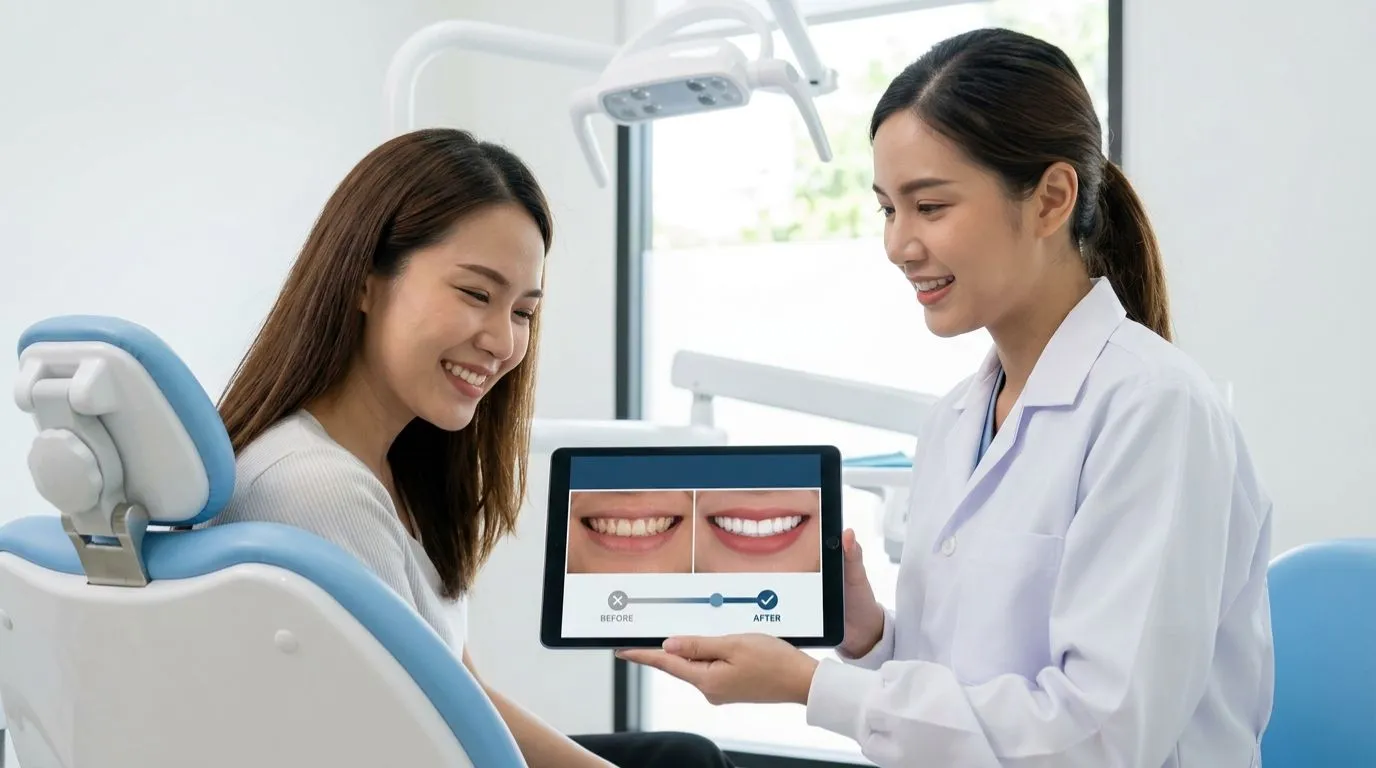
If you have porcelain veneers made, there is usually a short gap while the shells are crafted. At our on-site lab this turnaround is fast, but you will wear temporary veneers in the meantime so your teeth are never left exposed.
Temporaries are comfortable for normal life, but they are not the finished article, so a few sensations are normal and not a cause for worry:
- Mild sensitivity to very hot or very cold drinks
- A slightly different feel when your teeth meet
- The occasional temporary feeling a touch rough at the edge
None of this is the sharp pain people fear. It is the kind of thing you notice for a day or two and then forget. Cold water and very chewy or sticky foods are the main things to go gently with until your permanent veneers are fitted.
The fitting visit: usually the easy one
Here is the part that surprises people. Bonding the final veneers on is typically the most comfortable appointment of all, and it often needs no anaesthetic at all. What actually happens:
- Fit and colour check. Your dentist verifies each veneer against your smile before anything is bonded.
- Bonding. The tooth surface is cleaned and each veneer is set in place with a curing light. You feel light pressure and a little tidying of the edges.
- Bite adjustment. You tap your teeth together and gently grind side to side so any high spots can be polished down.
Many patients describe walking out feeling like they had a polish rather than a procedure.
The bite adjustment is the only sensation worth mentioning. It is not painful, but it does feel slightly unfamiliar at first, like your teeth are meeting in a new way. Within a day or two your mouth adjusts and you stop noticing it. Taking the time to fine-tune the bite here is what prevents soreness and pressure later, so it is worth not rushing.

Sensitivity afterwards: what is normal and what is not
It is completely normal to have some sensitivity in the first few days after your veneers are fitted, especially to hot and cold. Your teeth are simply settling. For most people this is mild and fades within a few days to a week, and a standard over-the-counter pain reliever is more than enough if you need anything at all.
A few simple things help in that first week:
- Stick to lukewarm food and drinks for a day or two
- Use a toothpaste made for sensitive teeth if cold bothers you
- Avoid biting hard objects like ice or pen caps
Here is the honest line on what is not normal:
- ❌ sensitivity that gets worse instead of better
- ❌ a constant throb
- ❌ pain when you bite down after the first week or two
Any of those is worth a call to your dentist, not something to wait out. Properly placed veneers should feel like your own teeth.
This is also why who does the work matters. Veneers placed conservatively by an experienced cosmetic dentist, with a written warranty behind them, are far less likely to give you trouble. We cover what protection to look for in our guide to the veneer warranty in Thailand.
Will it hurt more if I have a lot of dental anxiety?
Anxiety is real, and it changes how pain is experienced. The good news is that the comfort of veneers does not depend on being brave. A few things make a genuine difference:
- Tell your dentist you are anxious before you start, not during
- Agree a hand signal that means "pause"
- Ask exactly what is happening at each step so nothing is a surprise
Veneers are also elective, which means there is no rush. You set the pace. If you are still deciding whether they are the right route for you at all, our overview of who makes a good candidate for veneers walks through the questions to ask first. And if cost is part of the picture, our breakdown of veneer prices in Thailand lays it out plainly.
Conclusion
Getting veneers is far more comfortable than most people expect. The preparation is numbed, the fitting is usually painless, and the only discomfort most people meet is a few days of mild sensitivity that settles on its own. The fear is almost always bigger than the reality.
If you would like to know exactly what your own case would involve, the best next step is to talk it through with someone who can look at your teeth. Send us a few photos and we will give you straight answers about your smile, your timeline, and your comfort.
Was this article helpful?