 Written by Dr. Nan
The fear is easy to picture. You have flown home from Bangkok with a new smile, and a few months later a veneer chips on a forkful of something hard. The clinic is now a long flight away. What happens next, and who pays for it? This is one of the most common reasons people hesitate before booking dental work abroad, and it deserves a straight, honest answer rather than a sales pitch.
A veneer warranty in Thailand is a written guarantee that the clinic will repair or replace a veneer that fails under normal use within a set period, usually one to two years. A responsible clinic gives you these terms in English before you pay, assesses most problems remotely from photos, and tells you honestly whether you need to fly back or whether a local dentist can handle a quick fix. At our Bangkok clinic, composite veneers start at $120 and porcelain at $355 per tooth, and the price includes a written warranty against fracture and debonding. What follows is how these warranties actually work, what voids them, and exactly what to do if a veneer fails after you get home.
If you want the full picture of the procedure first, our complete guide to veneers in Bangkok walks through everything from the remote consultation to the final fitting. This article focuses on the one question that worries people the most: what protects you after you leave.
How a dental veneer warranty actually works
A warranty is not insurance, and it is not a promise that nothing will ever go wrong. It is a written agreement that defines two things: what the clinic will fix for free, and for how long. Get those two things in writing, in English, before any work begins, and most of the anxiety around dental tourism disappears.
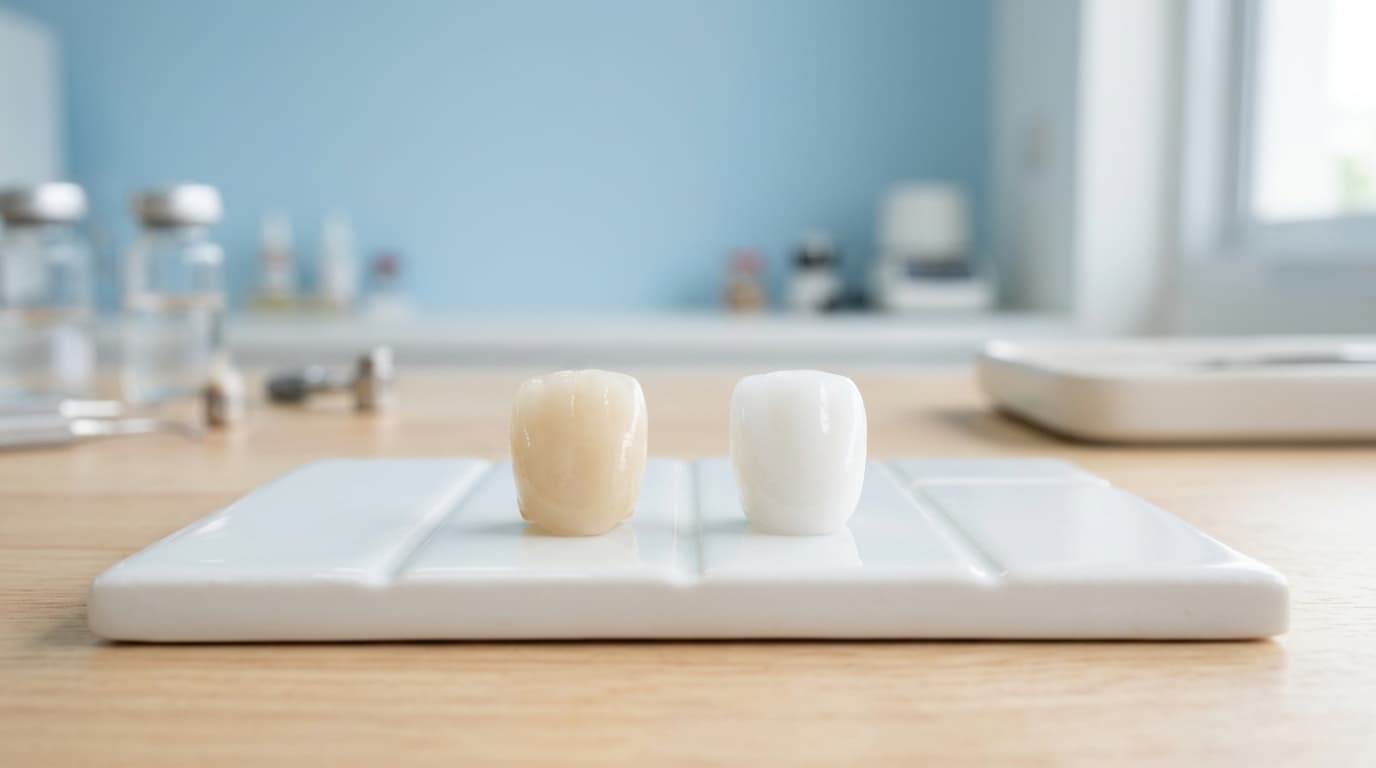
There are really two layers of cover, and it helps to know the difference. The first is the lab and clinic warranty on the workmanship, which is what the clinic itself stands behind. The second is the manufacturer warranty on the material, the ceramic or composite itself, which covers a genuine manufacturing defect rather than how the veneer was used. For a patient, the clinic warranty is the one that matters day to day, because a clean fracture or a debond is far more common than a flaw in the material.
Typical warranty periods in Thailand run from six months on composite veneers up to one or two years on porcelain. A shorter period is not automatically a worse clinic, but the terms should be specific. A real warranty tells you what counts as a covered failure, what you would pay if anything, and how to make a claim from another country. A vague verbal "do not worry, we look after you" is not a warranty, and you should treat it as if there is none.
Realistic veneer lifespans: what to actually expect
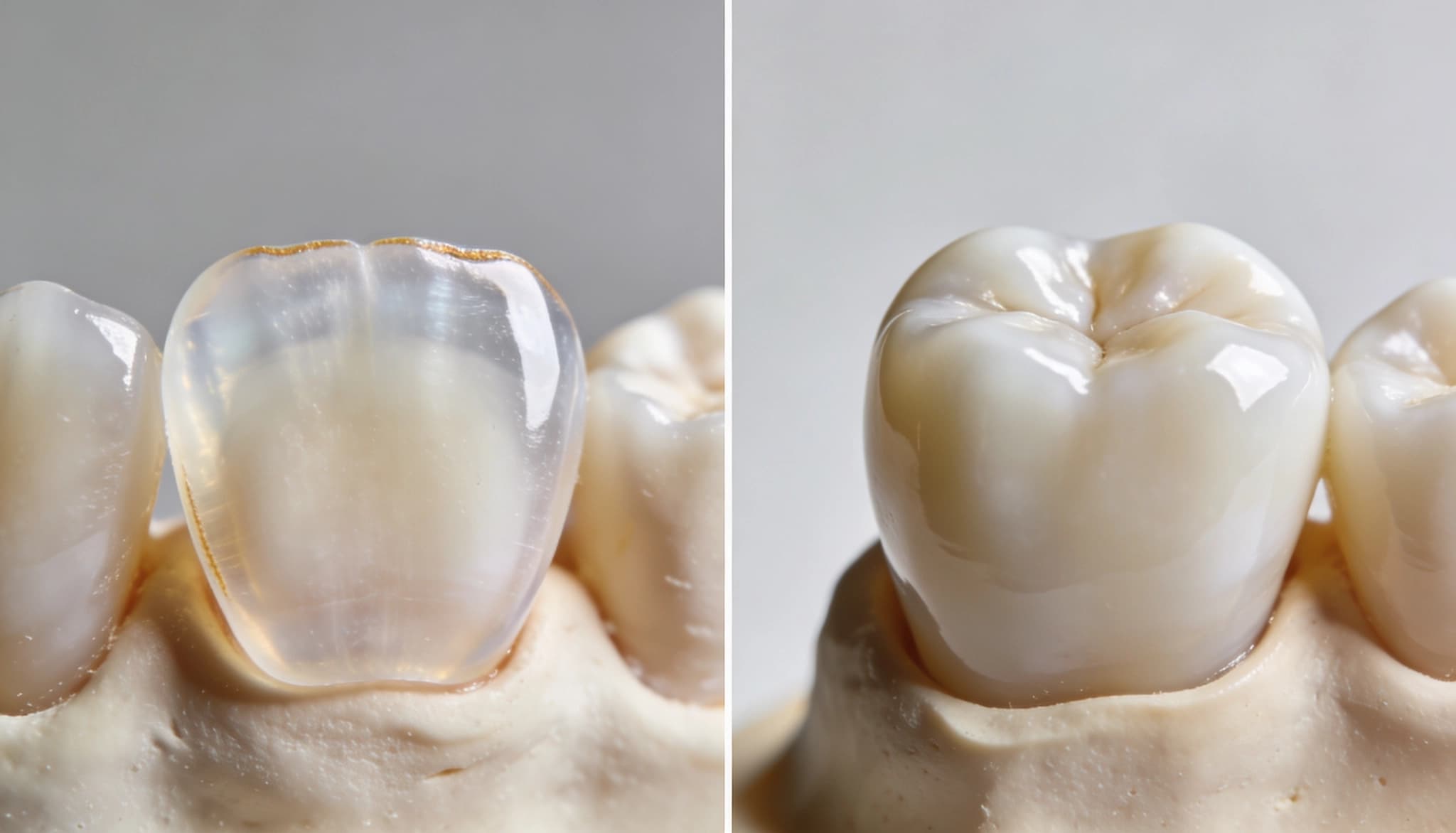
Before worrying about breakage, it helps to know how long veneers are built to last, because a warranty period and a lifespan are not the same thing. Porcelain veneers, placed well on healthy teeth, commonly last ten to fifteen years and often longer. Composite veneers are more affordable and quicker to fit, but they are softer, so they typically last five to seven years before they need refreshing or replacing. Neither is permanent, and any clinic that tells you a veneer lasts forever is overselling.
The biggest factor in how long yours last is not the country you had them fitted in. It is how conservatively your teeth were prepared, the quality of the material, and how you care for them afterwards. A veneer bonded to well-preserved enamel by a careful dentist will outlast one rushed onto an over-ground tooth every time. It also helps to know before you travel whether your teeth and gums are sound enough to bond to in the first place, which our guide on whether you are a candidate for veneers walks through honestly. If you are weighing the two materials on durability and cost, our side-by-side guide to composite versus porcelain veneers breaks down how each one holds up over the years.

What voids a veneer warranty
This is the part clinics rarely explain clearly, and it is the part you most need to understand. A warranty covers failure under normal use. It does not cover damage you cause, and knowing the difference saves you from a nasty surprise at claim time.
The common exclusions are consistent across reputable clinics worldwide:
- Trauma and accidents. A veneer cracked by a sports injury, a fall, or a car accident is not a workmanship failure, so it is not covered.
- Biting hard objects. Chewing ice, opening packaging with your teeth, or biting pens and fingernails will chip a veneer, and that is on the patient.
- Untreated grinding. If you grind your teeth at night and were advised to wear a night guard, a fracture caused by grinding without one usually voids the cover. A good clinic will flag this risk and fit you for a guard.
- Skipped check-ups and cleaning. Almost every dental warranty in the world requires evidence of regular professional cleaning and check-ups, often once or twice a year. Neglect leads to gum problems that undermine the veneer, so the clinic cannot be held responsible.
- Decay under the veneer from poor hygiene. A veneer protects the front of the tooth, not the whole tooth. Decay caused by neglect is not a manufacturing fault.
None of this is unique to Thailand. A private clinic in London or Sydney applies the same exclusions. The point is simply to read your terms, keep up your hygiene visits, and wear a night guard if you are a grinder, so that if something does fail you are squarely inside the cover.
What to do if a veneer chips or debonds at home
If a veneer fails after you fly home, do not panic, and do not reach for the superglue. Household glue is not safe for the mouth and will ruin the tooth surface, making a proper repair harder. Here is the calm, sensible sequence.
First, if a whole veneer has come off in one piece, keep it. Rinse it, wrap it in tissue or pop it in a small container, and keep it safe, because an intact veneer can sometimes simply be re-bonded. If it has cracked or shattered, save the pieces anyway so your dentist can see exactly what happened.
Second, photograph it and message your clinic. This is where a clinic with a proper remote process earns its place. A good Bangkok clinic will look at your photos, tell you honestly how serious it is, and explain your options. Many minor issues, a small chip or a clean debond, can be assessed this way within a day.
Third, you choose between two routes, and a responsible clinic helps you decide rather than insisting you fly back:
- Local repair. A composite chip can often be smoothed or patched by any local dentist in a single short visit, sometimes for a modest fee. For small cosmetic touch-ups this is usually the fastest and cheapest option, and the clinic that placed your veneers should tell you when this is the sensible call.
- Return to the clinic. Porcelain cannot be patched the way composite can, so a fractured porcelain veneer needs a remake. If your warranty covers it, the clinic provides the new veneer free or at cost, though you would still arrange your own travel. Where this matters is if you were already planning a trip, or if several veneers are involved and a proper remake is worth the journey.
The honest reality is that a clinic far away cannot fix a chip the same afternoon, and any clinic claiming otherwise is not being straight with you. What a good clinic can do is assess the problem quickly, cover the cost of genuine failures, and guide you to the most practical fix wherever you are.
What a responsible Bangkok clinic actually offers
The difference between a stressful experience and a manageable one comes down to what the clinic puts in place before you ever travel. Here is what to look for, and what we provide.
| What to look for | What it means for you |
|---|---|
| Written warranty in English, given before you pay | You know exactly what is covered and for how long, with no surprises |
| Remote photo assessment after you fly home | Most problems are judged within a day without booking a flight |
| Honest advice on local repair versus return | You are not pushed back to Bangkok for a fix a local dentist can do |
| On-site lab | A remake is faster because the technician and dentist work together, not through an outsourced factory |
| Conservative tooth preparation | Veneers bonded to preserved enamel fail far less often in the first place |
| A direct line to the dentist, not only an agent | If something goes wrong you reach a clinician who knows your case |
The clinics that genuinely stand behind their work are happy to put it in writing, because they rarely have to use it. Strong materials and conservative preparation mean failures are uncommon to begin with. The number of veneers you have also shapes how you think about cover, and our guide to how many veneers you actually need helps you scope the treatment before you weigh the warranty. If you want to understand why placement quality matters so much for longevity, our guide to porcelain veneers in Thailand explains what you are paying for, and our wider look at whether veneers in Thailand are safe covers how to vet a clinic on every front, not just the warranty. To see the standard of finish a careful clinic produces, browse our veneer results gallery.
One honest note on scope. A veneer covers the visible front of a healthy tooth. If a tooth has a deeper problem that needs root canal treatment, that must be dealt with before any veneer goes on, and a responsible clinic will tell you so rather than cover over it. We do not carry out root canal treatment ourselves, so we would refer you for that step first. A clinic that flags this is one that is protecting your long-term health, not just closing a sale, and that same attitude is what makes its warranty worth having.
The bottom line
A veneer breaking after you fly home is a real possibility, but it is a manageable one when you have chosen the right clinic. A clear written warranty, a remote assessment process, honest advice on whether to repair locally or return, and conservative work that rarely fails in the first place: those four things turn a frightening scenario into a minor inconvenience. The patients who get stuck are almost always the ones who chased the cheapest price at a clinic with no warranty and no way to reach the dentist afterwards.
Ask for the warranty in writing before you book, keep up your check-ups, wear a night guard if you grind, and the worst case becomes a small fix rather than a disaster. To talk it through with the dentist who would actually treat you, start with our guide to veneers in Bangkok or BOOK A FREE CONSULTATION and we will give you an honest read on your case, warranty terms included, with no pressure to book.
Was this article helpful?