 Written by Dr. Nan
Planning a dental crown abroad raises one very practical question before anything else: how many times do you actually need to sit in the chair, and how many days in Bangkok should you set aside? If you are flying in from Australia, the UK, Canada or the Gulf, that answer shapes your flights, your hotel nights and your whole itinerary.
If you want the full picture of materials, pricing and what a crown actually does, our dental crown treatment in Bangkok page walks through every option. Below we focus purely on the timeline and how to plan the trip.
The standard timeline: 2 visits, one lab in between
For the vast majority of cases, a quality crown is made the proven way:
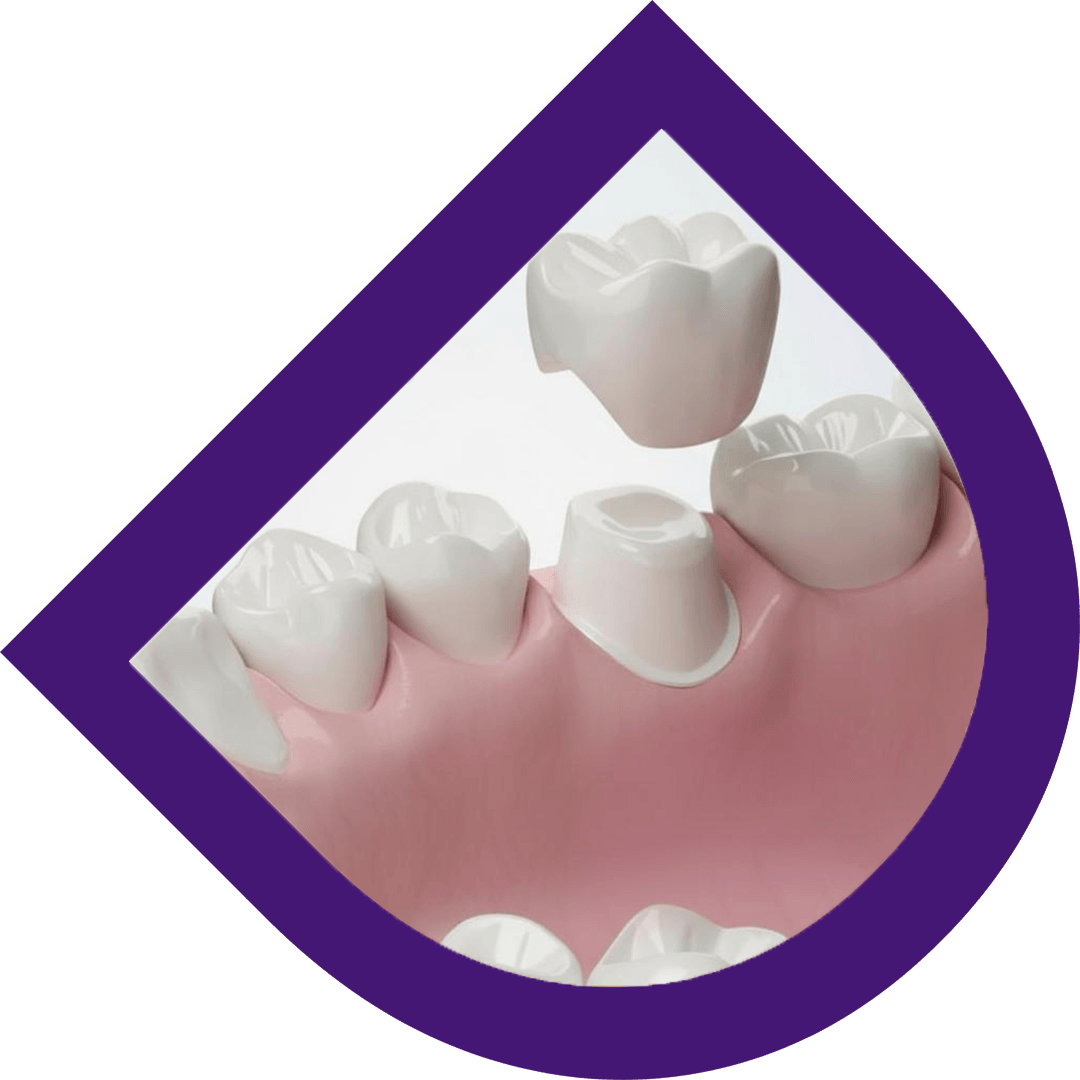
- Visit 1: your tooth is prepared and a digital scan goes to the dental laboratory.
- The lab window: a technician builds a crown that fits your bite precisely and matches the colour of your neighbouring teeth.
- Visit 2: the finished crown is bonded into place.
That is why almost every reputable clinic, in Bangkok or anywhere else, describes a crown as a two-visit treatment.
The gap between the two visits is simply lab time. Rushing that step is where cheap crowns go wrong. Because we run our laboratory on-site, we keep that turnaround tight, typically a few working days rather than the two to three weeks many overseas patients are quoted at home.
You may have read about same-day crowns made by an in-chair milling machine while you wait. That technology does exist and can suit some straightforward single-unit cases, but it is not the right fit for every tooth. For trip planning, it is safest to budget for the standard two-visit lab process and treat anything faster as a bonus rather than a promise.
Same-day crown versus lab crown: how the timelines compare
Both routes end with a bonded, functional tooth. They differ in how the crown is produced and in how forgiving the schedule is, which is the part that matters when you are booking flights:
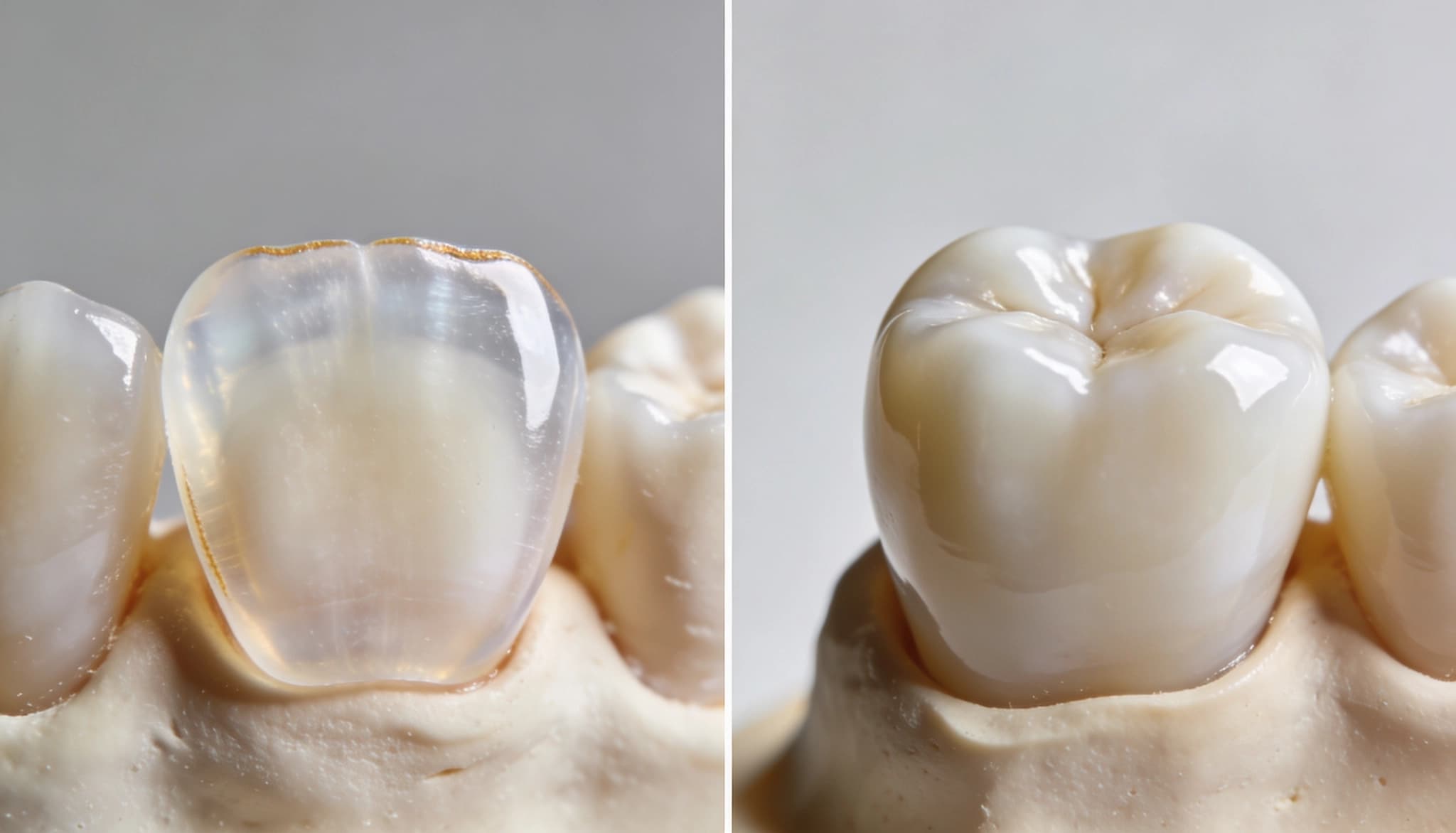
- ✅ Lab crown. Shaped over a few working days by a technician who can layer the colour, refine the contacts with neighbouring teeth and check the shade under different light. That hands-on stage is what gives a crown a natural, blended look, especially on a front tooth. The trade-off is the gap between your two visits.
- ✅ Same-day crown. Milled from a single block in the clinic, so a suitable single-unit case can be finished in one longer appointment, with no lab wait and no temporary. The honest limitation: it suits some teeth and not others. A heavily restored tooth, a case where colour blending is critical, or a multi-unit plan is usually better served by the lab route.
Our specialist tells you at the consultation which path your tooth actually qualifies for rather than promising the faster option sight unseen. If you want the detail on how the in-chair process works and where it fits, see our guide to same-day crowns in Thailand.
The practical takeaway for planning: book your trip around the two-visit lab timeline. If your case turns out to suit a same-day crown, you simply finish earlier and free up the days you had set aside.
What happens at visit 1
Your first appointment is the longest, usually around 60 to 90 minutes per tooth. Here is what it covers:
- Consultation and assessment. Our specialist examines the tooth, takes digital images or X-rays, and confirms a crown is the right choice. If decay is deep or the nerve is involved, the tooth may first need root canal treatment, which we do not perform in-house and would refer out before crown work begins.
- Tooth preparation. Under local anaesthetic, the tooth is gently shaped so the crown can sit over it. You stay comfortable throughout.
- Digital scan or impression. We capture a precise 3D model of the prepared tooth and send it to the lab. Digital scanning is more comfortable and more accurate than the old putty trays.
- Temporary crown. A temporary crown is fitted to protect the tooth, so you can eat, talk and smile normally between visits.
You leave visit 1 with a working temporary crown and a fitting date for the permanent one. For a closer look at what each of these steps feels like in the chair, see our step-by-step dental crown procedure guide.
Living with the temporary crown between visits
The few days between appointments are yours to enjoy Bangkok. The temporary crown is made of a softer material and is meant to last only a short while, so a little care goes a long way:
- Chew on the other side where you can, and skip very sticky or very hard foods.
- Floss gently and pull the floss out sideways rather than straight up, so you do not lift the temporary off.
- If the temporary feels loose or comes off, call the clinic. It is a quick re-cement, not an emergency, but you want the tooth protected.
A small amount of sensitivity to hot or cold is normal in the first day or two and settles down.
For many patients this in-between window is exactly when they explore the city, which is part of why a dental trip to Thailand can feel more like a holiday than a medical visit. Our overview of dental tourism in Thailand covers how to make the most of that downtime.
What happens at visit 2
The second visit is short and easy, often 30 to 45 minutes:
- The temporary crown is removed.
- Your permanent crown is tried in and checked for fit, bite and colour against the teeth around it.
- Any tiny adjustment is made so it feels natural when you close and chew.
- Once it looks and feels right, the crown is permanently bonded with dental cement.
That is it. You walk out with a finished, fully functional tooth. There is no numbness to wear off in most cases, and you can usually eat normally within an hour or two.
Bangkok crown timeline at a glance
| Day | What happens | In the chair |
|---|---|---|
| Day 1 | Arrive, settle in, rest after the flight | None |
| Day 2 (Visit 1) | Consultation, tooth preparation, digital scan, temporary crown fitted | 60 to 90 min |
| Days 3 to 5 | Lab crafts your custom crown on-site; you explore Bangkok | None |
| Day 6 or 7 (Visit 2) | Permanent crown checked, adjusted and bonded | 30 to 45 min |
This is the typical pattern for a single crown or a small number of crowns. A full-mouth case of 10 to 12 crowns follows the same two-visit logic but needs a longer overall stay, which we map out individually at the free consultation.
How many days in Bangkok should I book?
For one to a few crowns, plan a stay of about 5 to 7 days. That gives you:
- an arrival and rest day,
- visit 1 early in the trip,
- a comfortable lab window of a few days,
- visit 2 with a day or two of buffer before you fly.
Booking your two appointments near the start and end of the trip, rather than back to back, is the single best way to protect yourself. It leaves room for any minor adjustment without forcing a rushed fitting on your last morning.
If you are weighing the overall budget for the trip, our guide to crown costs in Thailand breaks down what to expect beyond the per-tooth price, and if you are still choosing a material, zirconia versus E-max crowns explains which suits front teeth versus back teeth.
A quick note on what could change the timeline: a tooth that needs root canal treatment first, or a complex multi-unit case, will add appointments and days. We confirm your exact plan in writing after the consultation, so there are no surprises mid-trip.
Trip-planning scenarios: one tooth versus several
How many days you really need depends on how many teeth you are treating and on the shape they are in when you arrive. A few common situations:
- A single straightforward crown. This is the cleanest case. Two visits, a few days of lab time in between, and a 5 to 7 day stay covers it comfortably. You have plenty of room to see the city between appointments.
- Two to four crowns at once. These can usually be prepared in the same first visit and fitted together at the second, so the trip length barely changes. The first appointment runs longer, but you are still looking at the same two-visit rhythm and a stay of roughly 5 to 7 days.
- A full-mouth case of 10 to 12 crowns. This follows the same two-visit logic but asks for a longer overall stay, often closer to 10 to 14 days, so each stage has the time it deserves. We map out the exact sequence individually at the free consultation rather than forcing it into a fixed template.
- A tooth that needs work before the crown. If a tooth needs a build-up to rebuild lost structure, or root canal treatment first, that step happens before preparation and adds time. More on this below.
Whatever the mix, the single most useful planning habit is to set your first appointment near the start of the trip and your fitting near the end, leaving a buffer before your flight home.
What can extend your crown timeline
Most crowns run on the clean two-visit schedule above. A few situations add an appointment or a day, and it is better to know about them before you book than to discover them mid-trip:
- A tooth that needs a build-up. If a large old filling or decay has left little solid tooth to hold a crown, the tooth may first need a core build-up to rebuild that base. This is often done in the same preparation visit, but a more involved case can add a short extra step.
- Root canal treatment first. When the nerve is involved or there is deep decay, the tooth needs root canal treatment before it can be crowned. We focus on the crown and do not perform root canal work in-house, so we refer that step out and then place the crown once the tooth is settled. This is the most common reason a timeline lengthens, which is exactly why we assess it at the consultation and put your real plan in writing.
- Shade or fit refinement. Occasionally a crown is tried in and the bite or colour needs a small tweak, so it goes back to the lab briefly. Building a day or two of buffer before your flight absorbs this without any stress.
- A larger multi-unit plan. More units mean more chair time and, for full-mouth work, a longer stay so nothing is rushed.
None of these are surprises if they are planned for. The point of the consultation is to find them early so your itinerary reflects your actual tooth, not an average one.
Why two well-spaced visits beats a rushed crown
It can be tempting to chase the fastest possible option, but a crown is a 10 to 15+ year restoration, and our guide to how long dental crowns last shows why a careful fit is what gets you to the long end of that range.
The few days of lab time are what buy you:
- an accurate fit that does not irritate the gum
- a natural colour match checked against your real teeth
- a specialist-placed crown made in our own on-site laboratory
- a written 1-year warranty against fractures, with free replacement except in cases of improper use
That is the standard worth planning your trip around.

Conclusion
A crown in Bangkok is a two-visit treatment: prepare and scan early in your trip, bond the permanent crown near the end, with our on-site lab working in between. Book 5 to 7 days for one to a few crowns, put a buffer day before your flight, and the schedule takes care of itself.
Tell us how many teeth you are thinking about and roughly when you would like to travel. Send us a few photos and we will map out your exact visit schedule, stay length and a personalised quote before you book a single flight. Full materials and pricing are on our dental crown in Bangkok page.
Frequently Asked Questions
Can I get a dental crown in one visit in Bangkok?
For some straightforward single-unit cases, yes, same-day crown technology can finish in one longer appointment. For most crowns, and especially front teeth where colour matching matters, the proven two-visit lab process gives the better result. Plan for two visits and treat a same-day finish as a bonus if your tooth qualifies.
How long is the gap between the two visits?
Usually a few working days. Because our laboratory is on-site, we keep that lab window tight, typically 3 to 5 days rather than the two to three weeks many patients are quoted at home. That gap is simply the time a technician needs to build a crown that fits and matches precisely.
What happens if my crown needs an adjustment on the last day?
This is exactly why we suggest booking the fitting a day or two before you fly rather than on your final morning. If the bite or shade needs a small tweak, there is room to handle it without a rushed appointment. A buffer day is the cheapest insurance on the whole trip.
Will I have a gap in my smile between visits?
No. A temporary crown is fitted at the end of visit 1, so you can eat, talk and smile normally while your permanent crown is being made. It is made of a softer material and only needs a little care, such as chewing on the other side and flossing out sideways.
Does the price change if I need more visits?
The per-tooth crown price stays the same: $470 (16,000 THB) for an all-ceramic E-max crown and $530 (18,000 THB) for zirconia, all-inclusive of consultation, preparation, the crown and fitting. If a tooth needs root canal treatment first, we tell you upfront and refer you out for that separate step before crown work begins. For a full cost breakdown, see our guide to crown costs in Thailand.
Was this article helpful?