 Written by Dr. Nan
If you are spending good money on a crown, the first thing you want to know is how many years you will get out of it. The honest answer depends on the material, where the tooth sits in your mouth, and how well the crown was made and looked after.
Below we break down realistic lifespans by material, the real reasons crowns fail, and exactly what you can do to make yours last.
How long crowns actually last, by material
Lifespan numbers get thrown around loosely online, so here is a realistic picture based on long-term survival data rather than marketing. "Survival rate" simply means the percentage of crowns still in service after a given number of years.
| Crown material | Typical lifespan | 10-year survival | Best suited for |
|---|---|---|---|
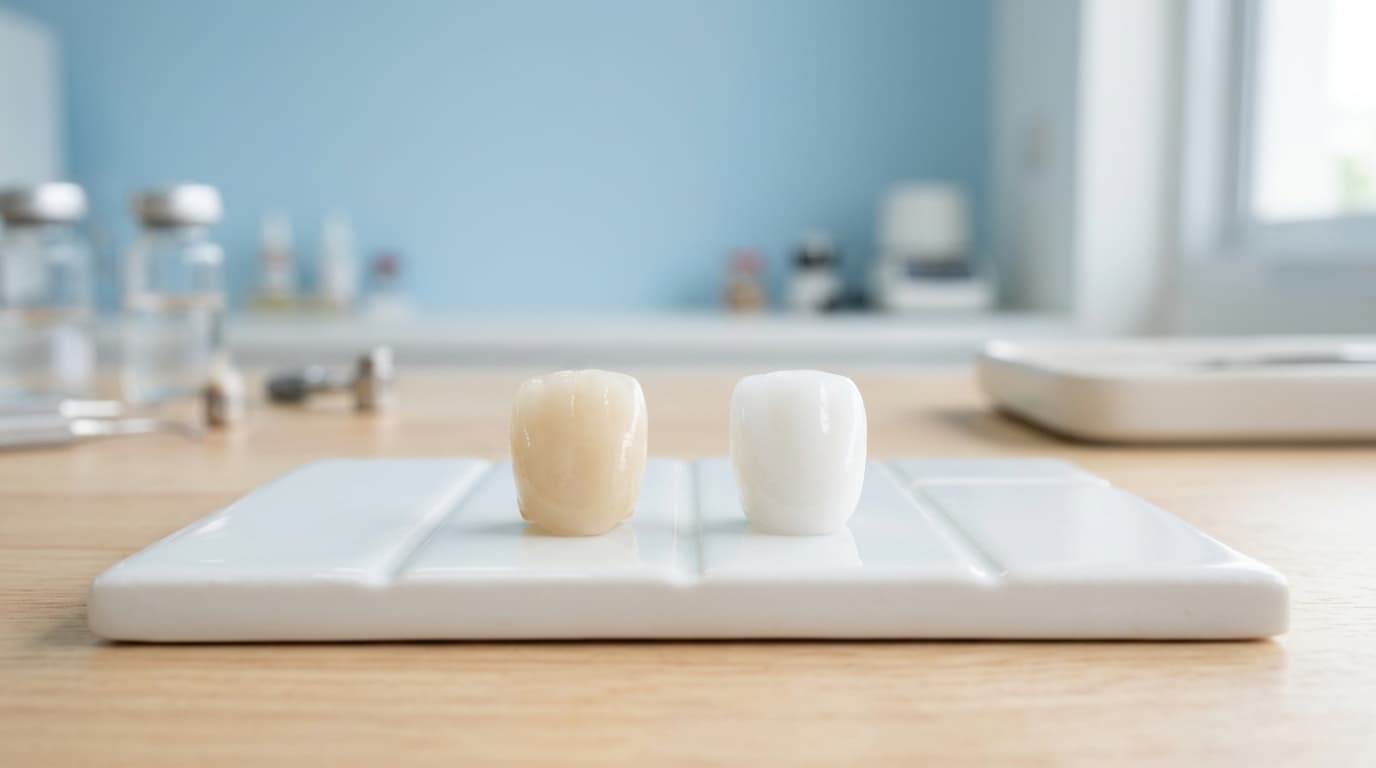
| Zirconia (full ceramic) | 15-20+ years | ~95-96% | Back teeth, grinders, anyone wanting maximum strength |
| E-max (lithium disilicate) | 10-15+ years | ~90% | Front teeth, smile makeovers, best aesthetics |
| Porcelain-fused-to-metal | 10-15 years | ~90% | Older standard, can show a dark gum line over time |
| Gold alloy | 20+ years | ~95% | Out-of-sight molars, rarely chosen for looks |
Two takeaways matter here:
- The modern metal-free options, zirconia and E-max, hold up just as well as the old metal-based crowns while looking far more natural.
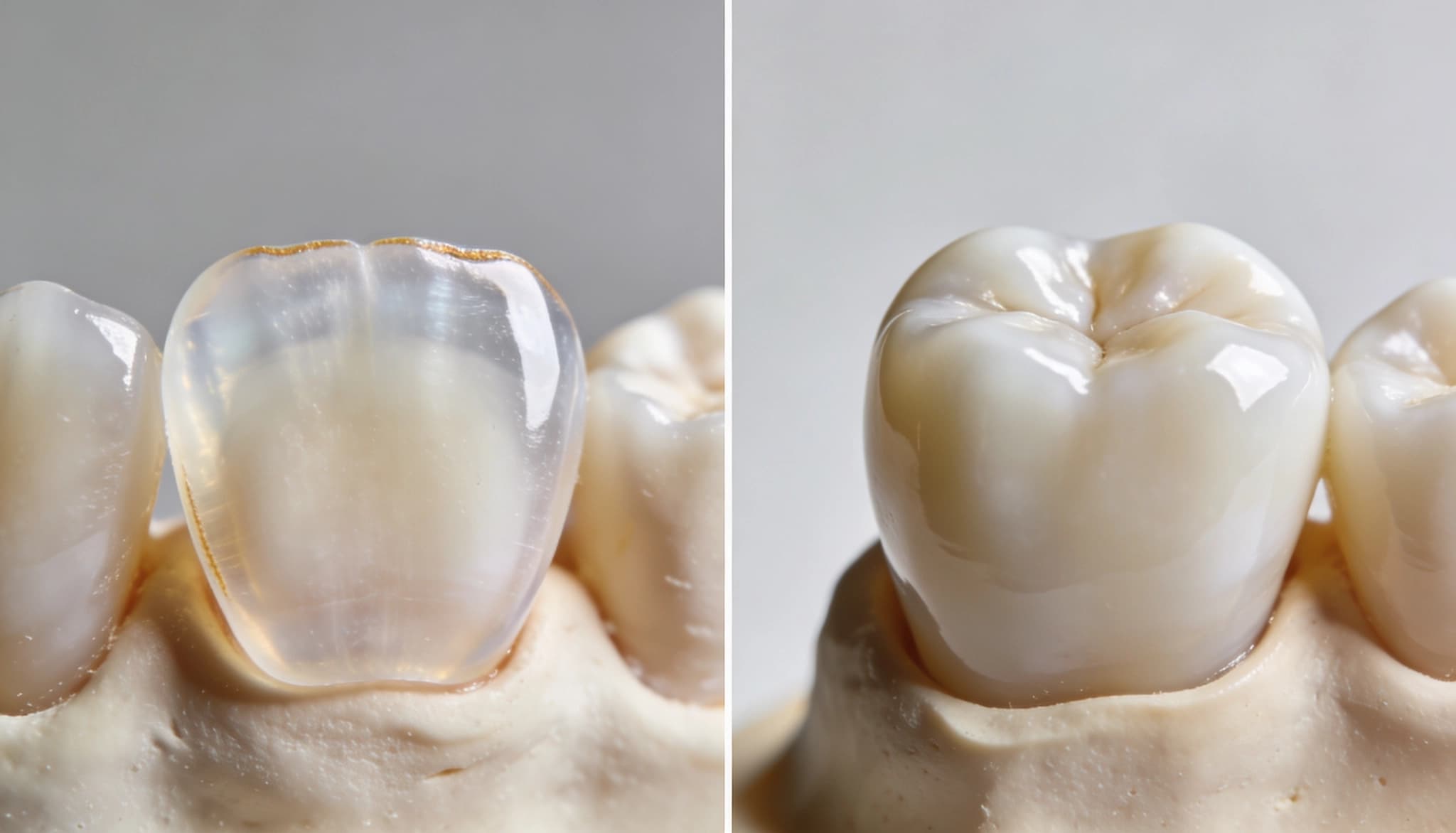
- The zirconia vs E-max difference is mostly location and priorities, not a huge gap in years. Zirconia is the stronger choice for molars and for patients who clench or grind, while E-max gives the most lifelike translucency for front teeth.
We compare the two in detail in our guide to zirconia versus E-max crowns, and you can see how both fit into the full picture on our dental crown treatment page.
The number on this table is not a guarantee on its own. A perfectly chosen material can still fail early if the things below are not handled well.
Why crowns fail (the real reasons)
When a crown gives out, the ceramic cap itself is rarely the problem. In most cases the failure starts with the tooth or the seal around it. These are the causes we see most often:
- Decay under the margin. The single biggest reason crowns are replaced. The "margin" is the line where the crown meets your natural tooth at the gum. If plaque builds up there and you skip flossing, a cavity forms quietly under the edge where you cannot see it. The crown looks fine on top while the tooth beneath it rots. Good margin design and daily flossing prevent this.
- Cement washout. A crown is bonded with dental cement. Over years, or much faster if the fit is loose, that seal can break down and let saliva and bacteria seep underneath. A crown that suddenly feels loose or comes off should be looked at quickly, not glued back at home.
- A bite that is off. If the crown sits even slightly too high, it takes more force than it should every time you chew. Over time that overload can crack the crown, loosen it, or damage the tooth root. A few minutes of careful bite adjustment at placement prevents years of trouble.
- Grinding and clenching (bruxism). Night grinding puts enormous, repeated stress on a crown and is one of the most common reasons it chips or fractures before its time. If you grind, a night guard is not optional.
- Not enough healthy tooth left. A crown needs a solid foundation. If the underlying tooth was heavily broken down or had a large old filling, there may be too little structure for the crown to grip, and the right answer may be treating the tooth first.
On that last point: if a tooth has died or the nerve is involved, that needs to be sorted before crowning, and we cover the warning signs in our article on a dead or discoloured tooth. Our clinic does not perform root canal treatment in-house, so where a tooth needs that first we will tell you plainly and refer you before any crown work begins.
What you can do to make a crown last longer
The good news is that most of what shortens a crown's life is within your control. Patients who do these few things routinely get to the long end of the lifespan range.
- Floss the crown every day. The margin at the gum is the weak point. Clean it and decay underneath becomes very unlikely.
- Wear a night guard if you grind. This is the cheapest insurance you can buy against a cracked crown.
- Do not chew ice, pens, or hard sweets on a crowned tooth. Ceramic is strong but it is not indestructible.
- Keep your regular check-ups. A dentist can spot a failing margin or a loose edge long before you feel anything, while it is still a small fix.
- Treat the bite seriously. If a new crown feels high or "off" when you bite, go back and have it adjusted. Do not live with it.
None of this is complicated, and it costs very little compared with replacing a crown early.
Signs your crown is starting to fail
A failing crown rarely announces itself loudly until it is far gone, so it pays to know the early signals. Catch them and the fix is usually small. Ignore them and you risk losing the tooth underneath. Watch for any of these:
- Sensitivity or a dull ache in a crowned tooth, especially to hot, cold, or pressure, which can point to decay or a problem developing underneath.
- A loose or shifting feeling when you bite or wiggle the tooth with your tongue, often the first sign of cement breakdown.
- A dark line or visible gap at the gum, which can mean the margin is no longer sealed.
- A bad taste or odour around the tooth that brushing does not clear, sometimes a sign of trapped bacteria or decay under the crown.
- Pain when chewing on that side, which can mean the bite is off or the tooth root is stressed.
If you notice any of these, see a dentist sooner rather than later. A re-cement or a margin repair caught early is a quick, inexpensive visit. A neglected one can turn into a new crown or, worse, an extraction.
The warranty question for dental tourism patients
If you are flying to Bangkok for treatment, there is one worry that the average local-dentistry article never addresses: what happens if something goes wrong after you have gone home? It is a fair question and it deserves a straight answer.
- A written one-year warranty against fractures, with free replacement except in cases of clear misuse. The early months are when a genuine fit or bonding problem would show up: a crown that was going to fail because of a poor margin or a high bite tends to declare itself well within the first year, not in year ten.
- Full records to take home. Your treatment notes, the shade and material details, and your scans, so any dentist anywhere can match or service the crown without guessing.
- An on-site lab and specialists who place crowns every day. A crown made and fitted properly the first time is the one that lasts, and that is far more valuable than any warranty clause.
A lot of that comes down to how carefully the crown is made and fitted, which our step-by-step crown procedure guide walks through.

Is a crown worth it at Bangkok prices?
Plenty of patients ask whether a lower price means a shorter-lived crown. It does not. The price gap between Thailand and the West is about local costs and overheads, not about the ceramic in your mouth. The zirconia and E-max we use are the same premium materials used in top Western clinics.
| Crown type | Bangkok price | Typical lifespan |
|---|---|---|
| Zirconia crown | $530 (18,000 THB) | 15-20+ years |
| E-max all-ceramic crown | $470 (16,000 THB) | 10-15+ years |
Put simply, you are getting a 15-year restoration for a fraction of what the same crown costs at home. Spread across its lifespan, a quality crown in Bangkok works out to a very low cost per year. For a full breakdown of fees and what is included, see our guide to dental crown costs in Thailand.
Conclusion
A dental crown is a long-term restoration, not a permanent one. Expect 10 to 15 years from most crowns and 15 to 20+ from zirconia, provided the crown is well made and you look after it.
The crowns that fail early almost always do so for preventable reasons: decay at the margin, washed-out cement, a bad bite, or untreated grinding. Get those right and your crown will quietly do its job for well over a decade. You can learn more about your options on our dental crowns in Bangkok page.
If you are weighing up a crown and want a clear, no-pressure assessment, send us a few photos and our specialists will come back with a personalised plan and an honest answer on what your tooth needs.
Was this article helpful?