 Written by Dr. Nan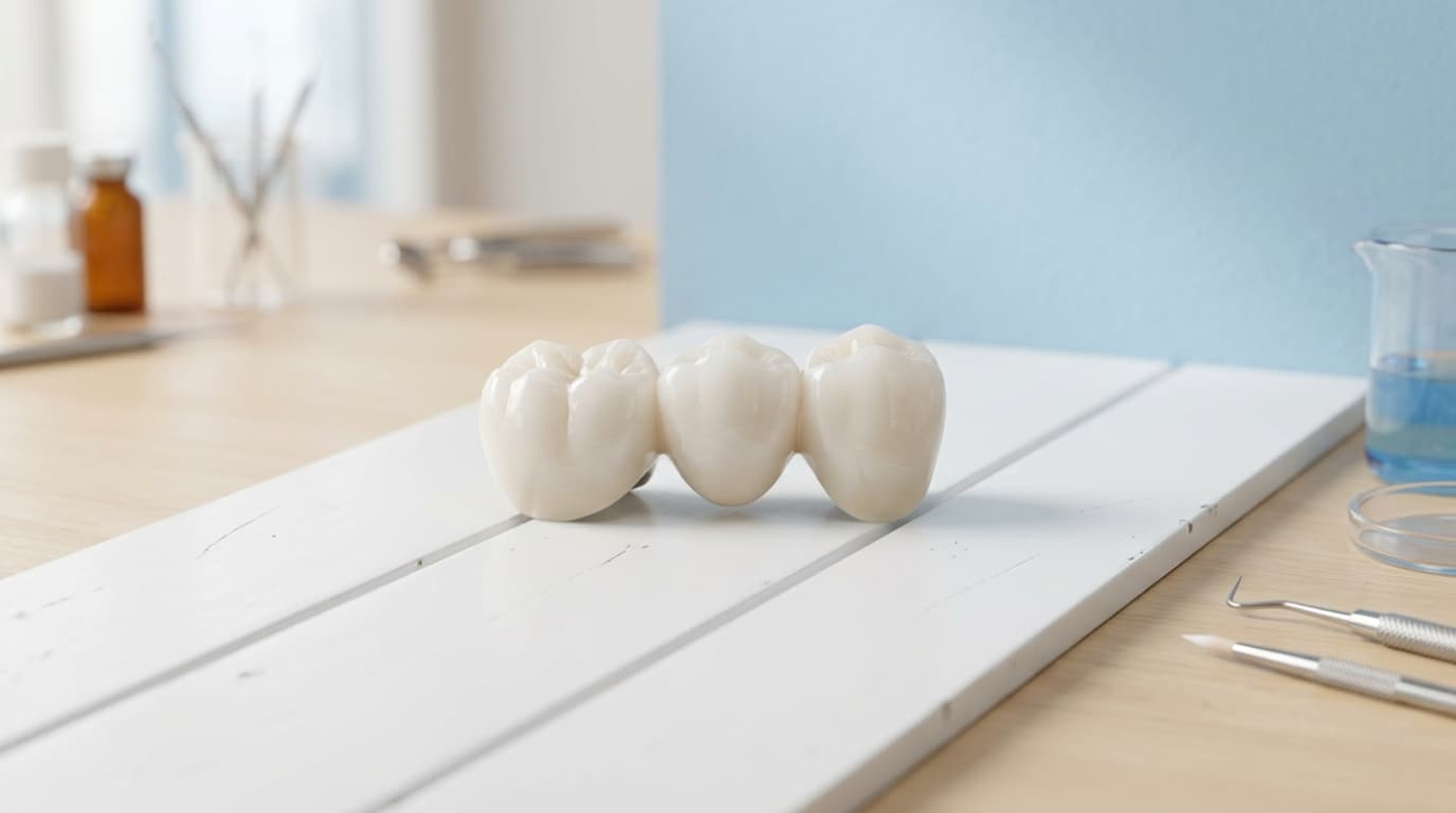
If you are missing one or more teeth and looking at Bangkok for treatment, the first question is almost always the same: how much will a bridge actually cost, and what will be on the final bill?
The honest answer depends on two things, the material and the number of units, and most price guides skip the second part entirely. This guide breaks down both so you can estimate your own quote before you ever sit in the chair.
Why a bridge is priced per unit, not per tooth
This is the single biggest source of confusion, so it is worth getting right before you compare any quotes.
A bridge does not simply replace the missing tooth. It anchors a false tooth, called a pontic, to the healthy teeth on either side of the gap. Those anchor teeth get crowns, and each crown counts as a unit. So one missing tooth means three units: a crown, the pontic, and another crown.
That is why a quote of "฿16,000" for an E-Max bridge can sound suspiciously low next to a Western "from $1,500" figure. The ฿16,000 is the price for a single unit. The real comparison is three units against the Western total.
Here is the simple math:
- One missing tooth, healthy teeth on both sides: 3-unit bridge.
- Two missing teeth in a row: usually a 4-unit bridge (two pontics, two crowns).
- Three missing teeth in a row: usually a 5-unit bridge, or an implant-supported bridge instead.
Your final quote is just the price per unit multiplied by the number of units. No hidden per-pontic and per-crown line items, which is how some price guides quietly inflate the total.
Dental bridge prices in Bangkok by material
Our clinic keeps pricing simple, with two metal-free options that cover almost every case. Both are all-inclusive, meaning the figures below already cover the consultation, tooth preparation, impressions, and final cementation.
| Bridge type | Price per unit | 3-unit bridge (1 missing tooth) | 4-unit bridge (2 missing teeth) |
|---|---|---|---|
| E-Max (ceramic) | ฿16,000 | ฿48,000 | ฿64,000 |
| Zirconia | ฿17,500 | ฿52,500 | ฿70,000 |
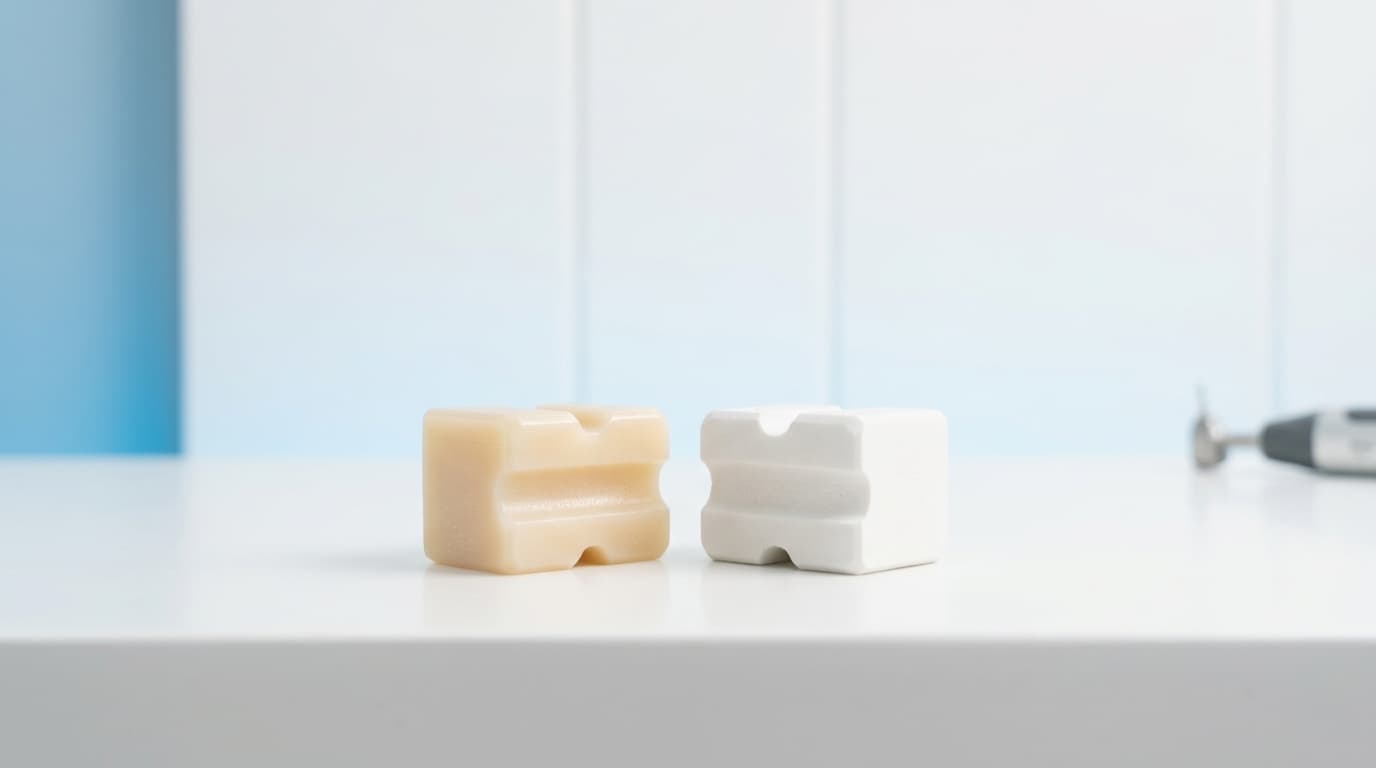
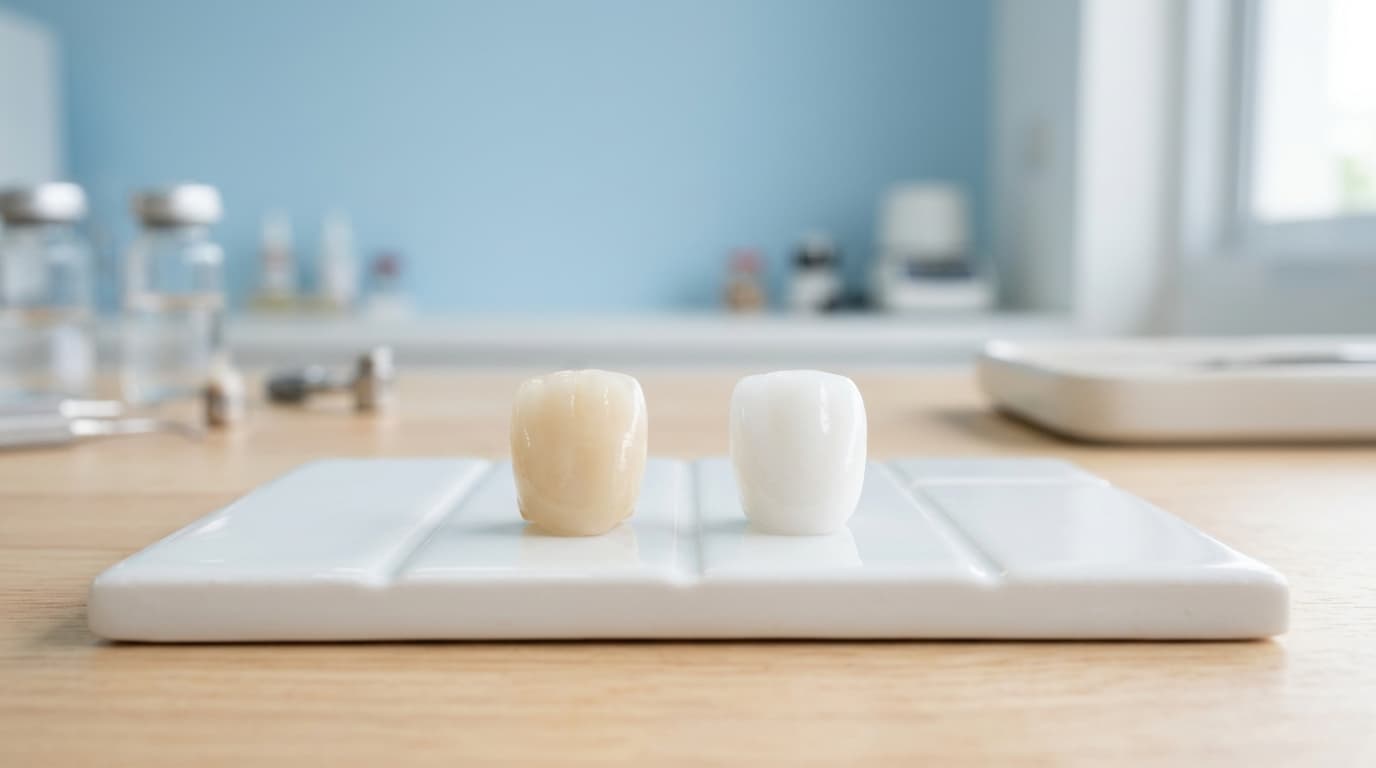
- E-Max is a glass ceramic prized for its natural translucency, which makes it a strong choice for front teeth where looks matter most.
- Zirconia is denser and tougher, so it tends to be the pick for back teeth and longer spans that take heavy chewing force.
Your dentist will recommend one over the other based on where the gap is and how hard that area works when you eat. The design itself can vary too, and our overview of the types of dental bridges explains when a traditional, cantilever, Maryland or implant-supported bridge fits.
A quick word on the cheaper bridges you will see advertised elsewhere. Some clinics quote PFM (porcelain fused to metal) from around ฿9,000 per unit.
PFM is a fine, time-tested option, but the metal core can show as a thin grey line at the gumline over the years. For a restoration meant to last a decade or more, most international patients choose the metal-free ceramics above.
How Thailand compares with home
The reason bridges draw so many patients to Bangkok is the gap between the all-in price here and the price of the identical treatment back home. Lower overheads and an in-house lab, not lower quality materials, are what make the difference.
| Country | Typical 3-unit bridge cost |
|---|---|
| Thailand (our clinic) | ฿48,000 to ฿52,500 (about $1,450 to $1,600) |
| United States | $3,000 to $5,000 |
| United Kingdom | £2,000 to £2,500 private |
| Australia | AUD 4,500 to AUD 6,000 |
Currency rates move, so treat the dollar figures as a guide rather than a fixed conversion. The point holds either way: the same E-Max or zirconia bridge costs a fraction of the home-country price, often enough to cover the trip itself. If you are weighing the whole journey rather than the chair time alone, our overview of dental tourism in Thailand walks through how patients plan it.
What the price already includes (and what to budget on top)
A bridge quote at our clinic is a fixed written figure after your assessment, not a teaser rate. The price per unit already covers:
- The initial consultation and digital X-rays.
- Preparation of the anchor teeth.
- Impressions and lab fabrication.
- A temporary bridge to protect the teeth while the permanent one is made.
- Final fitting, bite adjustment, and cementation.
- A one-year warranty against fractures, with free replacement except in cases of improper use.
What sits outside the bridge price is any work the anchor teeth need first. If an abutment tooth has decay or needs a root canal before it can carry a crown, that has to be sorted out beforehand.
Our clinic does not perform root canal treatment in-house, so we will refer you for that step and then proceed with the bridge once the tooth is sound. It is worth raising this at the consultation, because it is the most common reason a quote changes.
The total-trip cost, not just the chair price
For an international patient, the bridge fee is only one line in the budget. A realistic total looks more like this:
- Bridge treatment: ฿48,000 to ฿70,000 depending on material and units.
- Flights: varies widely by season and origin.
- Accommodation: roughly 7 to 10 nights, since a standard bridge takes 2 to 3 visits over about 7 to 10 days.
- Local transport and meals.
Even with travel added, the maths usually still favours Bangkok for anyone facing private fees at home, and many patients fold the treatment into a holiday.
Because the lab is on-site, the turnaround is short enough to fit a single trip rather than two. You can see exactly how the visits are spaced on our dental bridges in Thailand guide.
Is a bridge the most cost-effective option for you?
A bridge has a lower upfront cost than an implant and is finished in days rather than months, which is why it is so popular with visiting patients. But cost over the long run is not always the same as cost on the day:
- A bridge typically lasts 10 to 15 years and is finished in one short trip, but it relies on the neighbouring teeth for support, which means filing down two otherwise healthy teeth.
- An implant replaces the missing tooth on its own, preserves the jawbone, and often lasts longer, though it costs more and takes several months.
If the anchor teeth would need crowns anyway, a bridge is often the smarter spend. If they are perfectly healthy, an implant may be worth the higher price.
Our comparison of dental implant vs bridge lays out the trade-offs in detail, and if you only need to restore a single damaged tooth rather than fill a gap, a standalone dental crown in Bangkok may be all you need.

Conclusion
A bridge quote in Bangkok is simple arithmetic: the per-unit price times the number of units, ฿16,000 in E-Max or ฿17,500 in zirconia, all-inclusive and backed by a one-year written warranty. One missing tooth means three units, which still lands roughly 65 to 80 percent below what the same bridge is typically advertised at in the US, UK or Australia.
The only variable left is your own case: the material that suits the gap, the number of units, and the state of the anchor teeth. To see materials, timelines, and the full process, visit our dental bridge treatment page.
Send us a few photos and we will confirm all three and give you a fixed written quote, with no obligation.
Frequently Asked Questions
How much does a 3-unit dental bridge cost in Bangkok?
About ฿48,000 in E-Max ceramic and ฿52,500 in zirconia, all-inclusive. A 3-unit bridge is the standard way to replace one missing tooth.
Why do I need three units to replace one tooth?
The false tooth in the middle needs an anchor on each side. Those two healthy teeth receive crowns, and each crown is a unit, so one gap usually means three units.
Are these prices really all-inclusive?
Yes. The figures cover consultation, X-rays, tooth preparation, impressions, the temporary, and final cementation. The main extra would be treating an anchor tooth that has decay or needs a root canal before the bridge can go on.
How long will a bridge made in Bangkok last?
With good oral hygiene, typically 10 to 15 years or longer. Cleaning under the pontic with a floss threader or interdental brush makes a real difference to its lifespan. Our guide to how long dental bridges last explains the main reasons they fail and how to get the most years out of yours.
Was this article helpful?