 Written by Dr. Nan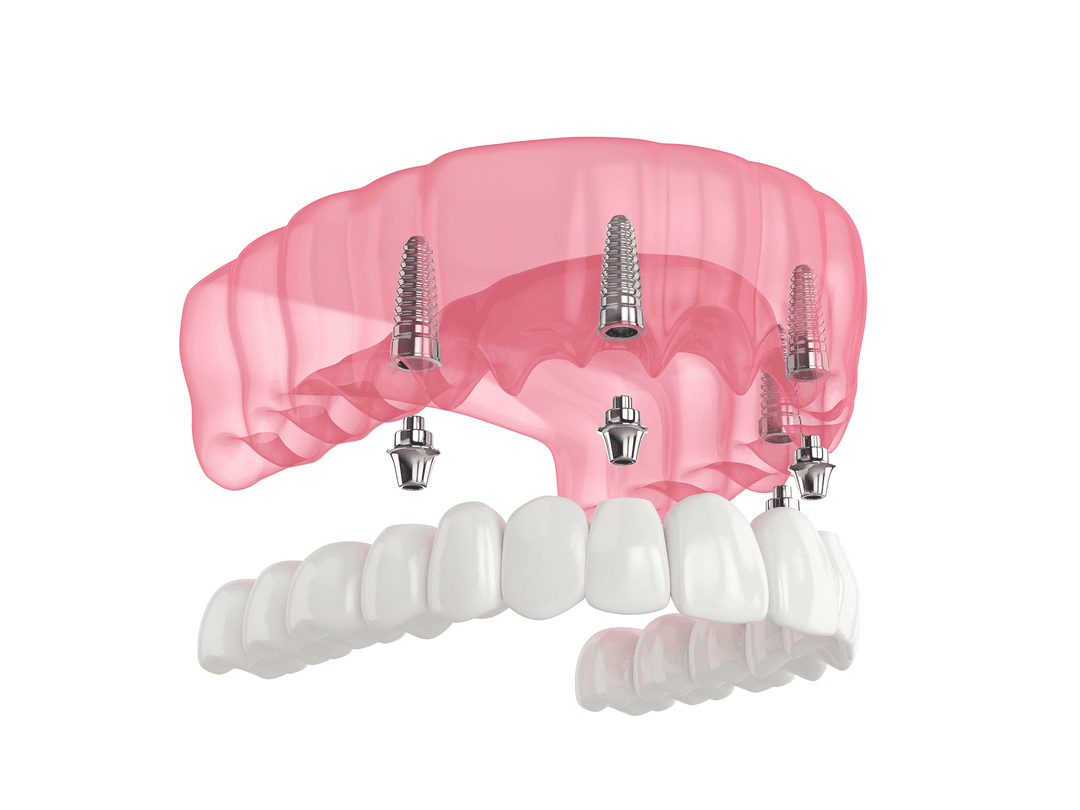
If you are missing a tooth, you have likely been offered two choices: a dental implant or a dental bridge. Both fill the gap and restore your smile, but they work in very different ways and the right answer depends on your situation, not just the sticker price.
Below we compare the two honestly on the things that actually matter: your other teeth, your jawbone, longevity, treatment time, and what each really costs over ten or twenty years.
If you want the full picture on the implant side first, our dental implants in Bangkok page walks through every implant option in detail.
How each one actually works
- A dental implant is a small titanium post placed into your jawbone where the root used to be. Over three to six months it fuses with the bone in a process called osseointegration, and once healed a custom crown is attached on top. The result stands alone and behaves like a natural tooth, with nothing connected to the teeth on either side.
- A dental bridge does not replace the root. The two healthy teeth on either side of the gap are filed down and capped with crowns, and a false tooth (the pontic) is suspended between them, cemented in as one piece. A single missing tooth therefore needs a three-unit bridge: two anchor crowns plus the replacement in the middle.
That one difference, root versus no root, drives almost everything else in this comparison.
You can read more about the bridge approach on our dental bridge in Bangkok page or in our guide to dental bridges in Thailand. If a bridge is the route you are leaning towards, our overview of the types of dental bridges covers which design suits your gap.
What it does to your neighbouring teeth
This is the point most patients underestimate:
- ❌ A bridge requires permanently reducing two adjacent teeth, even if they are perfectly healthy and have never had so much as a filling. Once enamel is removed it does not grow back, and those teeth will need crowns for the rest of your life. If a problem ever develops under one anchor tooth, the whole bridge usually has to come off.
- ✅ An implant leaves the surrounding teeth completely untouched. Nothing is ground down, nothing is splinted together, and you can still floss between every tooth normally.
For a patient with healthy neighbouring teeth, this alone is often the deciding factor.
Jawbone, longevity, and the long view
When a tooth root is missing, the jawbone underneath slowly resorbs because nothing is stimulating it anymore. An implant replaces that root and keeps the bone working, which preserves both your bite and the shape of your face over time.
A bridge sits above the gum and does nothing for the bone below, so the ridge under the pontic can continue to shrink.
Longevity follows the same pattern. With good care, an implant can last 20 years or more, and studies put long-term implant survival above 95%. A bridge is excellent but not permanent; most need replacing every 8 to 12 years, and each replacement means more work on the same anchor teeth.
Our guide to how long dental bridges last explains what shortens that span and how to stretch it.
| Factor | Dental implant | Dental bridge |
|---|---|---|
| Touches neighbouring teeth | No, stands alone | Yes, two teeth filed down |
| Preserves jawbone | Yes, replaces the root | No, bone can shrink under the gap |
| Typical lifespan | 20+ years, often for life | 8 to 12 years on average |
| Long-term success rate | 95%+ | High but lower over time |
| Treatment time | 3 to 6 months (healing) | About 2 weeks |
| Cleaning | Floss normally | Special floss under the pontic |
| Bangkok price (single tooth) | From $1,320 | From about $1,400 (3-unit) |
What about more than one missing tooth?
The comparison shifts when you are missing several teeth in a row:
- An implant per gap is the most protective option but also the most involved.
- An implant-supported bridge spans a longer gap using two implants as anchors instead of natural teeth, combining the stability of implants with the efficiency of a bridge.
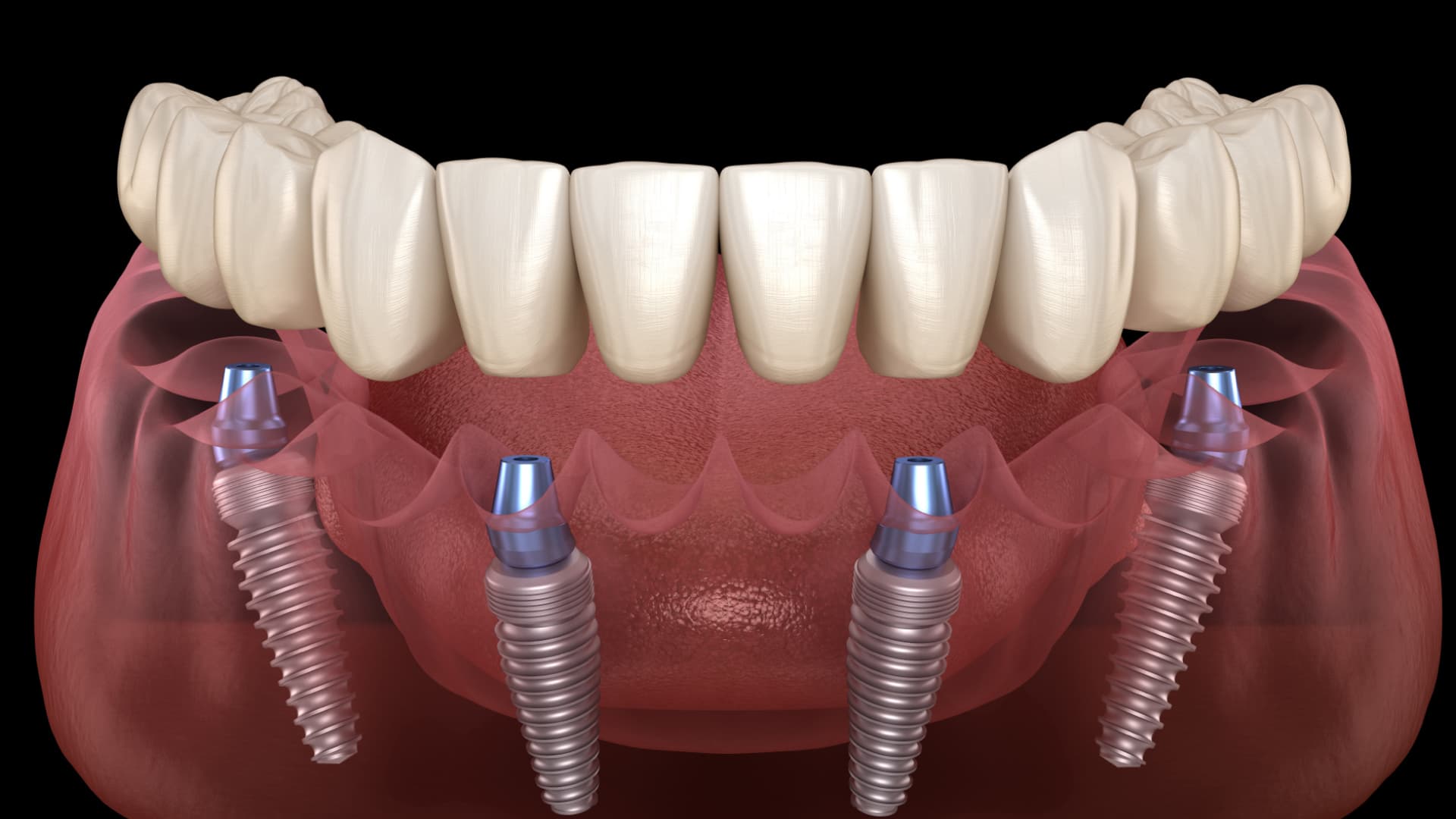
- An All-on-4 approach carries a full fixed arch on just four implants when most or all the teeth in an arch are missing, usually a far better long-term result than a removable plate.
The right design genuinely depends on how many teeth are missing and where, which is why a scan and an in-person plan matter so much here.
Does an implant hurt more than a bridge?
Most patients expect implant surgery to be the painful option and are surprised that it is not:
- Implant placement is done under local anaesthetic, the post goes into bone that has very few pain receptors, and the discomfort afterwards is usually mild and managed with ordinary painkillers for a day or two.
- Preparing teeth for a bridge is not painful either, though some people find the filed teeth a little sensitive for a while.
Neither treatment is something to fear, and your dentist will talk you through what to expect before anything starts. Our guide to dental implant recovery and aftercare walks through how the days after surgery actually feel.
Treatment time and number of visits
If speed is your priority, the bridge wins clearly:
- ✅ A bridge: usually two appointments over roughly two weeks, one to prepare the teeth and take impressions, one to fit the finished bridge. That timeline fits neatly into a single trip.
- ❌ An implant: the placement surgery is short, often an hour or two under local anaesthetic, but the bone then needs three to six months to heal around the post before the final crown goes on.
For international patients an implant normally means two visits to Bangkok, or one longer stay with a temporary tooth in between. Our guide to dental implants in Thailand explains how patients usually plan these trips.
The real cost over time, and the Bangkok angle
Upfront, a bridge is cheaper. Over a lifetime, the maths often flips.
Because a bridge is likely to be replaced two or three times where an implant may never need replacing, the implant frequently works out as the more economical choice in the long run, on top of protecting your other teeth and bone.
Bangkok changes the equation in a way Western patients rarely get to enjoy: both treatments cost a fraction of home prices, so you are not forced to pick the cheaper option just to afford treatment. If the lower price makes you wary, our honest answer to whether dental implants in Thailand are safe explains exactly what separates a quality clinic from a risky one.
| Option (single tooth) | Bangkok | Western range |
|---|---|---|
| Single dental implant + crown | From $1,320 | $3,000 to $6,000 |
| 3-unit dental bridge | From about $1,400 | $2,000 to $5,000 |
At those prices the gap between the two options narrows enough that many patients simply choose the implant for its longevity and bone benefits.

For a full breakdown of implant pricing by brand and case, see our dental implant cost in Thailand guide, and if you are weighing up the whole trip, our dental tourism in Thailand article covers logistics, timing, and what to expect.
So which should you choose?
As a general rule:
- ✅ Choose an implant for a single missing tooth when your neighbouring teeth are healthy, you have enough jawbone, and you want the longest-lasting result.
- ✅ Choose a bridge if the teeth beside the gap already need crowns anyway, if you cannot have surgery, or if you genuinely need the work finished in one short visit.
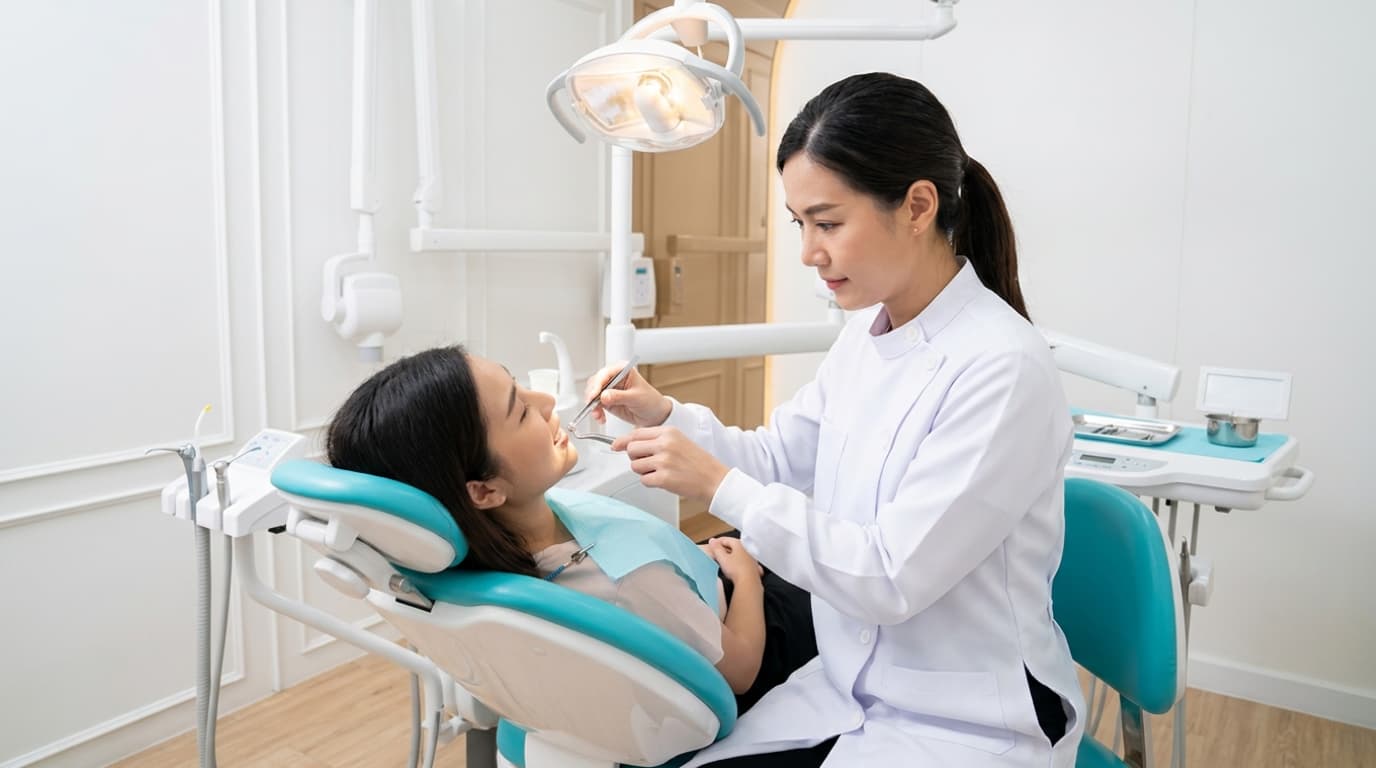
In practice the decision should be made after an examination. We take a 3D CT scan, check bone quality and the condition of the surrounding teeth, and then give you an honest recommendation rather than pushing one treatment.
Implants are placed by our specialists, crowns and bridges are crafted in our on-site lab, and both come with a written one-year warranty against fractures.
Conclusion
For one missing tooth with healthy neighbours, the implant is usually the better long-term buy: it spares the teeth next door, keeps the jawbone alive, and can outlast two or three bridges. The bridge keeps its place when the neighbours need crowns anyway, when surgery is off the table, or when one short trip is all you have.
At Bangkok prices, the cost gap between the two nearly disappears, so you can choose on what is best for your mouth rather than your wallet.
The best way to know which suits your case is a proper assessment. Explore the full range on our dental implants in Bangkok page, then send us a few photos and we will review your case and give you a clear, no-pressure plan.
Was this article helpful?