 Written by Dr. Nan
If you are weighing up a dental bridge, the first question is usually the most practical one: how many years will it actually give you before it needs redoing? That matters even more when you are travelling for treatment, because you want a restoration that lasts long after you have flown home.
That is the short version. Below we break down realistic lifespans by bridge type, the real reasons bridges fail, exactly how to make yours last, and what the warranty means if you have your treatment abroad. For the full treatment overview, types and pricing, see our dental bridge in Bangkok page.
How long does a dental bridge really last?
Most honest answers land between 10 and 15 years for a standard bridge, and plenty of patients keep theirs well beyond that.
The wide "5 to 15 years" range you see quoted online mixes together very different situations: a back-tooth bridge under heavy chewing load is not the same as a front bridge, and a bridge in a mouth with poor hygiene will never match one that is cleaned properly every day.
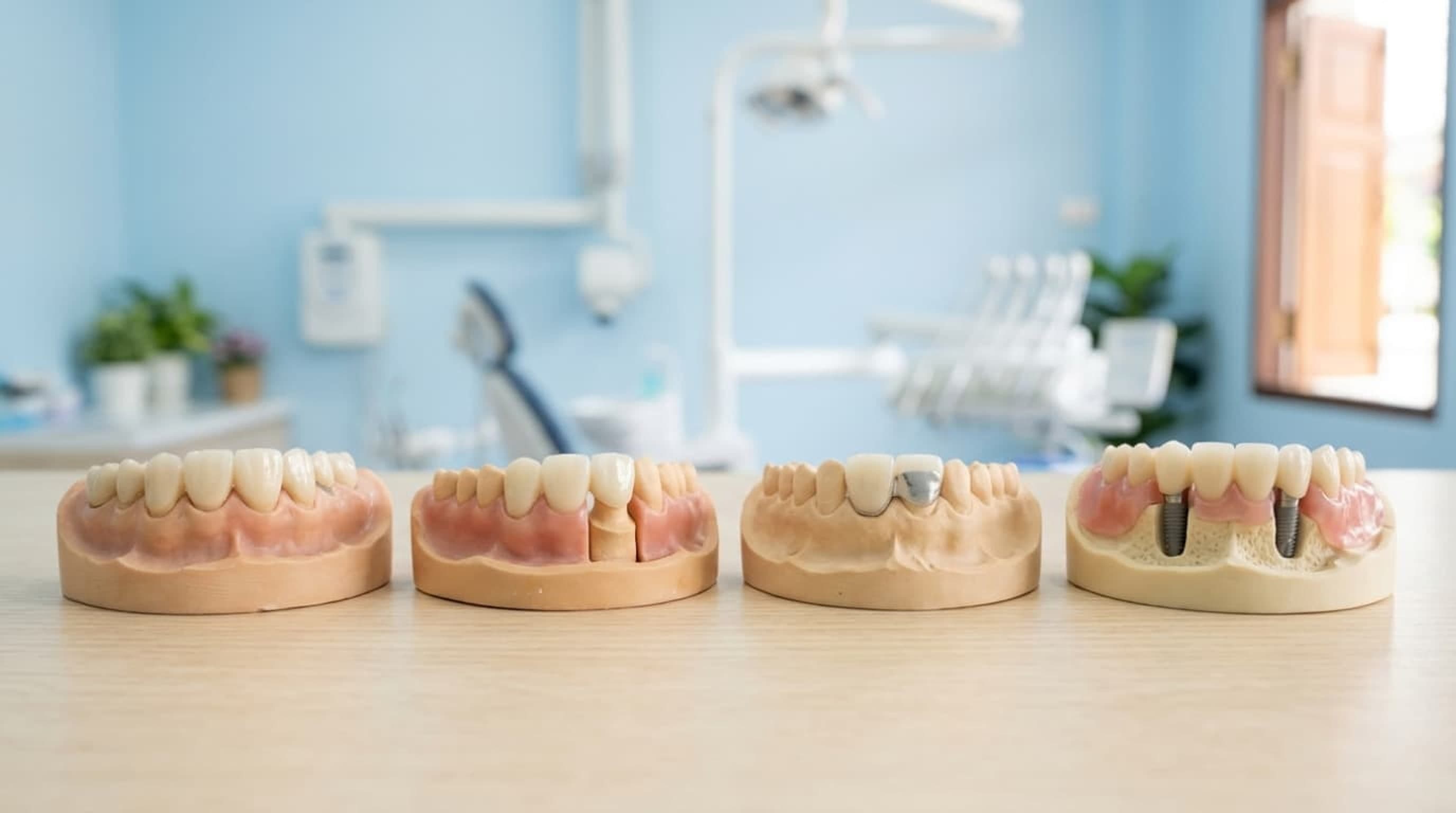
The bridge type also changes the picture. Here is a realistic guide.
| Bridge type | Typical lifespan | Notes |
|---|---|---|
| Traditional bridge (on natural teeth) | 10 to 15 years | The workhorse option. Lifespan depends mostly on keeping the anchor teeth healthy. |
| Cantilever bridge | 8 to 12 years | Anchored on one side only, so the support tooth takes more strain. |
| Maryland (resin-bonded) bridge | 5 to 10 years | Minimal preparation, but the bonded wings can debond, so best for light-load front teeth. |
| Implant-supported bridge | 15 to 25 years or more | No reliance on natural teeth, so it sidesteps the most common failure cause. |
The single biggest variable is not the material. It is whether the teeth holding the bridge stay healthy. That is why two people with identical bridges can have completely different outcomes a decade later. If you are still choosing a design, our guide to the types of dental bridges explains how traditional, cantilever, Maryland and implant-supported options differ.
Why lifespan varies so much between types
The numbers above are not arbitrary. Each design carries the chewing load in a different way, and that is what decides how many years it gives you:
- Traditional bridge. Spreads the bite across two anchor teeth, one on each side of the gap. That balanced support makes it the most predictable option long term and suits back teeth under heavy force. Its weak point is purely biological: both anchor teeth have to stay free of decay, so its fate is tied to your daily cleaning.
- Cantilever bridge. Anchored on one side only, so that single support tooth absorbs a twisting force with every bite and tends to loosen earlier. Best for a low-load front tooth where chewing pressure is gentle.
- Maryland bridge. Bonds to the back of your natural teeth with thin wings instead of full crowns, which is kind to tooth structure. The bond is the limiting factor: the wings can debond under firm chewing, which is why it lands in the 5 to 10 year range on light-load front teeth.
- Implant-supported bridge. Removes natural teeth from the equation entirely. The bite goes straight into titanium posts fused to the jawbone, so the most common failure cause, decay on anchor teeth, simply cannot happen. It routinely outlasts every other design.
Why do dental bridges fail?
A bridge rarely "wears out" on its own. It usually fails because something around it changes. These are the real causes, roughly in order of how often they happen:
- Decay on the anchor teeth. The crowns cannot decay, but the tooth underneath each one can, right at the margin where the crown meets the gum. If plaque sits there, a cavity forms out of sight and slowly undermines the whole bridge. This is the leading reason bridges need replacing.
- Plaque trapped under the pontic. The pontic is the false tooth that bridges the gap. It rests just above the gum, and that junction is the hardest spot in your mouth to clean. Ordinary brushing and flossing miss it, plaque builds up, and it irritates the gum and feeds decay on the neighbouring teeth.
- Gum disease. If the gums and bone supporting the anchor teeth become inflamed and recede, those teeth loosen, and the bridge loosens with them.
- Bite stress and grinding. Clenching or grinding at night, or a bite that was never balanced correctly, loads the bridge far beyond normal chewing. Over years this can crack the material, loosen the cement, or fatigue the anchor teeth.
- A poor original fit. An open margin lets bacteria in, an uneven bite concentrates force, and an overhang traps food. This is where the skill of the dentist and the quality of the dental lab genuinely matter.
That last cause is a reason to be careful about where you have treatment done. Our guide to dental bridges in Thailand covers what to check before you book.
Early warning signs your bridge is failing
A bridge rarely fails overnight. It usually gives you weeks or months of small signals first, and catching them early is often the difference between a quick repair and a full replacement. See your dentist if you notice any of these.
- A change in how it feels when you bite. If the bridge suddenly feels high, loose, or like it moves a fraction when you chew, the cement may be breaking down or an anchor tooth may be shifting.
- Sensitivity or a dull ache in an anchor tooth. New sensitivity to hot, cold, or sweet things around a supported tooth can be the first sign of decay creeping in at the crown margin, hidden out of view.
- Sore, puffy, or bleeding gums around the bridge. Inflammation at the gumline usually means plaque is trapped where you are not reaching, often under the pontic.
- A bad taste or persistent bad breath that focuses on one spot. This can point to food and bacteria collecting under a margin or pontic that no longer seals cleanly.
- A visible dark line or a small gap at the edge of a crown. An opening at the margin lets bacteria reach the tooth underneath.
- Food consistently packing into the same place. If you find yourself picking at one spot after every meal, the fit has likely changed.
None of these mean the bridge is beyond saving. They mean it is time for an assessment before a fixable problem turns into a lost tooth.

How to make your bridge last longer
The good news is that the main failure causes are largely in your control. A few specific habits make the difference between a bridge that lasts 8 years and one that lasts 15-plus.
- Clean under the pontic every day. A floss threader or a small interdental brush slides under the false tooth where normal floss cannot reach. This one habit protects against the two biggest failure causes at once.
- Brush twice a day with a soft brush, paying attention to the gumline around every part of the bridge.
- Keep your regular check-ups and cleans, ideally every six months. A dentist spots decay at the crown margins long before you would feel anything.
- Wear a night guard if you grind your teeth. It absorbs the forces that would otherwise crack the bridge or stress the anchor teeth.
- Go easy on very hard foods like ice and hard sweets, and cut tough items into smaller pieces.
None of this is complicated, but consistency is what separates a bridge that quietly outlives its estimate from one that fails early.
A daily routine that protects the pontic
The single most useful habit is cleaning under the false tooth, so it is worth knowing exactly how. A bridge sits as one solid piece, which means ordinary floss cannot drop between the teeth the way it does with natural ones. You have to thread it underneath instead. A simple routine looks like this.
- Brush first, twice a day, with a soft brush angled into the gumline around every crown and the pontic. Two minutes, gentle pressure, no scrubbing.
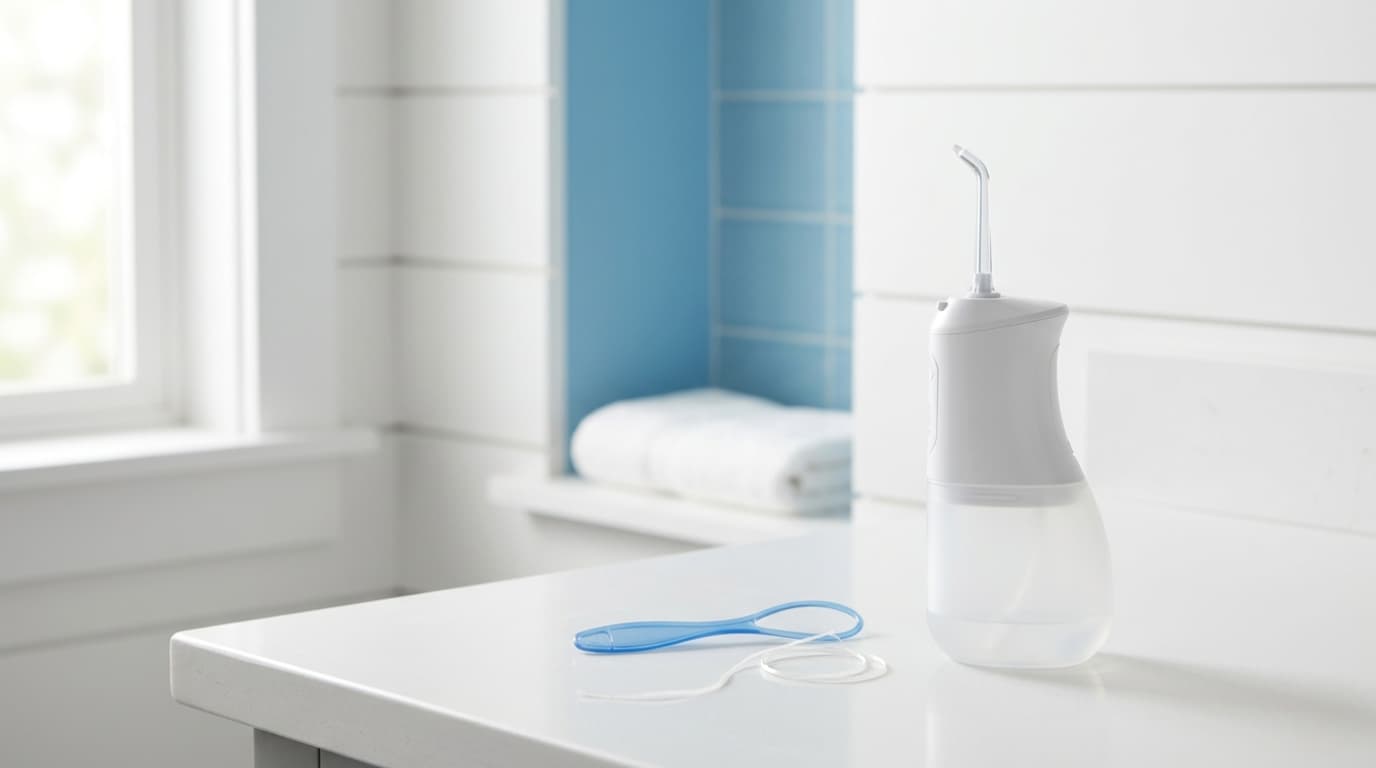
- Thread floss under the pontic once a day. Use a floss threader, a stiff plastic loop, to pull floss into the gap, then slide it back and forth along the underside of the false tooth and against each neighbouring tooth. Superfloss, which has a stiff tip and a spongy middle section, does the same job without a separate threader.
- Or use a water flosser if threading feels fiddly. A steady stream aimed under the pontic and along the gumline flushes out plaque and trapped food, and many patients find they actually stick with it.
- Run a small interdental brush along the edges where the bridge meets the gum a few times a week to clear anything brushing leaves behind.
Aim to spend a few extra seconds on the bridge area every single day. That underside is the one spot in your mouth a normal brush and floss will always miss, and it is precisely where the decay and gum trouble that end a bridge get started.
Will a bridge or an implant last longer?
For sheer longevity, an implant-supported restoration usually wins, because it does not depend on natural teeth that can decay. An implant also preserves the jawbone in the gap, which a bridge does not. The trade-offs are cost, surgery and a longer timeline of several months for the bone to heal.
A bridge, by contrast, is fixed in around 7 to 10 days, needs no surgery, and costs considerably less up front. For many people replacing a single tooth between two teeth that already need crowns, a bridge is the sensible choice.
If you are genuinely torn between the two, our bridge versus implant comparison walks through cost, timeline and durability side by side so you can match the option to your situation.
| Factor | Dental bridge | Dental implant |
|---|---|---|
| Typical lifespan | 10 to 15 years | 15 to 25+ years |
| Surgery | No | Yes |
| Treatment time | 7 to 10 days | 3 to 6 months |
| Preserves jawbone | No | Yes |
| Cost in Bangkok | From ฿16,000 per unit | From ฿45,000 |
What does the warranty mean if you treat abroad?
A fair concern for anyone flying in for treatment is what happens if something goes wrong once you are home. This is exactly why a written warranty matters more for travelling patients than for someone who lives down the road from their dentist.
What that protection actually looks like:
- A one-year written warranty against fractures, with free replacement except in cases of improper use. It covers the early period when a manufacturing or fit problem would normally show itself.
- Fixed pricing in writing after your assessment, so there are no surprises.
- Beyond the warranty period, the longevity of your bridge comes down to the daily care described above, which is true whether your dentist is in Bangkok or your home city.
A standard bridge replacing one missing tooth uses three units, two crowns on the anchor teeth plus one pontic. Our full guide to dental bridge cost in Thailand breaks down the per-unit maths by material and span.
| Bridge type | Price per unit | 3-unit bridge |
|---|---|---|
| E-Max bridge | ฿16,000 | ฿48,000 |
| Zirconia bridge | ฿17,500 | ฿52,500 |
If you are still in the research stage and want to understand how a treatment trip actually works, from planning the days to combining your dental work with the visit, our guide to dental tourism in Thailand is a good place to start.
Repair or replace: which makes sense when a bridge fails?
When a bridge runs into trouble, the first question is whether it can be saved or whether it has to come off and be remade. The answer depends almost entirely on what failed:
- ✅ A repair is often possible when the bridge itself is sound and the problem is small. A loosened but undamaged bridge can sometimes be cleaned and re-cemented, a minor porcelain chip polished or patched, and a debonded Maryland wing re-bonded if the underlying tooth is healthy. Quick, low cost, and sensible when the foundations are still good.
- ❌ A full replacement becomes the sensible route once the damage reaches the anchor teeth or the framework: decay under a crown, a fractured framework, an anchor tooth loosened by gum disease, or a bridge that no longer fits because the gum and bone have changed shape underneath. The old bridge is removed, the underlying teeth are treated, and a new bridge is made.
A useful rule of thumb: if the bridge has failed but the supporting teeth are healthy, lean toward repair. If a supporting tooth is the problem, plan for replacement, and ask whether an implant might now be the better long-term foundation than crowning the same tooth again. Our bridge versus implant comparison is worth a read at that decision point.
What does a replacement cost?
Replacing a failed bridge costs much the same as the original, because it is essentially the same work done again: the old bridge is removed, the teeth are reassessed and prepared, new impressions are taken, and a fresh bridge is made and fitted. At our Bangkok clinic that means a three-unit bridge runs to ฿48,000 in E-max or ฿52,500 in zirconia, all in.
Two things can add to that figure:
- An anchor tooth decayed beyond saving may need extraction and a different plan, such as an implant, which changes the costing entirely.
- A tooth that is decayed but still restorable may need a filling or build-up before the new bridge goes on.
Your dentist gives you the full picture, and a fixed written quote, after assessing what is actually going on under the old bridge. For the per-unit maths by material and span, see our dental bridge cost in Thailand guide.
Conclusion
A dental bridge is a reliable, fixed way to replace a missing tooth, and a well-made one should comfortably give you 10 to 15 years, often more. Lifespan is decided far less by the material than by whether the supporting teeth stay healthy, which is why cleaning under the pontic, controlling grinding and keeping your check-ups matter so much.
Choosing an experienced dentist and a quality lab gives you the best possible starting point. Explore our full dental bridge treatment in Bangkok if you want the treatment detail first.
If you want to know whether a bridge is right for your case and how long yours could realistically last, send us a few photos and we will come back with a personalised assessment and a fixed written quote.
Frequently Asked Questions
How do I know if my bridge needs replacing or just re-cementing?
You usually cannot tell on your own, because the deciding factor is whether the anchor teeth underneath are still healthy, and that is hidden from view. If the bridge feels loose but you have no pain or sensitivity, it may simply need re-cementing. If there is sensitivity, a bad taste, or sore gums around it, decay or gum trouble is more likely, and that often means replacement. An X-ray settles it quickly.
Can a dental bridge last 20 years or more?
A traditional bridge can, though it is not the norm. The realistic expectation is 10 to 15 years, and the ones that pass 20 almost always belong to people who clean meticulously under the pontic and keep up regular check-ups. An implant-supported bridge reaches that range far more often, because it does not rely on natural teeth that can decay.
Does the bridge material change how long it lasts?
Less than most people expect. Zirconia is harder and more fracture-resistant than E-max, so it is the usual choice for back teeth under heavy load, while E-max is prized for its natural translucency on front teeth. Both are durable enough that, in practice, your daily cleaning and the health of the anchor teeth decide the lifespan far more than the choice between them.
Is it safe to get a bridge done in Thailand if I live abroad?
Yes, when you choose an experienced dentist and a quality lab. The materials and techniques are the same ones used worldwide, the work is completed in about 7 to 10 days, and a written warranty covers the early period when any fit or manufacturing fault would show. The longevity after that comes down to your daily care, which is true wherever you have it done. Our guide to dental tourism in Thailand explains how to plan the trip.
What happens if my bridge breaks after I have flown home?
Our bridges carry a one-year warranty against fractures with free replacement, except where the damage is caused by improper use. For a minor issue a local dentist can often re-cement or patch the bridge in a single visit. For anything covered by the warranty, get in touch and we will arrange the replacement. Keeping your written quote and treatment records makes this straightforward.
Was this article helpful?