 Written by Dr. Nan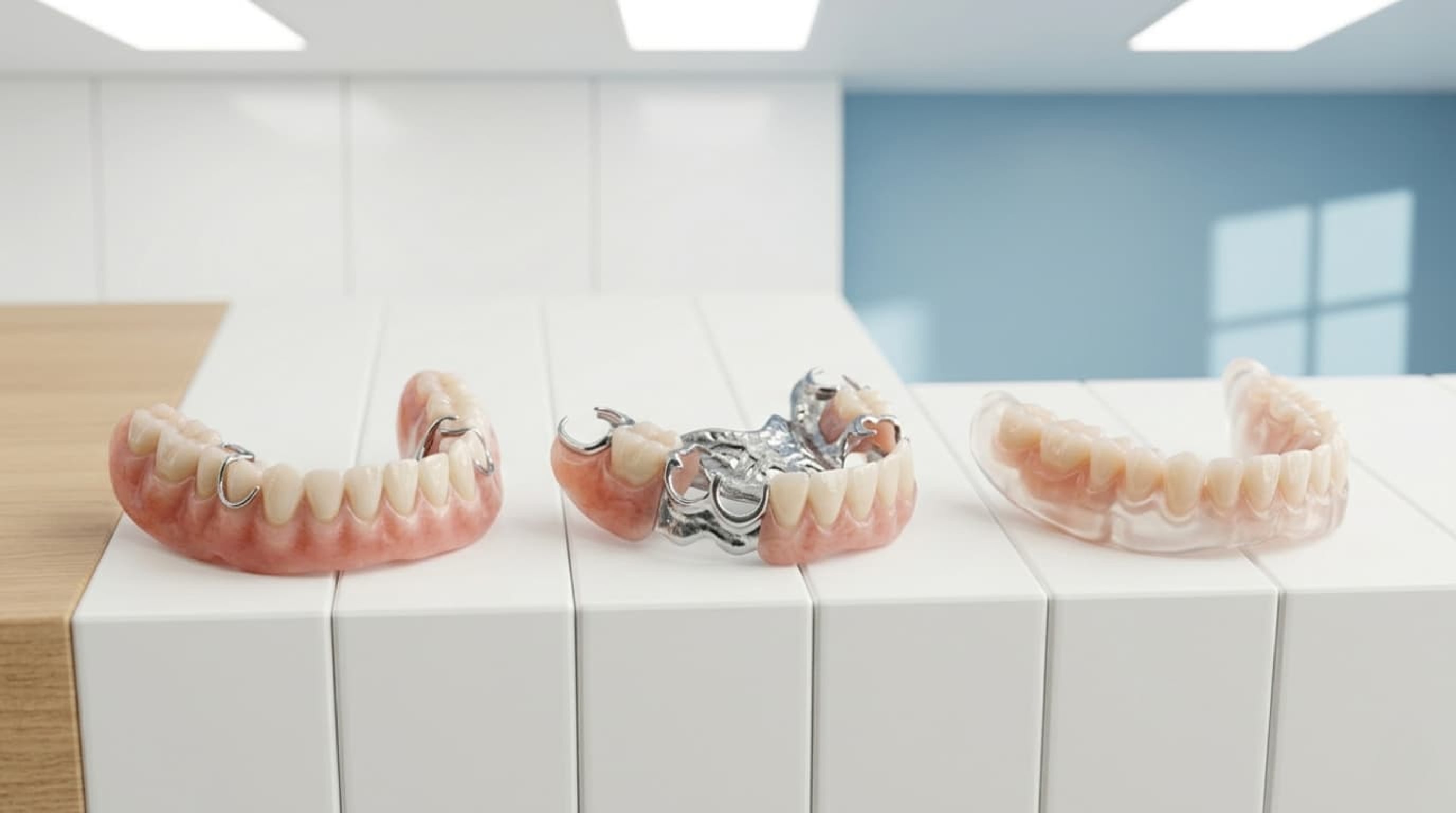
If an implant is too expensive or too much, you still have good options
An implant is the only tooth replacement that puts a titanium root back in your jaw, and for many people it is worth it. But it is also:
- the most expensive option per tooth
- the most invasive, because it is surgery
- the slowest, needing 3 to 6 months of healing and two trips
If that is out of reach financially, or you simply do not want oral surgery, you are not stuck with a bad tooth or a permanent gap. You have a whole ladder of alternatives, and most of them are far cheaper.
The problem is that almost every page you find online lists the same four options with no real prices, then quietly points you at financing, a dental school, or a charity clinic. That is not an answer to affordability. Below are the actual numbers, and the honest catch attached to each one.
The affordability ladder: alternatives ranked from cheapest to most durable
Here is the full ladder with real prices. If you want a neutral overview first, you can also compare every tooth replacement option side by side.
| Option | Price | Type | Surgery? | Stops bone loss? |
|---|---|---|---|---|
| Acrylic partial denture | ~3,000 THB (~$90) | Removable | No | No |
| Flexible denture | Higher than acrylic partial | Removable | No | No |
| Metal (cast) partial denture | ~8,000 THB (~$240) | Removable | No | No |
| Complete denture (per arch) | ~15,000 THB (~$455) | Removable | No | No |
| Maryland (bonded) bridge | Around bridge pricing | Fixed | No | No |
| Traditional 3-unit bridge | ~52,500 THB (~$1,590) | Fixed | No | No |
| Mini / snap-on denture | Between denture and full implants | Removable, anchored | Minor | Partly |
| Full dental implant (for comparison) | From 45,000 THB (~$1,320) | Fixed | Yes | Yes |
Notice the shape of it. Only the implant and the mini-implant options preserve bone. Everything cheaper sits on top of the gum or leans on neighbouring teeth. That is the trade-off you are really weighing.

Removable partial denture: the cheapest way to fill a gap
If price is the whole problem, this is your floor:
- Acrylic partial denture, from
3,000 THB ($90). A plate that clips onto your remaining teeth and carries one or more false teeth. - Metal-framed cast partial,
8,000 THB ($240). Thinner, stronger and more stable than acrylic.
Both are removable, both are made in 2 to 4 weeks, and neither touches the healthy teeth beside the gap.
The catch: they move a little when you chew, they need cleaning out at night, and the cheaper acrylic version can feel bulky against the palate.
For a single missing tooth while you save for something permanent, a partial is a completely legitimate stopgap. Read full vs partial dentures if you are unsure which applies to you.
Flexible denture: more comfortable, still removable, still doesn't stop bone loss
A flexible (thermoplastic) denture is the comfort upgrade over a rigid acrylic partial. Instead of a hard plate with metal clasps, it uses a gum-coloured flexible resin that hugs your ridge:
- ✅ No metal showing, and less of that hard-plastic feel. Many people find them easier to wear day to day.
- ❌ Still removable, still resting on the gum, and like every denture it does nothing to stop the bone under the gap from shrinking over time.
Be clear on what you are buying: it is more comfortable, not more capable. Flexible dentures explained covers who they suit best.
Complete denture: replacing a full arch on a budget
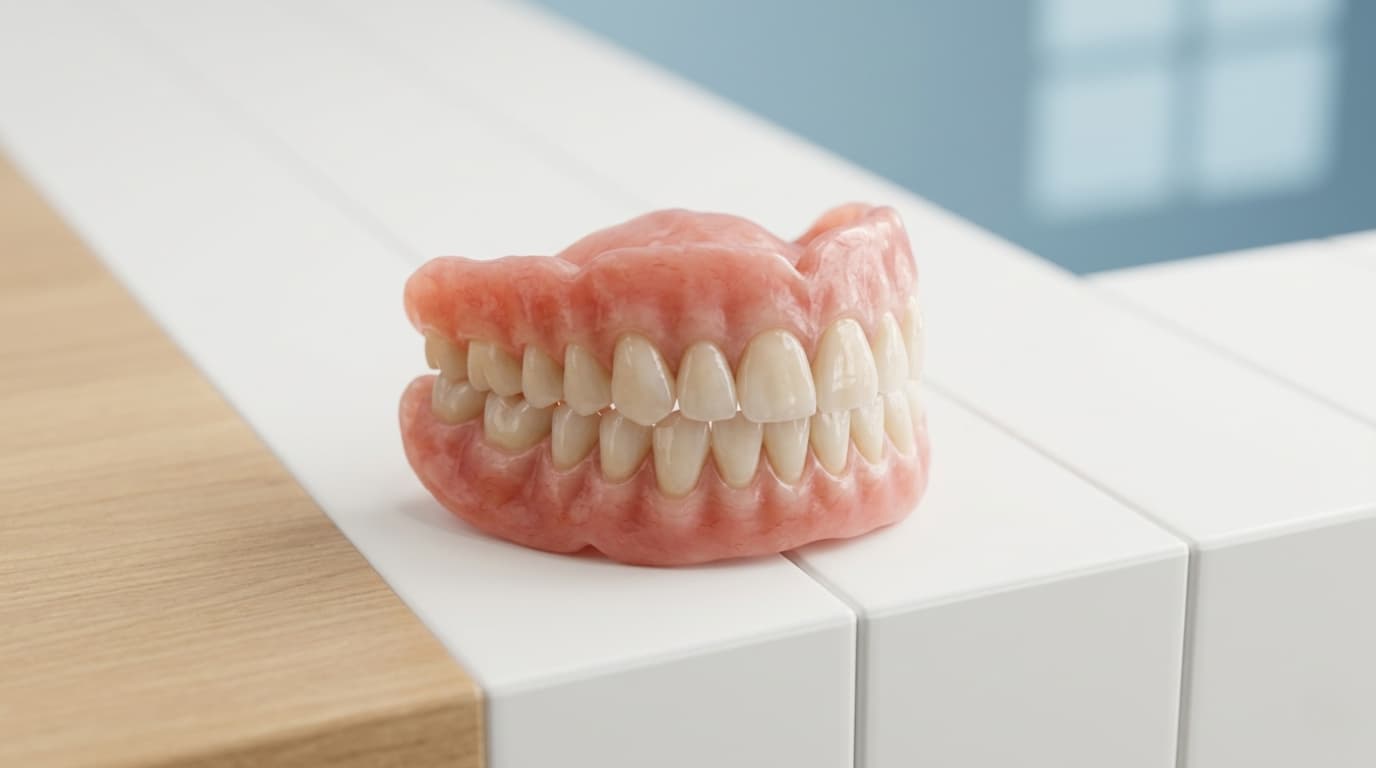
If you are missing all the teeth in an arch, a complete denture is the budget route back to a full smile:
- About 15,000 THB (~$455) per arch, a fraction of what an implant-supported arch costs.
- Made in 2 to 4 weeks, with no surgery.
The honest downsides are real. A full upper or lower plate relies on suction and your gums for grip, so chewing hard foods is harder.
And because there are no roots left, the jaw continues to resorb, which is why full dentures often need a reline (around 2,000 THB) as the fit loosens over the years. For a fuller picture see dentures in Thailand.
Maryland (resin-bonded) bridge: a conservative fixed option that spares the neighbouring teeth
Here is where you cross from removable to fixed without any drilling of healthy teeth. A Maryland bridge, also called a resin-bonded bridge, is a false tooth held by thin wings that are bonded to the back of the two teeth on either side:
- ✅ Nothing gets ground down. Nothing comes out at night.
- ✅ The most conservative fixed option there is, excellent for a single front tooth where chewing forces are lighter.
- ❌ The trade-off is grip: because it is only glued on, it can debond, and it is not ideal for molars that take heavy loads.
Types of dental bridges explained shows where it fits among the rest.
Traditional 3-unit dental bridge: fixed, no surgery, done in 7-10 days
This is, for most single-tooth cases, the sweet spot between a denture and an implant. A traditional 3-unit bridge caps the two teeth beside the gap and suspends a solid false tooth between them.
It is cemented in permanently, so it does not move when you eat or speak, and it needs no surgery and no healing period. A 3-unit zirconia bridge runs about 52,500 THB (~$1,590), is made in 7 to 10 days, and at our clinic comes with a 1-year written warranty.
The honest cost is structural: to anchor it, the dentist has to shave down the two neighbouring teeth into crowns, even if those teeth were perfectly healthy.
That is the real price of a traditional bridge, and it is why the head-to-head matters. See implant vs bridge, compared head to head and what a bridge actually costs in Thailand.
Mini implants and snap-on dentures: the middle ground
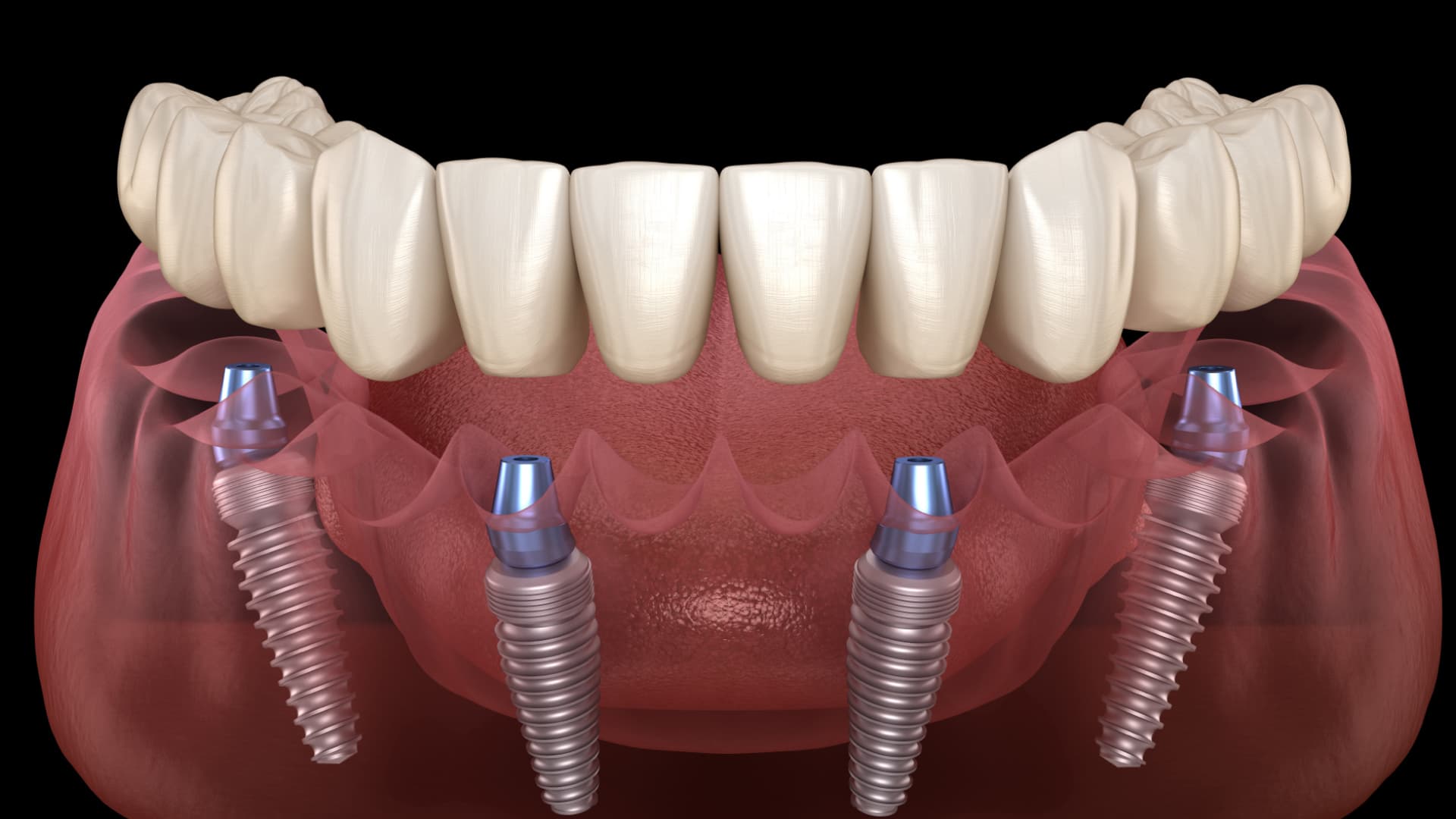
If you want more stability than a plain denture but less cost and surgery than full implants, mini implants sit in between. A few narrow posts are placed in the jaw, and your denture snaps onto them.
What that buys you:
- Grip. The denture stops sliding and holds much better when you chew.
- Less invasive placement than standard implants, because the posts are small.
- Partial bone preservation where the posts sit.
- A cost that lands between a denture and a full implant set.
It is a genuinely good option for a lower complete denture that will not stay put. For the full breakdown, see our guide to implant-supported dentures in Thailand.
The honest trade-offs: what each alternative costs you beyond the price tag
Money is only one axis. Every option asks for something back:
- Dentures: cheapest, but they move, need nightly cleaning, and do not stop bone loss
- Traditional bridge: fixed and fast, but it sacrifices two healthy teeth
- Maryland bridge: spares those teeth, but can come loose
- Mini implants: add stability, but still involve minor surgery
There is no free option. The right choice is the one whose downside you can live with.
What actually happens to your jawbone if you skip the implant
This is the part the price tables hide. When a tooth root is gone, the bone that held it slowly resorbs, because nothing is stimulating it anymore:
- Only an implant (or, to a lesser degree, a mini implant) puts a root back to keep that bone active.
- Bridges and dentures sit on top, so the ridge underneath keeps shrinking.
That is not a reason to avoid the alternatives. It is a reason to know that a denture reline every few years is normal, and that the sooner you replace a tooth, the more bone you keep either way.
The biggest lever nobody talks about: where you have the work done
Every US page that lists these options runs into the same wall: in the US, even the "cheap" alternatives are expensive, which is why they end up pointing you at CareCredit, a dental school, or a charity clinic.
But the price of a bridge or denture is mostly two things:
- lab work
- chair time
Both cost a fraction as much abroad. That is the lever. Not which option, but where.
How a bridge in Bangkok can cost less than a denture back home
Sit with the numbers. A fixed 3-unit zirconia bridge here is about $1,590, and that price includes:
- an on-site dental lab
- a board-certified prosthodontist
- a 7 to 10 day turnaround
- a 1-year written warranty
In many high-cost countries, a removable partial denture alone can cost more than that, and a bridge far more. So the searcher who "can't afford a bridge" locally may be able to afford a fixed, permanent bridge in Bangkok, and still come out ahead after flights.
That is why a dental bridge in Bangkok belongs on the same affordability ladder as a denture at home.
So which alternative is the cheapest that's actually worth it?
If you need the rock-bottom price today, a partial denture at ~$90 does the job. But if you want the cheapest option that is genuinely worth having, it is a fixed bridge done abroad:
- ✅ It does not move and does not come out at night.
- ✅ It is done in about a week.
- ✅ Priced overseas, it can undercut a removable denture at home while lasting longer.
If preserving bone is your priority and you can stretch a little, compare it against how much implants really cost before you decide.
Conclusion
You are not stuck choosing between an implant you cannot afford and a permanent gap. The ladder runs from a ~$90 partial denture to a fixed bridge, and every rung is a legitimate answer as long as you know what it trades away.
If you take one thing from this page, make it this: the biggest saving is not picking a cheaper option, it is having the option you actually want done where it costs less. A fixed bridge in Bangkok, with a written warranty, can undercut a removable denture at home.
You do not need to book a flight to find out what you would pay. Send us a few photos of the gap, tell us your budget, and our prosthodontist Dr. Nan replies within 24 hours with the options that fit your case, a realistic price for each, and whether a fixed bridge here would beat the quote you got at home.
Frequently Asked Questions
What is the cheapest way to replace a missing tooth?
An acrylic removable partial denture, from around 3,000 THB (~$90). It clips onto your existing teeth, needs no surgery, and is made in 2 to 4 weeks. It moves a little when you chew and comes out at night, but it is the lowest-cost way to fill a gap.
What can I do if I can't afford dental implants?
You have a full ladder of cheaper options: partial or flexible dentures, a complete denture, a Maryland bonded bridge, or a traditional fixed bridge. The other lever is location. Having a fixed bridge done abroad with a warranty can cost less than a denture at home.
Is a dental bridge cheaper than an implant?
Not always at our clinic. A 3-unit bridge is about $1,590, which can actually run more than a single implant from about $1,320. Where a bridge wins is speed and no surgery: it is done in 7 to 10 days rather than the months an implant needs. The catch is it grinds down the two neighbouring teeth.
Are dentures a good alternative to implants?
For budget and speed, yes. Dentures are the cheapest option and need no surgery. The trade-offs are that they are removable, less stable when chewing, and do not stop the jawbone from shrinking over time.
What is the cheapest alternative to dentures?
Dentures are already the cheapest tooth replacement, starting at ~$90 for an acrylic partial. If you want something fixed instead of removable and can spend more, a Maryland bonded bridge is the next step up.
Can you replace missing teeth without implants?
Yes, completely. Bridges (traditional or Maryland) and dentures (partial, flexible, or complete) all replace teeth with no implant and no surgery. Only implants put a root back in the bone, but they are not the only way to restore your smile and chewing.
What is a Maryland (resin-bonded) bridge?
A false tooth held by thin wings bonded to the backs of the two adjacent teeth. Nothing gets drilled down, which makes it the most conservative fixed option. It is best for a single front tooth and can debond under heavy chewing.
Do dental bridges damage the healthy teeth next to the gap?
A traditional bridge does, because those two teeth must be shaved into crowns to anchor it. A Maryland bridge does not, since it only bonds to the surface. That difference is the main reason to weigh a bridge against an implant.
How long do bridges and dentures last compared to implants?
An implant can last decades because it is anchored in bone. A well-made bridge lasts many years but eventually needs replacing. Dentures need periodic relines as the ridge shrinks. Our bridges come with a 1-year written warranty.
What happens to my jawbone if I don't get an implant?
The bone under the missing tooth slowly resorbs because there is no root to stimulate it. Bridges and dentures sit on top and do not prevent this, which is normal and manageable. Mini implants slow it partially.
Is it cheaper to get tooth replacement done abroad?
Often significantly. The cost of a bridge or denture is mostly lab work and chair time, both far cheaper in Bangkok. A fixed bridge here can undercut a removable denture in high-cost countries, even after travel, and still come with a written warranty.
Was this article helpful?